Diplomatic negotiations between the United States and Iran remained ongoing in Switzerland on Sunday, despite reports from Iranian media claiming Tehran had suspended participation following fresh military threats from U.S. President Donald Trump.
According to sources familiar with the discussions, negotiators from both countries continued meeting behind closed doors, contradicting reports from two semi-official Iranian news outlets that suggested Iran’s delegation had left the venue. The conflicting narratives highlight the fragile state of U.S.-Iran relations as both sides attempt to prevent a broader regional conflict.
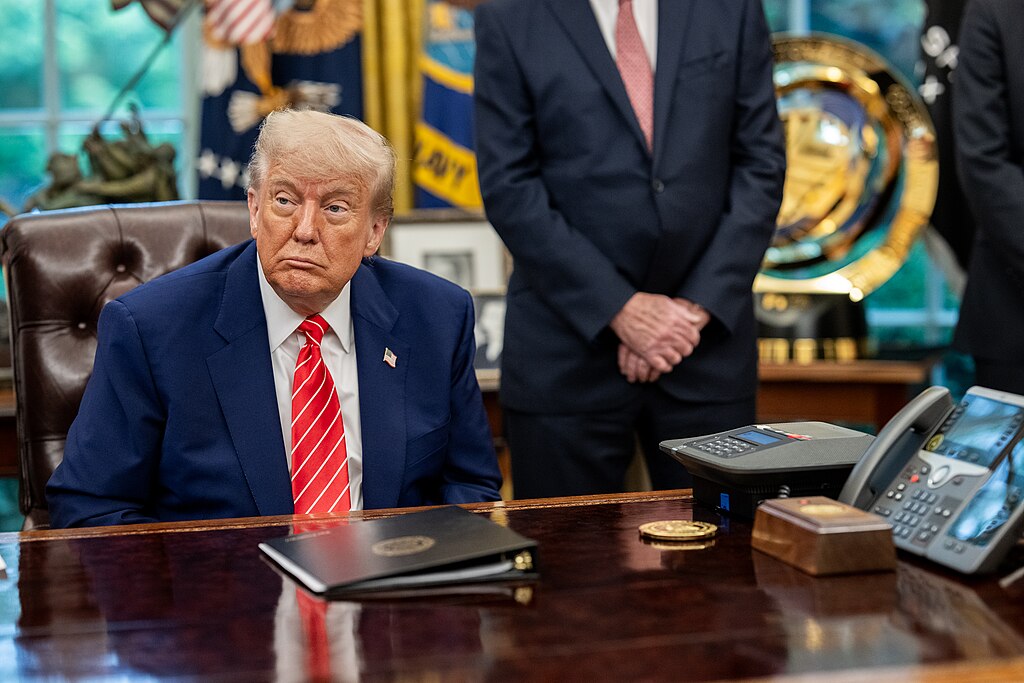
The latest tension emerged after Trump warned Iran to rein in Hezbollah activities in Lebanon. In a Truth Social post, the U.S. president stated that Iran must stop supporting its proxies in Lebanon and warned that Washington could launch additional strikes if the situation escalates.
Despite the rhetoric, diplomatic efforts are moving forward. U.S. Vice President JD Vance traveled to Switzerland for the talks, emphasizing that the primary objective is to establish a framework for future negotiations. Vance expressed optimism about progress on Iran’s nuclear program and efforts to maintain stability in Lebanon through a potential ceasefire arrangement.
Adding further significance to the discussions, Pakistan Prime Minister Shehbaz Sharif and Army Chief Asim Munir are expected to participate as mediators. Iran’s delegation reportedly includes Parliament Speaker Mohammad Bagher Ghalibaf, Foreign Minister Abbas Araghchi, and Central Bank Governor Abdolnaser Hemmati.
Meanwhile, concerns over the Strait of Hormuz continue to weigh on global energy markets. Iran recently renewed directives restricting passage through the strategic waterway, raising fears of disruptions to international oil shipments. The Strait of Hormuz is a critical energy corridor responsible for transporting nearly 20% of global oil and gas supplies.
While U.S. officials report that commercial shipping traffic remains active, uncertainty surrounding maritime security and regional stability continues to influence global oil prices. The Switzerland negotiations are expected to focus on Iran’s nuclear activities, implementation of existing ceasefire agreements, maritime security, and broader Middle East stability.