


 Trump Secures Russian Diesel Deal as US Fuel Prices Surge
  Trump Announces Russia-Ukraine Energy Ceasefire as Zelenskiy Awaits Details
  Zelenskiy Slams US-Russia Diesel Deal as Funding War
  Trump Announces Russia-Ukraine Energy Ceasefire Amid U.S. Pressure on Kyiv
  US Charges Maduro and Wife With Torture Conspiracy
  Zelenskiy Slams US Over Deadly Russian Strikes on Ukraine
  Trump Buys Up to $25M in Meta Stock, Invests in SpaceX Debt
  Flydubai Co-Pilot Planned Suicide Attack on Israel Airport, UAE Says
  UK Finance Minister Healey Calls for Fiscal Discipline Amid Global Risks
  Brazil Election: Lula and Bolsonaro Rally Ahead of October 25 Runoff
  Panama Declares Emergency After 7.7 Earthquake Triggers 200 Aftershocks
  RFK Jr. Launches Nationwide Vaccine Safety Review
  US, EU Push for Action Against Asia’s Excess Factory Capacity
  Djibouti Migrant Boat Capsizes, Killing 139 and Leaving 84 Missing
  Pakistan Declares Emergency in Khyber Pakhtunkhwa, Suspends Imran Khan’s PTI Government
  US Judge Blocks Trump Administration’s Taxpayer-Funded Political Ads
  Russian Strikes Kill Six in Ukraine, Including Three in Kharkiv


 Add as a preferred source on Google
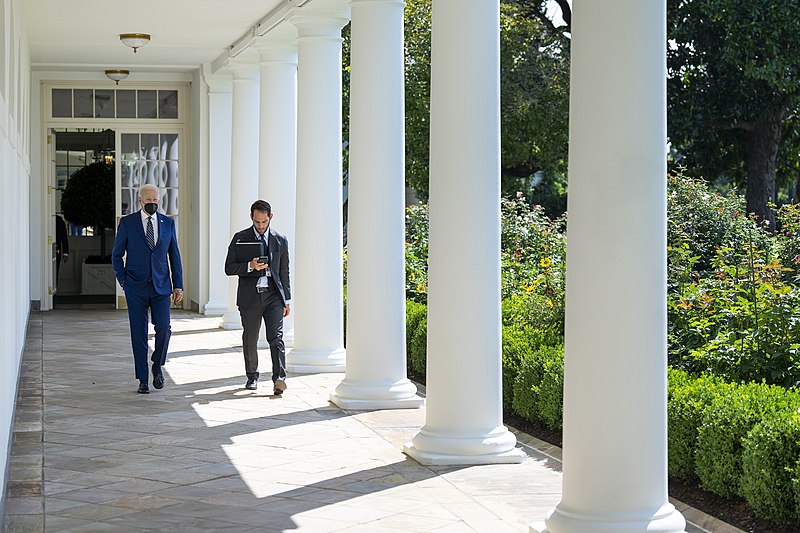
US President Joe Biden has pledged to take action following the announcement by the Saudi Arabia -led OPEC+ and Russia to cut oil production despite Washington’s objections to such a move. This follows the call by a Senator to freeze all cooperation with the kingdom.
In an interview on CNN, Biden was pressed on the issue that the OPEC group would cut oil production by two million barrels a day, ignoring the pressure from Washington. The US leader said that there would be repercussions for the move by the group of oil-producing countries but did not disclose what the consequences would be.
“There’s going to be some consequences for what they’ve done with Russia,” said Biden. “I’m not going to get into what I’d consider and what I have in mind. But there will be, there will be consequences.”
Saudi Arabia said the decision to cut oil production by two million barrels per day was to stabilize the oil market instead of raising oil prices in the midst of interest hikes by central banks and the possibility of a global recession.
However, those who have criticized the move said it would only drive prices up and generate more revenue for Russia to continue funding its war on Ukraine amid sanctions on Moscow by the West.
The move was also seen by some as a diplomatic blow to Biden and his administration as the United States gears up for its midterm elections in November.
Saudi Arabia’s foreign minister Prince Faisal bin Farhan defended the move Tuesday, saying that it was genuinely out of economic reasons and was unanimously agreed upon by the countries that are part of OPEC+.
The oil production cuts have led the Biden administration to review US-Saudi Arabia relations especially as lawmakers have grown to be more critical of the kingdom after the announcement. US State Department spokesperson Ned Price said Tuesday that Washington is reviewing US-Saudi relations in consultation with lawmakers and allies abroad.
Price added that Biden previously talked about the need to “recalibrate” relations with Saudi Arabia to better serve the US.
“Our guiding principle will be to see to it that we have a relationship that serves our interests. This is not a bilateral relationship that has always served our interests,” said Price.







