The United States military carried out extensive airstrikes against Islamic State (ISIS) targets across Syria on Friday, escalating its response after a deadly attack on American personnel, according to U.S. officials. The operation, named Operation Hawkeye Strike, targeted dozens of ISIS-linked sites in central Syria and marked one of the most significant U.S. military actions in the region in recent months.
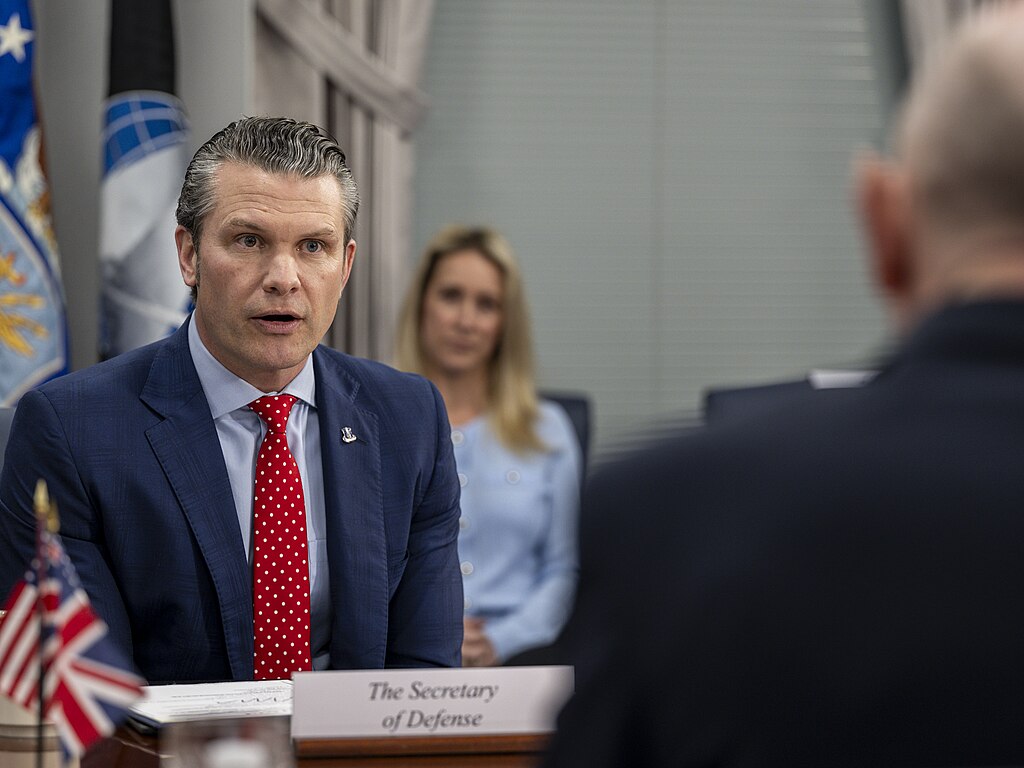
U.S. Defense Secretary Pete Hegseth confirmed that the strikes focused on ISIS fighters, infrastructure, and weapons storage locations. He emphasized that the operation was a direct retaliation for a suspected ISIS attack that killed two U.S. Army soldiers and a civilian interpreter last weekend in the historic city of Palmyra. Three additional American soldiers were wounded during the attack, which targeted a joint U.S.-Syrian convoy.
President Donald Trump reiterated his commitment to respond forcefully, stating on social media that the U.S. was delivering “very serious retaliation” and that Syria’s government had fully supported the military action. U.S. Central Command reported that more than 70 targets were hit, with support from Jordanian fighter jets. The strikes reportedly involved U.S. F-15 and A-10 fighter aircraft, Apache helicopters, and HIMARS rocket systems.
The U.S.-led coalition has intensified airstrikes and ground operations against ISIS in Syria in recent months, often coordinating with Syrian security forces. Syrian officials reaffirmed their commitment to eliminating ISIS and preventing the group from finding safe havens within Syrian territory.
The Syrian Interior Ministry identified the attacker in Palmyra as a member of Syria’s security forces suspected of sympathizing with ISIS, highlighting ongoing security challenges despite cooperation between Damascus and Washington. Approximately 1,000 U.S. troops remain stationed in Syria as part of counterterrorism efforts.
Syria’s current government, formed after former president Bashar al-Assad was ousted following a 13-year civil war, includes former rebel factions that have clashed with ISIS in the past. Relations between Syria and the U.S. have recently improved, including a counterterrorism agreement reached after Syrian President Ahmed al-Sharaa’s visit to the White House last month.