


 Trump Eyes $54 Billion South Korean Investment in Alaska LNG
  Trump Demands Powell Resign Over Fed Renovation Cost Overruns
  Trump Denies Offering Iran Sanctions Relief for Nuclear Concessions
  CNN, Politico and MS NOW Seek Court Order Blocking Trump White House Ban
  US Troops Set to Complete Iraq Withdrawal as Iran Influence Grows
  Israeli Settlers Attack West Bank Village, Block Palestinian Family’s Return
  US Sanctions Iran Weapons Procurement Network
  Wicker Urges US to Uphold Taiwan Security Commitments
  White House Blames Democrats as CLARITY Act Stalls
  Pentagon Launches Autonomous Warfare Command
  Trump Says He Raised Political Prisoners With Xi
  Rubio Warns Cuba to Change Course as US Pressure Mounts
  TSA Removes Chairs for Airport ID Check Officers
  Malaysia Begins Deportation of 1,500 Myanmar Nationals
  California Leads Lawsuit Over Trump’s $810 Million Funding Cuts
  US Alcohol Ban Exposes Canada’s Internal Trade Barriers
  Polymarket Traders Bet on Trump AI Rename to ‘Super Intelligence’


 Add as a preferred source on Google
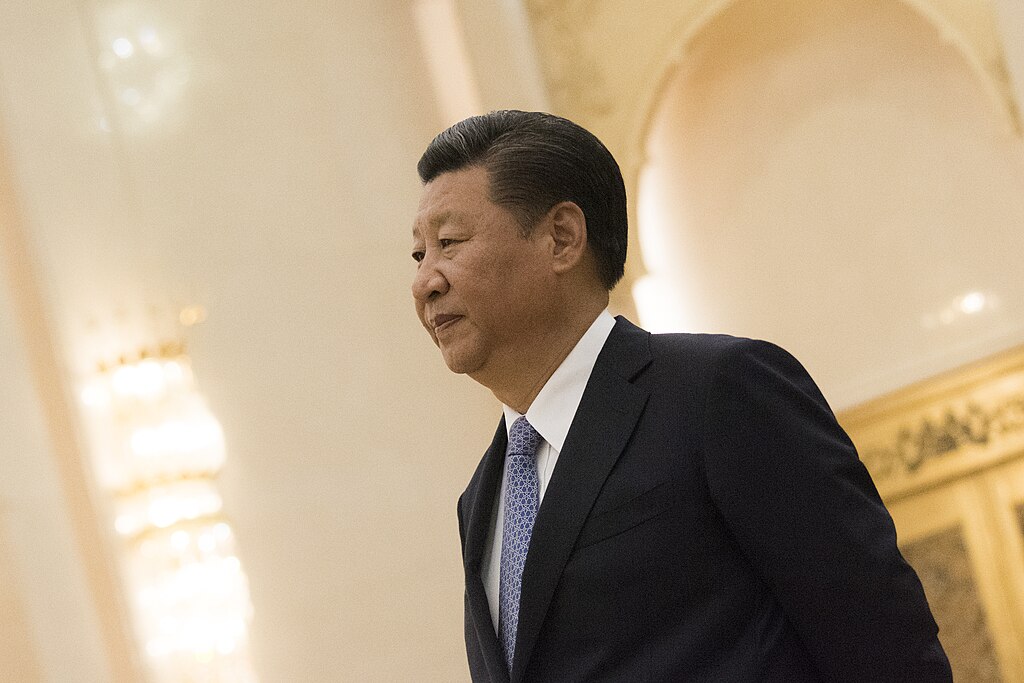
U.S. officials increasingly believe China is unlikely to invade Taiwan before 2028, despite Chinese President Xi Jinping’s reported directive for the People’s Liberation Army to be capable of taking the island by force by 2027 if necessary.
People familiar with U.S. assessments said China’s military readiness has faced delays partly because of Beijing’s sweeping anti-corruption campaign. Chinese leaders may also prefer to wait for Taiwan’s 2028 presidential election, hoping it produces a government more receptive to closer ties with Beijing.
However, the risk of military action could increase after 2028 if Taiwan’s ruling Democratic Progressive Party secures a fourth consecutive term, particularly if President Lai Ching-te wins reelection. Lai and the DPP emphasize Taiwan’s separate identity, while Beijing considers the island part of Chinese territory. Taiwan rejects China’s sovereignty claims and maintains that its people should determine their future.
The assessment marks a shift from longstanding concerns surrounding the PLA’s 2027 readiness target, which coincides with the military’s centenary. The benchmark has generally been viewed as a capability goal rather than a confirmed invasion deadline. China has repeatedly said it seeks peaceful “reunification” but has not ruled out using force.
U.S. intelligence said in its March annual threat assessment that Beijing did not have a plan at that time to invade Taiwan in 2027 and continued to prefer gaining control without military force if possible.
China’s military modernization has also been disrupted by Xi’s anti-corruption drive. Investigations and expulsions have removed numerous senior military officials, leaving only two active members on the previously seven-member Central Military Commission, including Xi.
U.S. officials believe China’s recent military exercises indicate the PLA still has readiness gaps. Beijing is also thought to have studied conflicts in Ukraine and Iran, drawing lessons about the importance of achieving objectives rapidly rather than becoming trapped in a prolonged war.
Despite the revised U.S. assessment, Xi has not abandoned the PLA’s 2027 capability target, and Beijing continues to pressure Taiwan while opposing U.S. weapons sales to the island.







