


 Jefferies Names AMEC Top China Semiconductor Equipment Pick
  Trump Imposes New Tariffs on Drone Imports Over US Security Concerns
  Pinterest Stock Falls as CFO Julia Brau Donnelly Resigns
  Unitree Shares Plunge 45% After Blockbuster IPO, Raising China Tech Bubble Fears
  Nvidia Reportedly Eyes $13 Billion Hugging Face Acquisition
  Shein Hong Kong IPO to Raise $1.7 Billion at $26.5 Billion Valuation
  Meta Agrees to $18 Billion Settlement, Tightens Teen Social Media Rules
  SoftBank Eyes $20 Billion Bond Sale to Refinance OpenAI Loan
  Trump Signs Order to Cut Routine Childhood Vaccines
  Nvidia Pauses AI Cloud Financing Deals Amid Antitrust Concerns
  GM Plans C$1.1 Billion Canada Investment Amid U.S. Tariff Pressure
  Trump Orders U.S. Navy to Return to Steam Catapults for Aircraft Carriers
  Salesforce Shares Surge as AI Demand Powers Q2 Earnings Beat
  Trump Imposes New US Tariffs on Drone Imports Over National Security Concerns
  HP Stock Drops 9% Despite Q3 Earnings Beat and Raised 2026 Outlook
  Trump Targets 1,000 U.S. Space Launches Annually by 2030
  Trump Administration Moves to Strip ABA of Law School Accreditor Status


 Add as a preferred source on Google
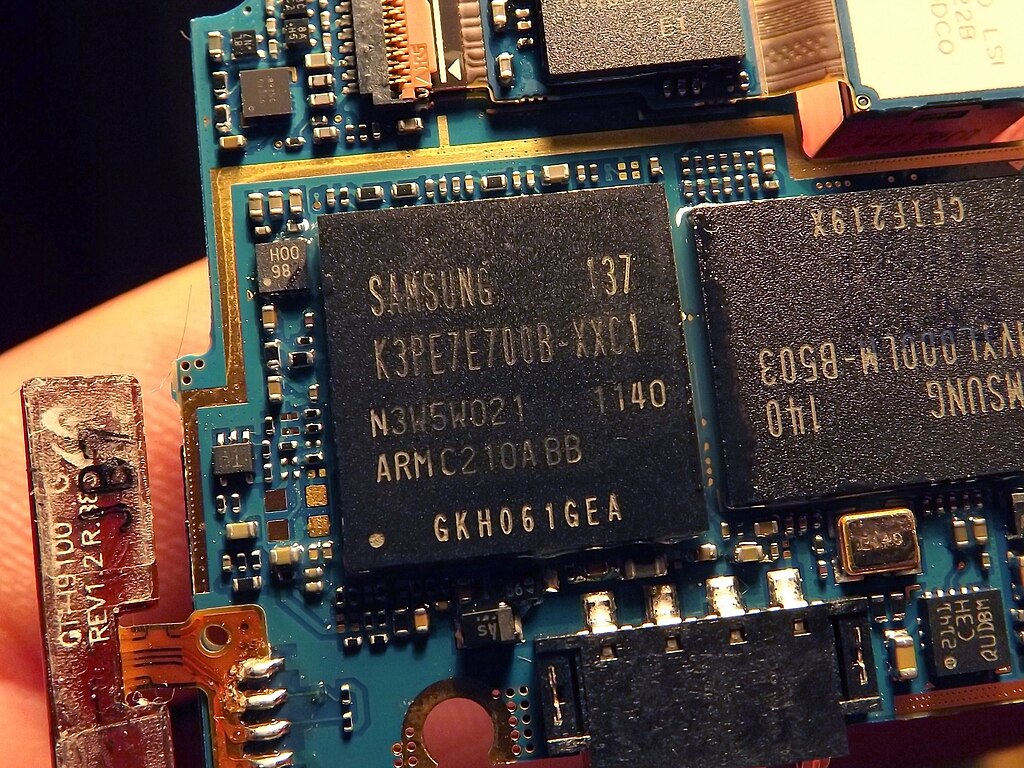
The United States is considering new rules that would require Samsung Electronics and SK Hynix to seek yearly approvals for exporting chipmaking equipment to their factories in China, according to a Bloomberg report. The proposal marks a shift from the indefinite authorizations the companies previously held under the Biden administration, signaling tighter oversight of semiconductor supply chains linked to China.
Sources cited by Bloomberg revealed that U.S. Commerce Department officials recently introduced a “site license” concept during talks with South Korean counterparts. This approach would replace the existing open-ended approvals with an annual review process, giving Washington greater control over advanced chipmaking tools supplied to facilities in China.
The move comes amid heightened U.S.-China tensions over technology access and efforts to restrict China’s ability to advance in semiconductor production. By requiring yearly checks, U.S. authorities aim to balance national security concerns with the global chip industry’s need for stability. Samsung and SK Hynix, two of the world’s leading memory chipmakers, have extensive investments in China, making them key stakeholders in the evolving policy.
While the report highlights growing scrutiny, it also underscores ongoing negotiations between Washington and Seoul. South Korea remains a crucial ally in U.S. semiconductor strategy, and any policy shift could affect global supply chains. As the semiconductor industry faces rising demand and geopolitical challenges, the proposed changes signal that U.S. export controls will continue to play a central role in shaping the future of chip manufacturing.
Reuters has not independently verified Bloomberg’s report, but the development highlights the uncertainty chipmakers face as global governments tighten regulations around critical technologies.







