


 EU to Boost Greenland Investment Amid Trump Pressure
  Iran Vows Tougher Response as U.S. Sanctions Squeeze Economy
  US Tightens Cuba Sanctions, Targets Officials and State Entities
  Canada Retaliatory Tariffs on U.S. Goods Take Effect
  Trump Threatens Bombardier U.S. Sales Ban
  US Sailor’s Father Detained by Immigration Authorities
  Trump Signs Order to Cut Routine Childhood Vaccines
  SEC Probes Banks Over Situational Awareness Hedge Fund Collapse
  Iran Plans New Gulf Restricted Zone as Hormuz Tensions Push Oil Higher
  Russia Eyes Putin-Trump-Xi Trilateral Meeting at China APEC Summit
  Yen Rebounds as BOJ Rate Hike Bets Rise
  South Korea GDP Surges on Chip and AI Boom
  Gold Holds Near $4,400 as Fed Hike Bets Rise
  Trump’s Arlington Arch Project Faces New Court Restrictions
  AfD Eyes Historic Win in Saxony-Anhalt Election


 Add as a preferred source on Google
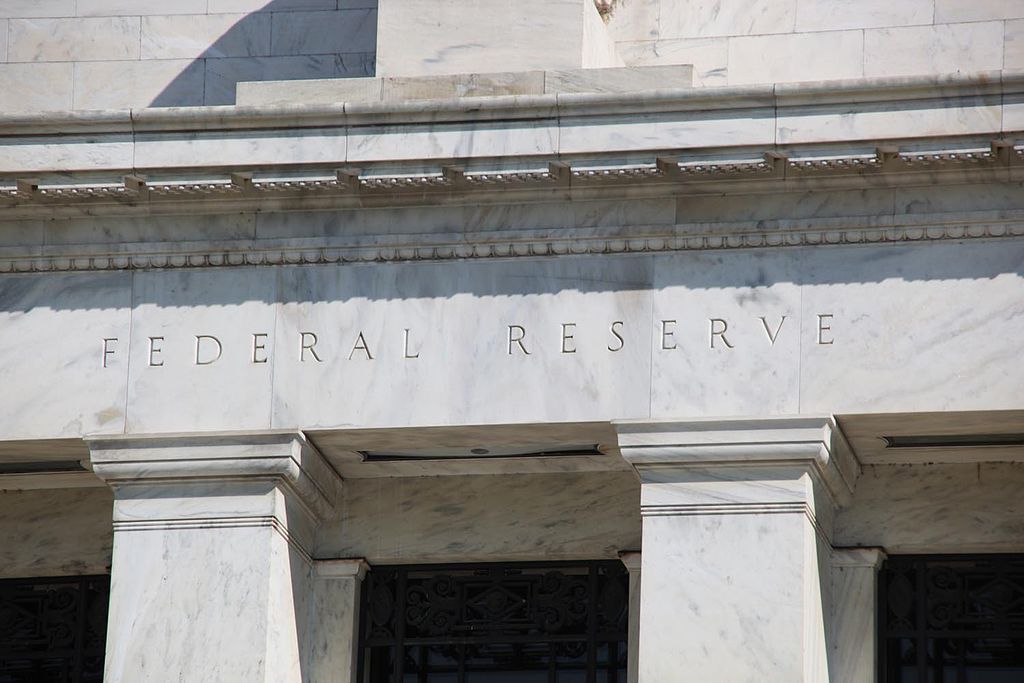
U.S. President Donald Trump said he will reveal his choice to replace Federal Reserve Chair Jerome Powell on Friday morning, a move that is expected to draw significant attention from financial markets, economists, and political observers. Trump made the announcement on Thursday while speaking at the Kennedy Center, stating simply that he would be announcing the next Fed chair the following morning.
The upcoming decision comes at a critical time for the U.S. economy, as inflation, interest rates, and monetary policy remain central issues for investors and households alike. The Federal Reserve chair plays a crucial role in guiding U.S. monetary policy, influencing borrowing costs, market liquidity, and overall economic stability. Any change in leadership at the central bank is closely watched, particularly when it involves a president who has previously expressed strong opinions about interest rates and the Fed’s independence.
Jerome Powell, who has served as Fed chair since 2018, has at times faced public criticism from Trump, especially over the pace of interest rate hikes and the central bank’s policy direction. While Powell’s term has been marked by efforts to balance economic growth with inflation control, Trump has repeatedly called for more aggressive rate cuts to stimulate the economy. The announcement of a potential replacement signals a significant shift that could reshape the Federal Reserve’s approach in the coming years.
Market participants are already speculating about potential candidates and how Trump’s pick might influence future interest rate decisions. Analysts note that even the anticipation of a new Fed chair can cause volatility in stock markets, bond yields, and currency exchange rates. Investors are likely to scrutinize the nominee’s views on inflation, economic growth, and central bank independence for clues about future policy changes.
Trump’s statement has added momentum to ongoing debates about the Federal Reserve’s role and leadership, making Friday’s announcement a highly anticipated event. As the president prepares to unveil his choice, attention will remain firmly focused on what the decision could mean for the U.S. economy, global markets, and the future direction of monetary policy.







