The United States is intensifying diplomatic pressure at the United Nations by urging member states to support a new resolution demanding Iran stop attacks and mining activities in the Strait of Hormuz. However, diplomats say China and Russia are expected to veto the measure in the U.N. Security Council, creating fresh geopolitical tensions ahead of U.S. President Donald Trump’s upcoming visit to China.
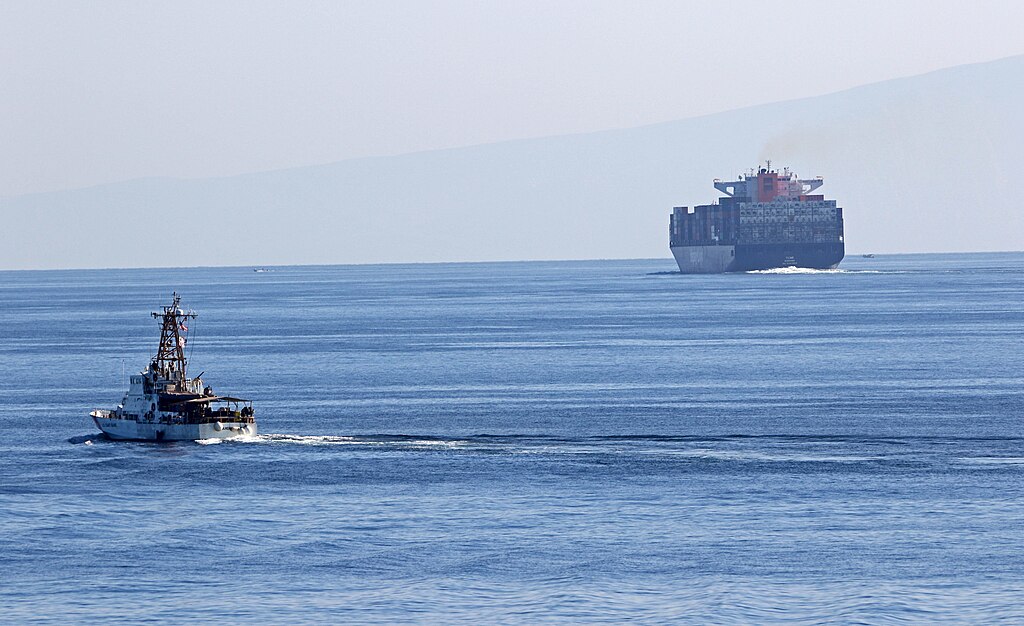
The proposed resolution, drafted by the United States and Bahrain with support from Saudi Arabia, the United Arab Emirates, Kuwait, and Qatar, condemns Iran’s alleged violations of the current ceasefire and its threats to maritime security in the Strait of Hormuz. The draft calls on Tehran to immediately halt attacks, reveal the locations of naval mines, and avoid interfering with clearance operations in one of the world’s most critical oil shipping routes.
U.S. Ambassador to the United Nations Mike Waltz warned that countries opposing the resolution would be “setting a very dangerous precedent.” He argued that supporting freedom of navigation is essential for maintaining global stability and energy security.
Iran strongly rejected the proposal. Iranian U.N. Ambassador Amir Saeid Iravani described the resolution as “one-sided” and politically motivated, accusing Washington of lacking credibility due to its military actions involving Iranian vessels.
According to diplomats, both Russia and China raised objections during closed-door Security Council discussions. China reportedly criticized the draft as biased and opposed references to Chapter VII of the U.N. Charter, which could authorize sanctions or military action. Russia allegedly demanded that the text be rewritten or withdrawn entirely.
The diplomatic standoff comes as reports suggest the United States and Iran may be moving closer to a temporary agreement aimed at reducing hostilities, though several major disputes remain unresolved. Meanwhile, U.S. Secretary of State Marco Rubio has framed the resolution as a key test of the United Nations’ ability to address escalating tensions in the Middle East.