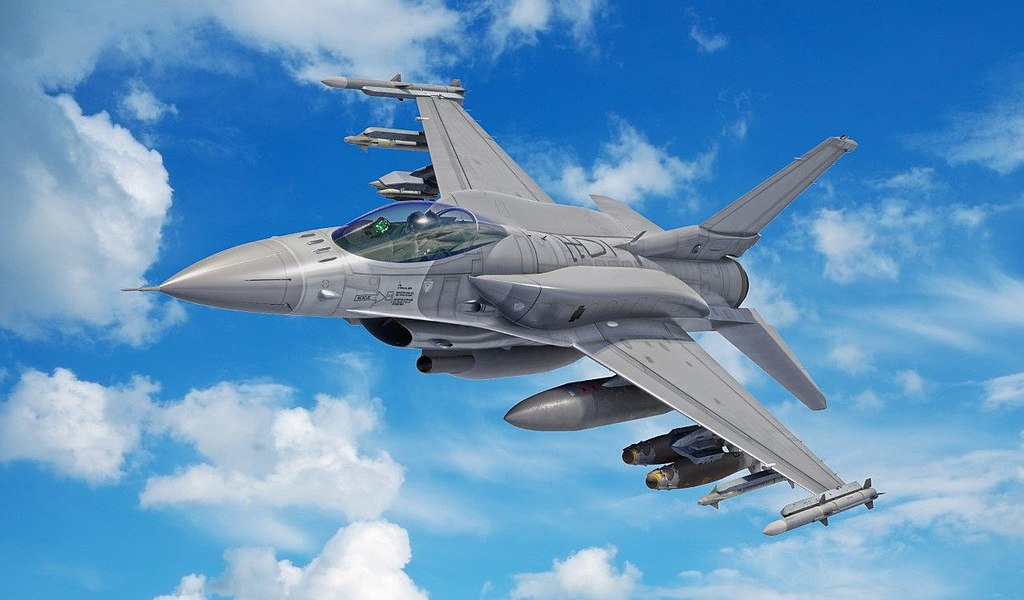
The United States is ramping up efforts to speed up the production and delivery of delayed F-16V fighter jets and advanced glide bombs to Taiwan, according to the island’s defense ministry. The delays come amid growing military pressure from China, which claims Taiwan as its territory, and as Washington remains Taipei’s most crucial arms supplier and security partner.
In a report submitted to lawmakers, Taiwan’s defense ministry revealed that the delivery schedule for 66 F-16V fighter jets — initially set for completion by the end of 2026 — has been postponed. The delay is attributed to production line relocations and ongoing disruptions. To address the issue, U.S. defense contractors are now working extended shifts of up to 20 hours daily to accelerate production. Taiwan’s ministry stated that it continues to closely monitor progress and ensure that all contractual obligations are fulfilled.
Lockheed Martin, the defense contractor responsible for manufacturing the F-16V jets, has yet to issue a comment on the updated timeline.
Meanwhile, Taiwan’s procurement of Raytheon’s AGM-154C Joint Standoff Weapon (JSOW) glide bombs — valued at T$135.97 billion ($4.44 billion) — has also encountered setbacks. Initially slated for delivery by 2026, the supply-chain issues have pushed the expected delivery window to between 2027 and 2028. Raytheon has not immediately responded to requests for comment.
Taiwan’s defense ministry emphasized that all military procurement projects with the United States are subject to rigorous oversight and coordination. Payment schedules, it added, are adjusted according to production milestones to ensure that no premature payments are made before the equipment is delivered.
These delays highlight ongoing challenges in U.S. defense production as global demand for advanced military hardware continues to surge amid rising geopolitical tensions.