


 Vietnam, U.S. Firms Plan 29 Deals Across Energy, Tech and Aviation
  Guterres Urges Stronger Global AI Safeguards Ahead of UN Assembly
  What is Zionism? The different meanings of a contested term
  Yemen Fighting Threatens Red Sea Oil Routes
  Trump Administration Removes Confederate Memorial Criticism From Arlington Website
  Texas Republicans Turn Against AI Data Centers as Election Backlash Grows
  Nvidia-Groq AI Chip Deal Faces U.S. Antitrust Probe
  U.S. Probes Apex Logistics Over Nvidia AI Chip Shipments to China
  Saudi Arabia Shuts East-West Oil Pipeline After Drone Attack
  US Judge Dismisses Imran Ahmed Deportation Lawsuit
  ICE Agent Arrested in Minneapolis Over Venezuelan Man Shooting
  US-China Experts Push AI Nuclear Safeguards to Prevent Military Escalation
  Judge Blocks Trump Rule Limiting Foreign Student Visas
  Saudi Arabia Raises Security Alerts as Houthi Attacks Threaten Oil Routes
  SEC Seeks ISS Client Voting Records in Proxy Adviser Probe
  Australia Tightens Student Visa Rules, Targets Migration Cut by 2028
  DOJ Will Investigate AI-Related Crimes, Attorney General Blanche Says


 Add as a preferred source on Google
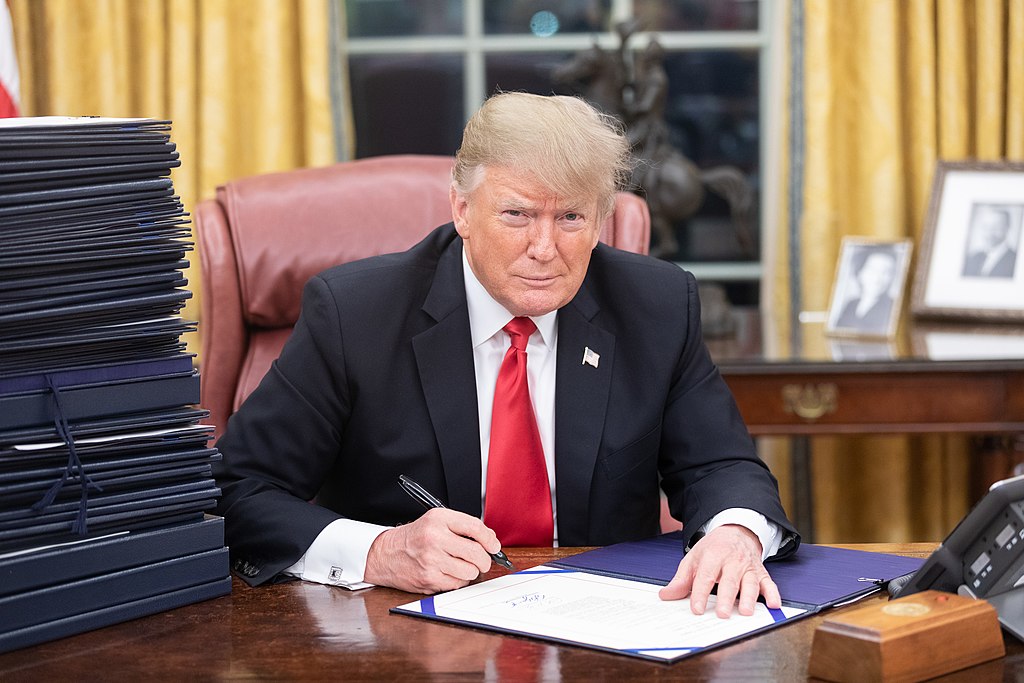
U.S. President Donald Trump has signed a new executive order reshaping how the United States prioritizes foreign military sales, marking a major shift in long-standing U.S. arms export policy. The order establishes the “America First Arms Transfer Strategy,” which directs federal agencies to prioritize weapons sales to countries with higher defense spending and strong strategic importance in their regions, according to the White House.
Under the new policy, U.S. weapons exports will no longer follow the traditional first-come, first-served model that has governed arms sales for decades. Instead, priority will be given to allies and partners that have invested heavily in their own defense capabilities and play a critical role in maintaining regional security. While no specific countries were named in the executive order, the policy aligns closely with recent NATO commitments, including a 2025 agreement by alliance leaders to support a new defense spending target of 5% of GDP and reaffirm collective defense obligations.
The White House said the strategy is designed to accelerate delivery timelines for U.S.-manufactured weapons, reduce production backlogs, and better align foreign military sales with American manufacturing capacity. A fact sheet accompanying the order emphasized that future arms sales will prioritize U.S. national interests by leveraging foreign capital and purchases to expand domestic defense production and industrial capacity.
As part of the implementation, the Secretaries of Defense, State, and Commerce are tasked with developing a prioritized sales catalog of key defense platforms and systems. They will also identify new sales opportunities that support both U.S. strategic objectives and domestic industrial growth. The administration argues that the previous “partner-first” approach contributed to delivery delays and mismatches between foreign demand and U.S. production capabilities.
The executive order also calls for streamlining bureaucratic processes related to arms transfers, including enhanced end-use monitoring and clearer third-party transfer procedures. These changes aim to reduce delays, improve transparency, and make the U.S. arms export system more efficient and predictable.
Overall, the America First Arms Transfer Strategy reflects the administration’s effort to link U.S. defense exports more closely with national security priorities, allied burden-sharing, and the revitalization of America’s defense industrial base, while reinforcing partnerships with countries seen as essential to regional and global stability.







