U.S. stock index futures moved lower on Sunday evening after a record-breaking week on Wall Street, as rising geopolitical tensions between the United States and Iran dampened investor confidence and boosted oil prices. Market sentiment turned cautious, with traders reacting to developments that could disrupt global energy supply and impact inflation.
S&P 500 Futures dropped 0.8% to 7,105.25 points, while Nasdaq 100 Futures declined 0.6% to 26,655.75 points. Meanwhile, Dow Jones Futures saw the biggest decline, falling 1% to 49,168.0 points. The downturn comes after a strong rally last week, when major U.S. indexes reached all-time highs driven by optimism around economic growth and easing global risks.
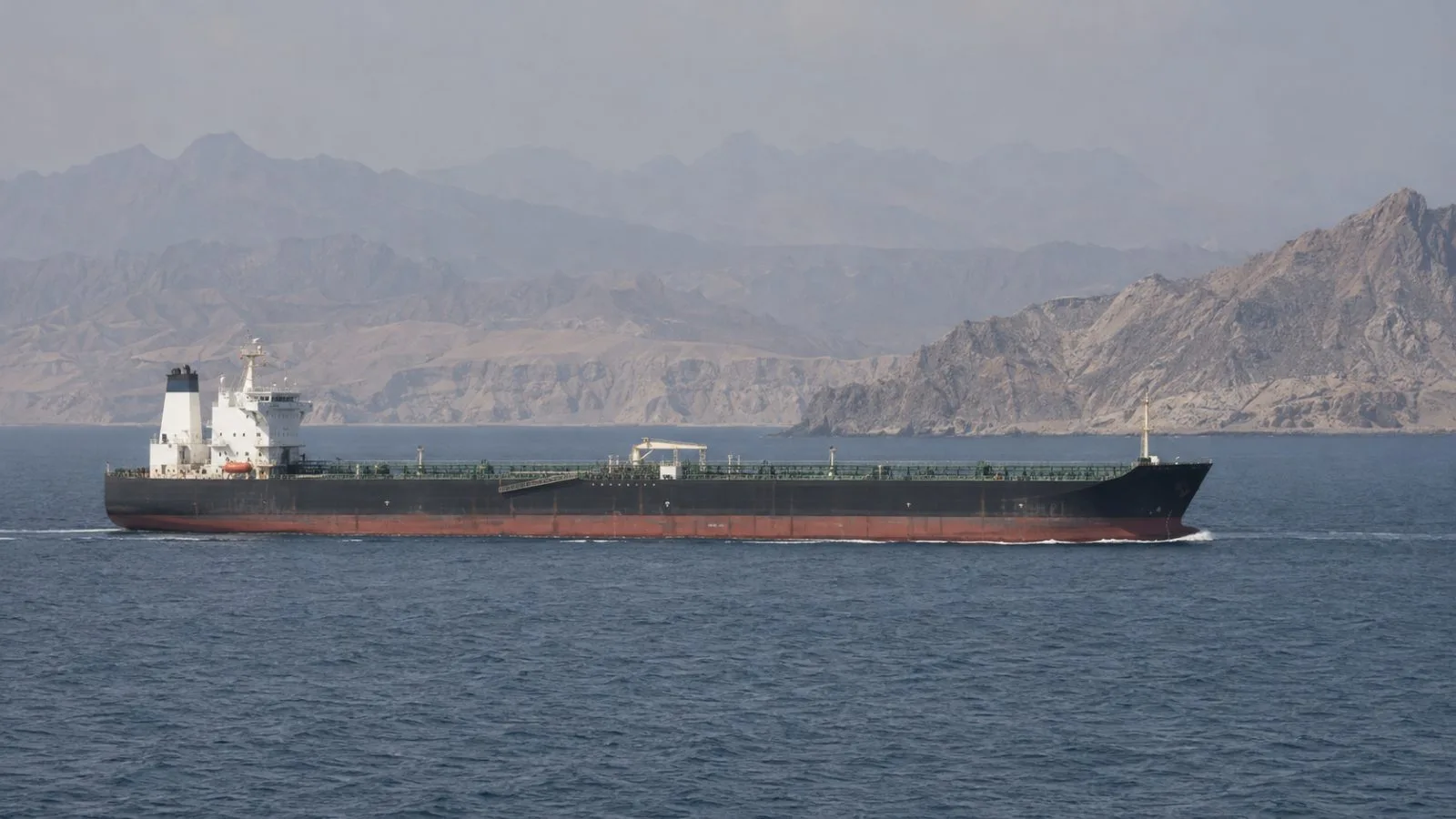
Investor concerns intensified after Iran announced it would not participate in a second round of negotiations with the U.S., which had been expected before a temporary ceasefire deadline. Tensions escalated further when U.S. President Donald Trump revealed that American forces had seized an Iranian-flagged cargo ship in the Gulf of Oman. He also issued a stark warning that the U.S. could target Iran’s infrastructure, including power plants and bridges, if diplomatic efforts fail.
Adding to market anxiety, reports indicated that the Strait of Hormuz, a critical global oil shipping route, had been closed again. This development raised fears of supply disruptions, pushing oil prices higher during Asian trading on Monday. Rising crude prices are a key concern for investors, as they could increase inflationary pressures and complicate the Federal Reserve’s monetary policy outlook.
Despite the recent pullback in futures, Wall Street is coming off one of its strongest weeks in months. The Nasdaq surged approximately 6.8%, the S&P 500 gained around 4.5%, and the Dow Jones rose more than 3%. However, with geopolitical risks back in focus, markets are expected to remain volatile. Investors will closely monitor developments in U.S.-Iran relations, oil price movements, and their potential impact on global economic stability and interest rate expectations.