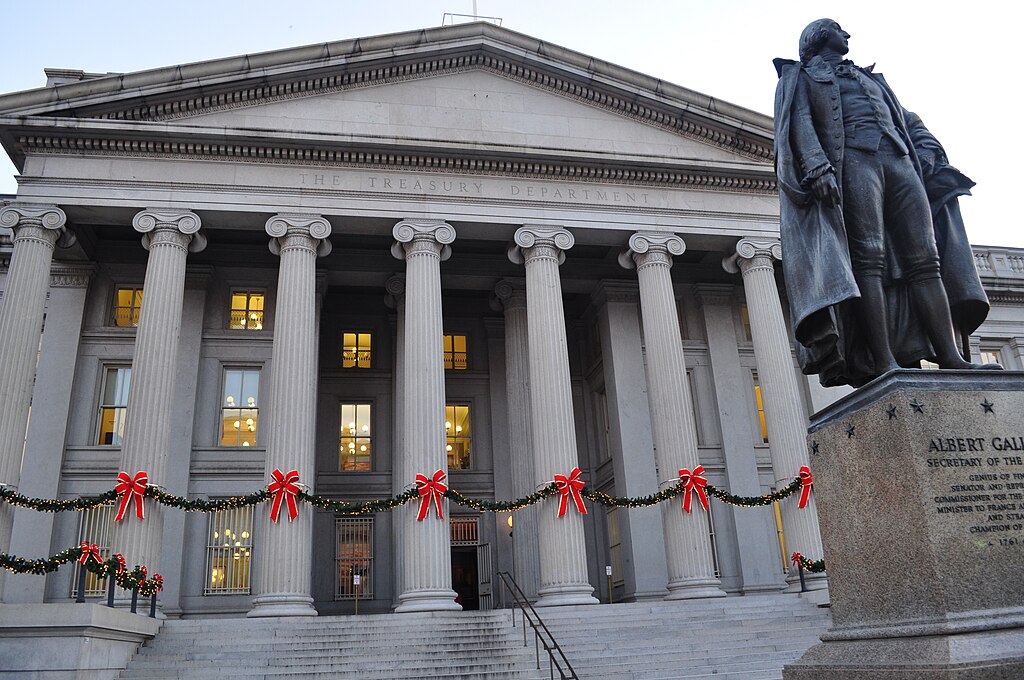
The U.S. Treasury reportedly stepped into currency markets on Friday by buying Japanese yen, joining Japan’s efforts to stabilize the currency after it weakened to levels close to a four-decade low.
According to a Financial Times report citing people familiar with the matter, the Federal Reserve Bank of New York sold euros and purchased yen on behalf of the U.S. Treasury. Goldman Sachs and Morgan Stanley reportedly executed the transactions.
Earlier in the day, Reuters reported that the Treasury had notified several banks it could intervene in the yen market and instructed them to remain prepared for potential future action. News of the possible U.S. involvement helped lift the Japanese yen against the U.S. dollar during Friday’s trading session.
The reported move came a day after Japanese authorities were widely believed to have intervened in the foreign exchange market. Data from the Bank of Japan suggested officials may have spent as much as $58.97 billion buying yen to slow the currency’s sharp decline.
If confirmed, the coordinated intervention would represent a significant escalation in efforts by Washington and Tokyo to support the Japanese currency. The yen’s prolonged weakness has raised Japan’s import costs, contributing to higher inflation and increasing pressure on policymakers to stabilize exchange rates.
While a stronger yen can ease inflation by lowering the cost of imported goods and energy, it may also create challenges for Japan’s export-driven economy. A firmer currency reduces the value of overseas earnings when converted back into yen, potentially weighing on the profits of major Japanese exporters.
Market participants will be watching closely for any further coordinated action between U.S. and Japanese authorities, as additional intervention could influence global foreign exchange markets and shape expectations for future currency policy.
The U.S. Treasury, the Federal Reserve Bank of New York, and Morgan Stanley did not immediately respond to requests for comment outside regular business hours. Goldman Sachs declined to comment on the reported transactions.