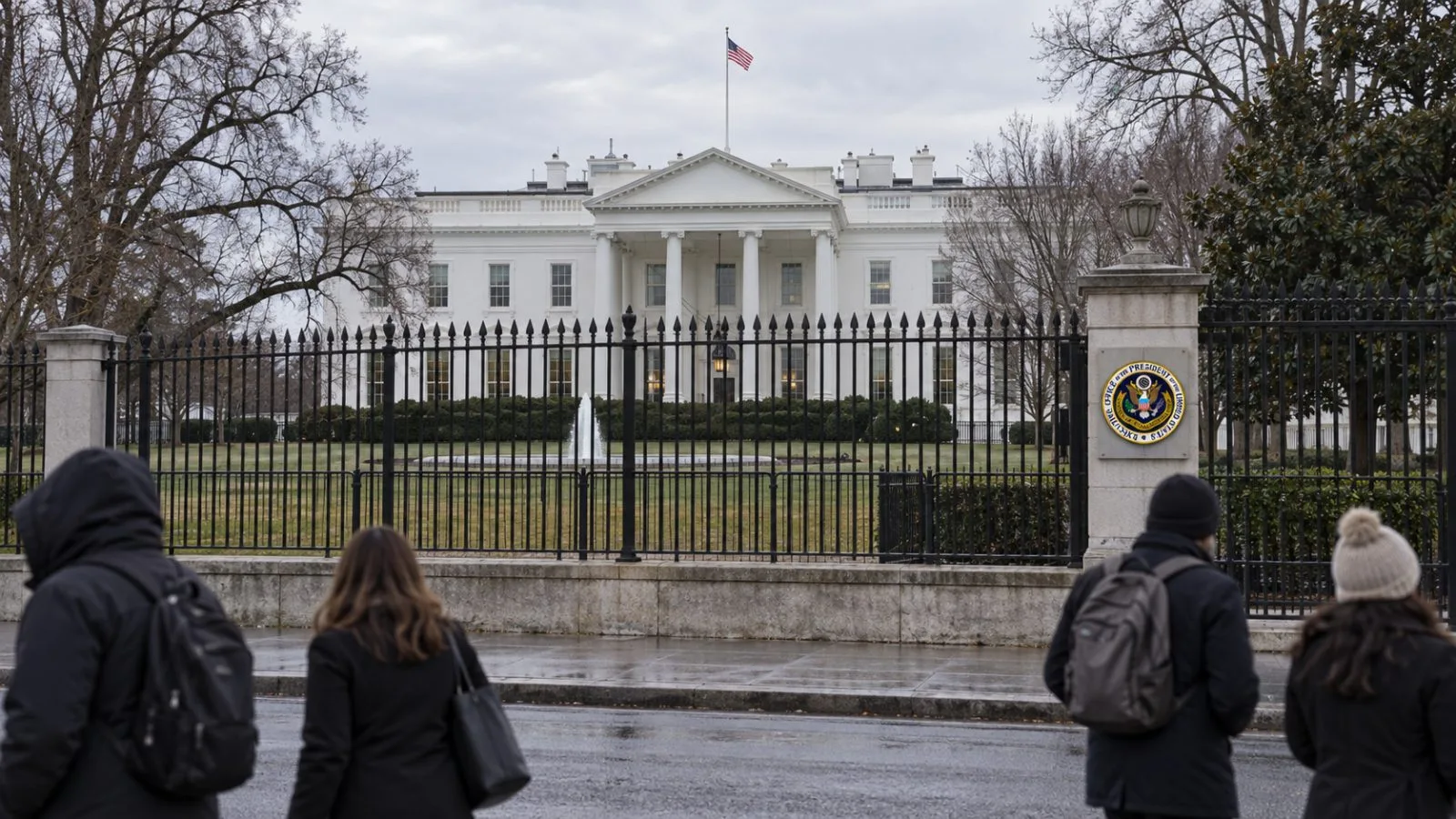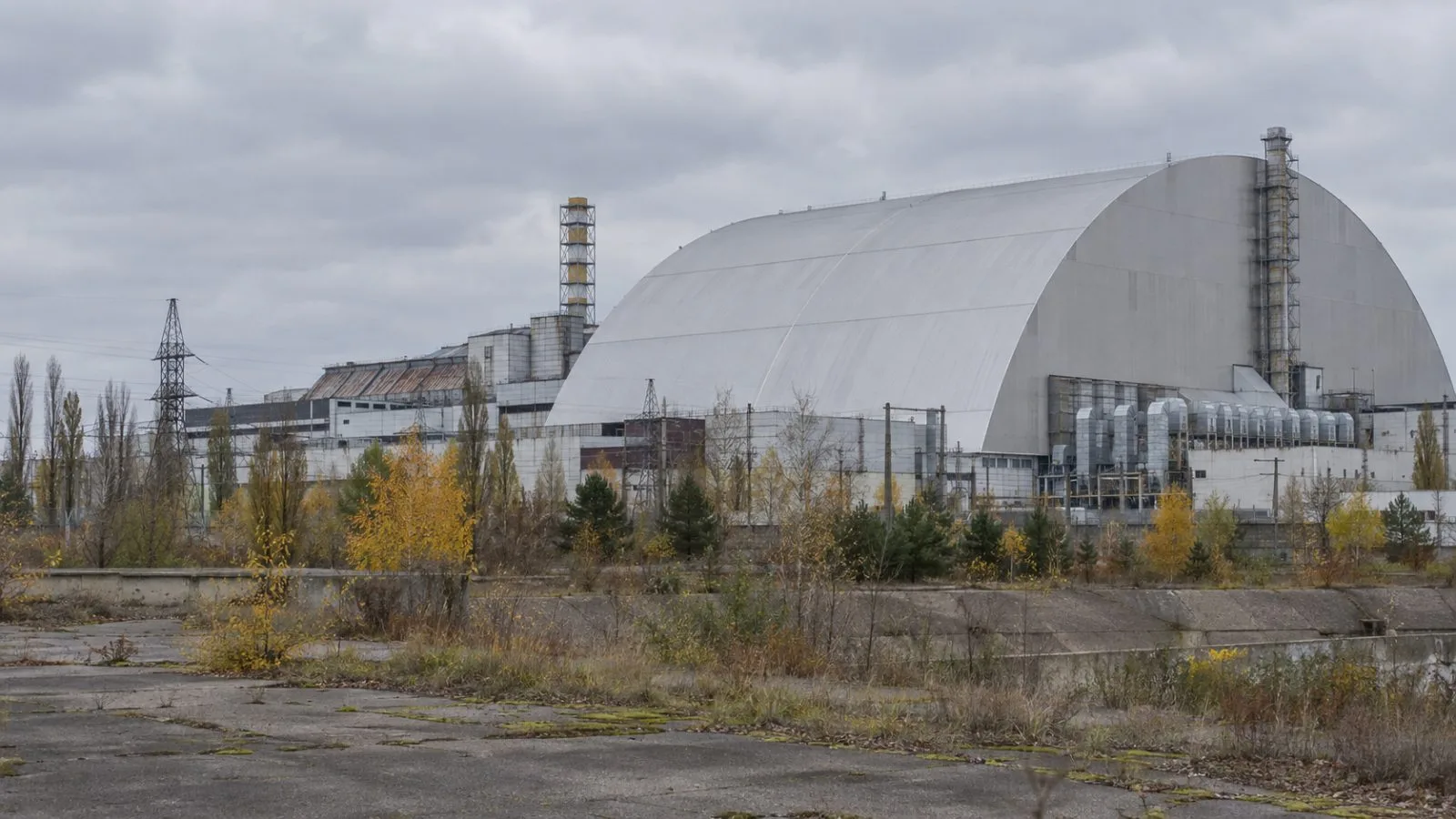
U.S. negotiators met Russian officials in Florida over the weekend as the Trump administration intensified diplomatic efforts to help end Russia’s war in Ukraine, a conflict that began with Moscow’s full-scale invasion in February 2022. The high-level talks, held in Miami, followed earlier meetings between U.S., Ukrainian, and European officials aimed at advancing a potential peace framework and strengthening security guarantees for Kyiv.
According to Russian President Vladimir Putin’s special envoy, Kirill Dmitriev, discussions with U.S. special envoy Steve Witkoff and Jared Kushner were constructive and set to continue. A White House official confirmed that the first day of talks concluded as planned, while U.S. Secretary of State and National Security Advisor Marco Rubio indicated he might join future discussions. Rubio later said progress had been made but cautioned that significant obstacles remain.
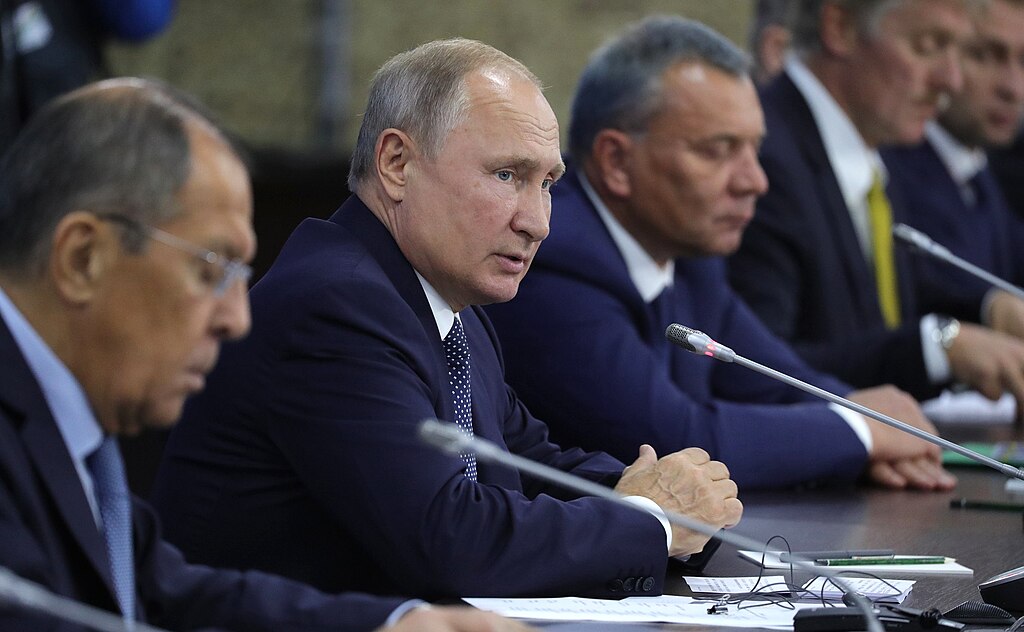
The diplomatic push comes amid mixed signals about Moscow’s intentions. While some U.S. officials have suggested Russia could be open to negotiations, U.S. intelligence assessments reportedly warn that Putin still aims to control all of Ukraine. At a recent press conference, Putin reiterated long-standing demands, including Ukraine’s withdrawal from four regions claimed by Russia and abandoning its NATO aspirations, conditions Kyiv has consistently rejected.
Ukrainian President Volodymyr Zelenskiy expressed cautious support for a U.S.-proposed trilateral format involving the United States, Ukraine, and Russia, particularly if it could accelerate prisoner exchanges and lead to meetings between national leaders. However, a Russian source said direct talks between Russian and Ukrainian negotiators during the Miami discussions were ruled out.
Ukraine’s chief negotiator Rustem Umerov confirmed that U.S. and European partners agreed to continue coordinated efforts toward a diplomatic resolution. While optimism exists around incremental progress, the gap between Russian demands and Ukrainian red lines underscores how difficult a comprehensive peace agreement remains. The coming weeks may determine whether these negotiations can translate into meaningful steps toward ending one of Europe’s deadliest conflicts in decades.