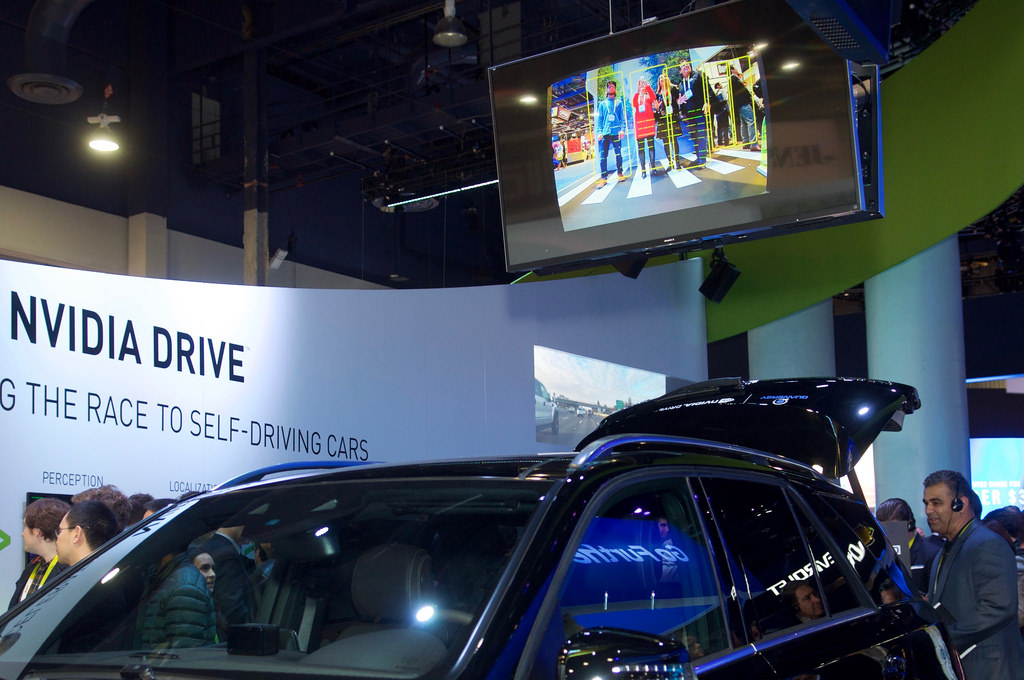
The fatal accident involving Uber’s self-driving car in Arizona seems to have had far-reaching consequence. Among them is the suspension of the tests that NVidia was also conducting, with regards to the technology. A big part of this is because Uber’s own driverless vehicle that was involved in the accident was sporting the chipmaker’s computing platform.
According to Reuters via CNBC, Nvidia has been conducting tests in numerous states, cities, and countries with regards to the self-driving technology that it has been trying to develop. These include New Jersey, Santa Clara, Japan, and Germany.
The company is even set to hold its GPU Technology Conference this week in San Jose, California. Nvidia is expected to show off some of its newest products and any planned technological marvel that it wants to rub in its competitors’ faces. It’s only natural that the company would want to avoid having the incident detract from the event.
In an email to The Verge, a spokesperson for the company writes that Nvidia simply wants to make sure that safety becomes a huge priority going forward.
“The accident was tragic. It’s a reminder of how difficult SDC technology is and that it needs to be approached with extreme caution and the best safety technologies,” the email reads. “This tragedy is exactly why we’ve committed ourselves to perfecting this life-saving technology. Ultimately AVs will be far safer than human drivers, so this important work needs to continue. We are temporarily suspending the testing of our self-driving cars on public roads to learn from the Uber incident. Our global fleet of manually driven data collection vehicles continue to operate.”
Nvidia isn’t alone in this decision either. Many other companies, including Honda, have decided to halt their driverless vehicle tests. The emotional toll that the Uber incident has taken among the test drivers is not something to take lightly.