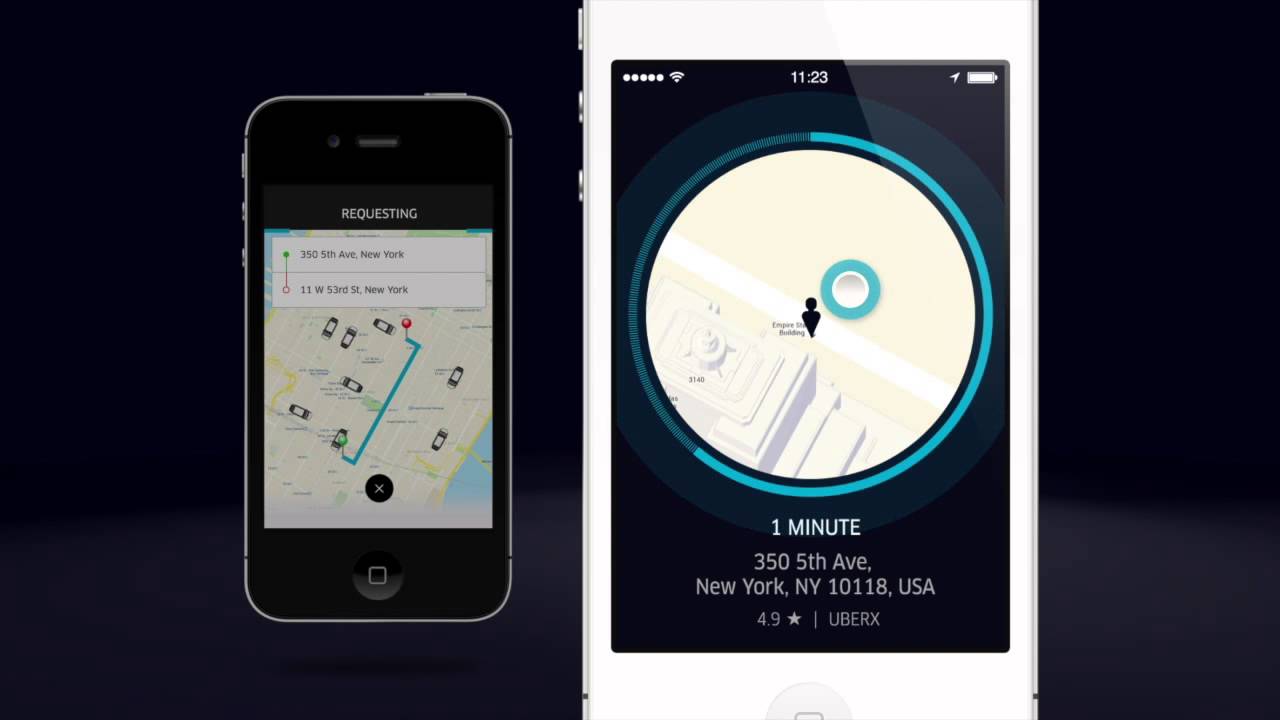
“Uber” has now decided that they will give in to consumer demand and provide scheduled riding services good for a maximum of 30 days. This is despite the initial decision by the hailing service’s Chief Executive Travis Kalanick back in September. As The Wall Street Journal reports, Kalanick wanted to make their hailing service as reliable as when people take showers; forgetting of course that showers can also be unreliable.
“Do you schedule time with your shower?” Kalanick asked during the Salesforce Dreamforce. “You don’t think about scheduling time with your shower. You just turn the faucet and it works.”
Considering the fact that showers can be interrupted when there’s a problem with the supply of water, there are also times when there are no “Uber” drivers available when they are needed the most. This is why the company was overwhelmed by an avalanche of requests to implement the feature to begin with, and why “Uber” had to finally relent.
Whether or not this is the only reason is not clear, but the decision by rival cab hailing company “Lyft” to implement a similar feature might have spurred Uber to reverse their initial dismissal of the proposal. The 30-day ride schedule limit seems to be a response to “Lyft’s” 24-hour reservation as well in an attempt to outdo their competitor.
As USA Today states, both companies are behind the much smaller “Gett” car-hailing service, which has been offering scheduled rides for a little over a year. Among the vehicles that customers can ride with “Gett” include limos, town cars, and sedans. The service is also available only in places where it has been operating; namely, Russia, Manhattan, Israel, and Great Britain.
In terms of “Uber’s” offer, though, the cost for scheduled rides will be the same as any other “Uber” hailing. If the customer decides to cancel the scheduled ride, there will be no penalties.