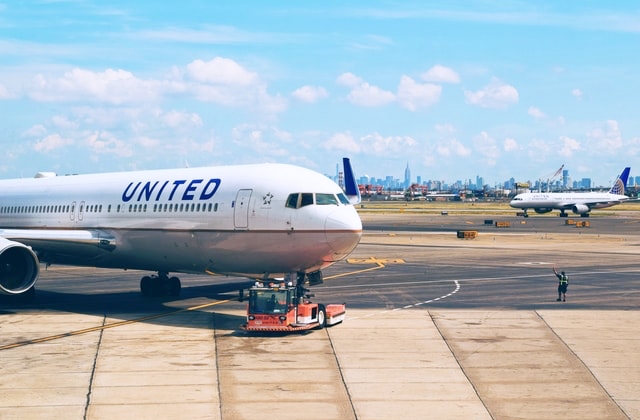
United Airlines announced Friday it will reduce its flight schedule by 5% during the second and third quarters of 2025, responding to a dramatic spike in jet fuel prices triggered by the ongoing conflict in Iran. The decision reflects the airline's strategy to avoid operating unprofitable routes as energy costs continue to climb.
CEO Scott Kirby outlined the plan in an internal memo, warning that oil prices could reach $175 per barrel and remain above $100 through the end of 2027. At those levels, United's annual fuel expenses would surge by roughly $11 billion — more than double the carrier's best-ever annual profit. Kirby made clear the airline's position: "There's no point in burning cash in the near term on flying that just can't absorb these fuel costs."
The reductions will primarily target off-peak services, including red-eye flights, slower midweek routes, and roughly one percentage point of capacity at Chicago O'Hare. United will also keep its Tel Aviv and Dubai routes suspended for the foreseeable future. Kirby stated the airline intends to restore its full schedule by fall.
Jet fuel prices have nearly doubled since late February, reshaping airline operations worldwide through costly flight reroutings and airspace closures linked to the Iran conflict. Despite this, passenger demand across the U.S. airline industry remains remarkably resilient. United reported that its ten highest-revenue booking weeks have all occurred within the past ten weeks.
Competitors Delta and American Airlines have also leveraged strong traveler demand to implement fare hikes, partially offsetting the fuel cost surge. United is adopting a similar approach, though Kirby emphasized the airline would rather leave seats empty than fly money-losing routes. The capacity reductions are also expected to support industry-wide pricing power during this volatile period.