


 Europe can’t achieve space sovereignty alone. Here’s why
  Trump Threatens EU Tariffs Over Canada Membership Proposal
  Vietnam, U.S. Firms Plan 29 Deals Across Energy, Tech and Aviation
  U.S. Imposes New Visa Restrictions Over South Africa Policies
  FDA Weighs Safety Standards for Psychedelic Therapies
  US Immigration Arrests Surge as Deportations Lag Behind
  Who should own the knowledge that underpins AI technology?
  Yemen Fighting Threatens Red Sea Oil Routes
  Australia Plans New Rules Giving Users Control Over Social Media Feeds
  Saudi Arabia Raises Security Alerts as Houthi Attacks Threaten Oil Routes
  US-China Experts Push AI Nuclear Safeguards to Prevent Military Escalation
  Trump Hopes Iran War Nears End as Yemen Fighting Escalates
  Google Changes EU Spam Policy Amid Antitrust Scrutiny
  Trump Administration Removes Confederate Memorial Criticism From Arlington Website
  France Targets Shein, Temu With Fast-Fashion Fees
  New Zealand Labour Backs Social Media Ban for Under-16s
  Iran Economic Crisis Forces Afghan Families to Return Home


 Add as a preferred source on Google
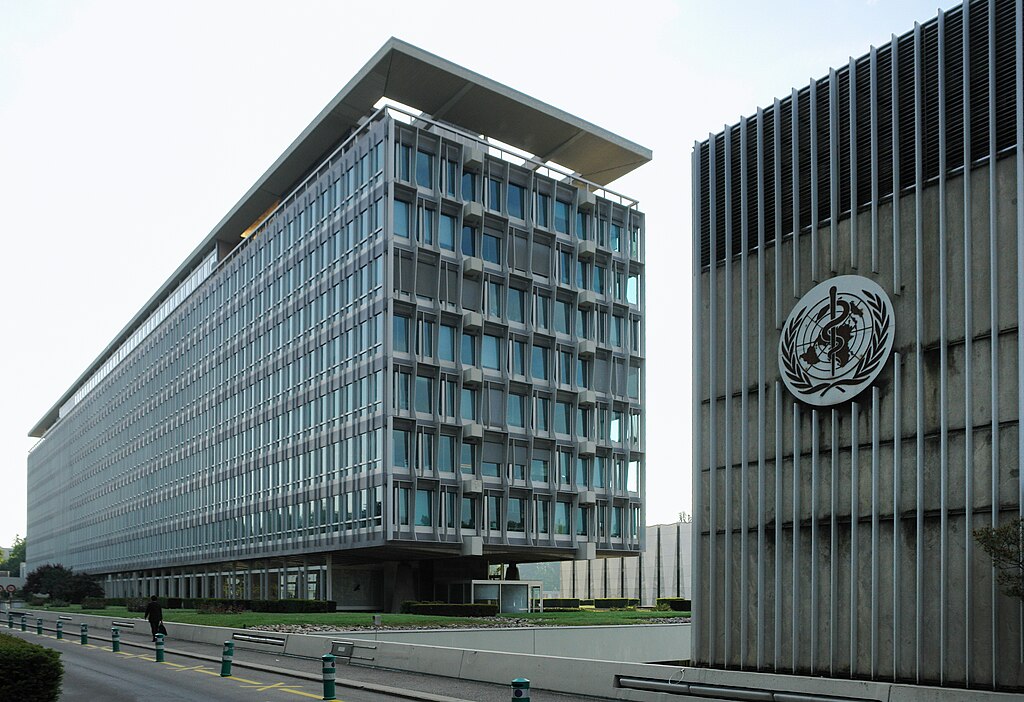
The United States has officially withdrawn from the World Health Organization (WHO), marking a significant shift in global health policy that experts warn could harm public health both domestically and worldwide. The decision follows a year of escalating warnings from health leaders and international officials who argued that leaving the United Nations health agency would weaken global disease surveillance and response systems.
President Donald Trump initiated the withdrawal on the first day of his presidency in 2025 through an executive order, citing what the administration described as the WHO’s failures in managing the COVID-19 pandemic. According to a joint press release from the U.S. Departments of Health and State, the United States will no longer participate fully in WHO activities and has no plans to rejoin or even serve as an observer. Instead, the U.S. intends to collaborate directly with individual countries on public health priorities, including disease monitoring and emergency response.
A key point of contention involves unpaid membership fees. Under U.S. law, the country was expected to provide one year’s notice and settle approximately $260 million in outstanding dues before exiting. However, State Department officials dispute that payment is a legal prerequisite for withdrawal, arguing that American taxpayers have already contributed sufficiently. The Department of Health and Human Services confirmed that all U.S. funding to the WHO has ended, stating the organization’s actions had cost the U.S. trillions of dollars.
The withdrawal has already triggered major consequences. The U.S. flag was removed from WHO headquarters in Geneva, and the agency has entered a financial crisis. As its largest donor, contributing about 18% of total funding, the U.S. exit has forced the WHO to cut its management team, reduce budgets, and plan to lay off roughly a quarter of its staff by mid-year.
Global health leaders, including WHO Director-General Tedros Adhanom Ghebreyesus and Gates Foundation chair Bill Gates, have urged the U.S. to reconsider. While a quick return appears unlikely, experts stress that the absence of U.S. leadership could weaken international cooperation and increase risks to global health security.







