


 Russian Officials Say Ukrainian Drone Attacks Kill 3 in Belgorod, Injure 19 on Bus
  EEOC Drops Penn Subpoena in Antisemitism Probe, Investigation Continues
  HRW Accuses Russia’s Africa Corps of Deadly Airstrike on Mali Civilians
  US Restricts Commercial Flights From Congo Amid Ebola Outbreak
  Lebanon Lawyers Seek Probe Into Banker Over Alleged Netanyahu Dinner in Washington
  Spain Deploys Troops as Ceuta Faces Major Migrant Surge From Morocco
  Trump Administration Imposes New Forced Labor Tariffs on 60 Trading Partners
  U.S. Launches Air Strikes on Iran After Alleged Missile Attack on American Forces
  Oman Proposes Strait of Hormuz Plan as U.S. Rejects Iran Shipping Fee Idea
  Trump-Backed Russia Sanctions Bill Faces House Hurdles Over Tariff Powers
  FAA Proposes Inspections for Boeing 737 MAX Passenger Seats Over Installation Concern
  Oman Proposes Strait of Hormuz Plan as U.S., Iran Remain Divided Over Shipping Fees
  Brazil Rejects Visas for Trump Officials Ahead of Presidential Election
  South Korea Reviews Border Drone Incident After Troops Mistake U.S. Aircraft for Potential Threat
  Iran Fires Ballistic Missiles at U.S. Forces; All Intercepted, CENTCOM Says


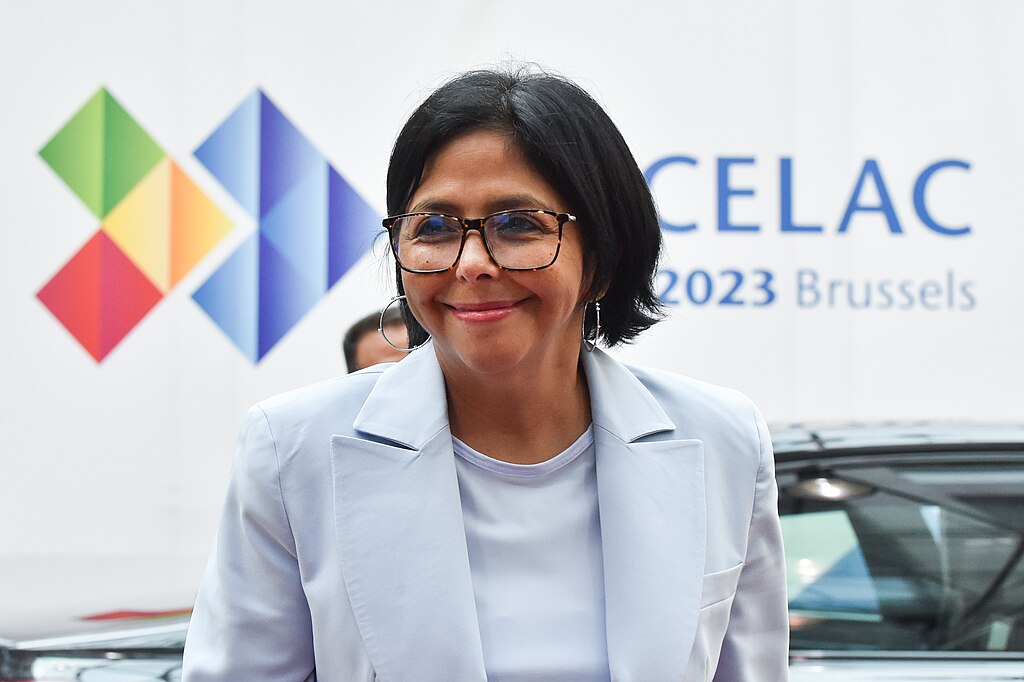
Venezuela’s ruling party-controlled legislature has approved a limited amnesty bill that human rights organizations say does not go far enough to free hundreds of political prisoners. The vote comes as family members of detainees stage a hunger strike in Caracas, highlighting ongoing tensions over political repression in Venezuela.
Interim President Delcy Rodríguez, who assumed power last month following the U.S.-backed ouster of President Nicolás Maduro, has moved to ease tensions with Washington. Her administration has agreed to new oil sale conditions and released hundreds of detainees classified by advocacy groups as political prisoners. However, the Venezuelan government continues to deny holding political prisoners, insisting those jailed committed criminal offenses.
The newly approved amnesty law covers individuals involved in political protests and violent actions linked to events in 2002 and selected protests, elections, and demonstrations between 2004 and 2025. However, it excludes those convicted of military rebellion tied to 2019 events. The law does not clearly define all eligible crimes, though earlier drafts referenced charges such as rebellion, treason, resistance to authorities, and instigation of illegal activity.
Critics argue the legislation lacks key provisions. It does not restore seized assets, lift political bans from public office, or reverse sanctions imposed on media outlets. While Venezuelans living abroad can apply for amnesty through legal representatives, they must return in person to receive it and must have ceased the actions considered criminal. International arrest warrants will be lifted only after amnesty is granted.
The law excludes individuals convicted of human rights violations, corruption, drug trafficking, murder, war crimes, or armed actions involving foreign entities. Authorities frequently accuse opposition figures of collaborating with foreign governments, allegations the opposition denies.
The government reports nearly 900 prisoner releases over the past year, while Foro Penal counts approximately 450 political prisoner releases since January 8. Advocacy groups continue to call for broader reforms, stating that true freedom will only come when Venezuela’s system of political repression is dismantled.







