


 Cardano Hits Five-Year Transaction Record as ADA Price Falls
  Samsung, SK Hynix Shares Fall as China's CXMT Advances DRAM Technology
  Bitcoin Price Faces Volatility Ahead of US CPI and Fed Speech
  Yandex Data Center Hit by Drone Strike as Russia-Ukraine Cyber Infrastructure Attacks Escalate
  Moonshot AI Executives Seek Settlement Ahead of Hong Kong IPO
  US Suspends Microsoft, Adobe From Green Card Program
  Apple Supplier Luxshare Sees Limited Impact From US Patent Probe
  Epic Games Delays Disney Shooter, Shifts to AI-First Development
  Ethereum Foundation-Linked Wallets Move $11.13M in ETH to Kraken
  Broadcom, Oracle and SpaceX Seek Billions in Private Debt for AI Expansion
  Zcash Plans Quantum-Resistant Security Upgrade for January
  XRP Price Holds $1.35 Support as Bears Target $1.25
  Trump Buys Up to $25M in Meta Stock, Invests in SpaceX Debt


 Add as a preferred source on Google
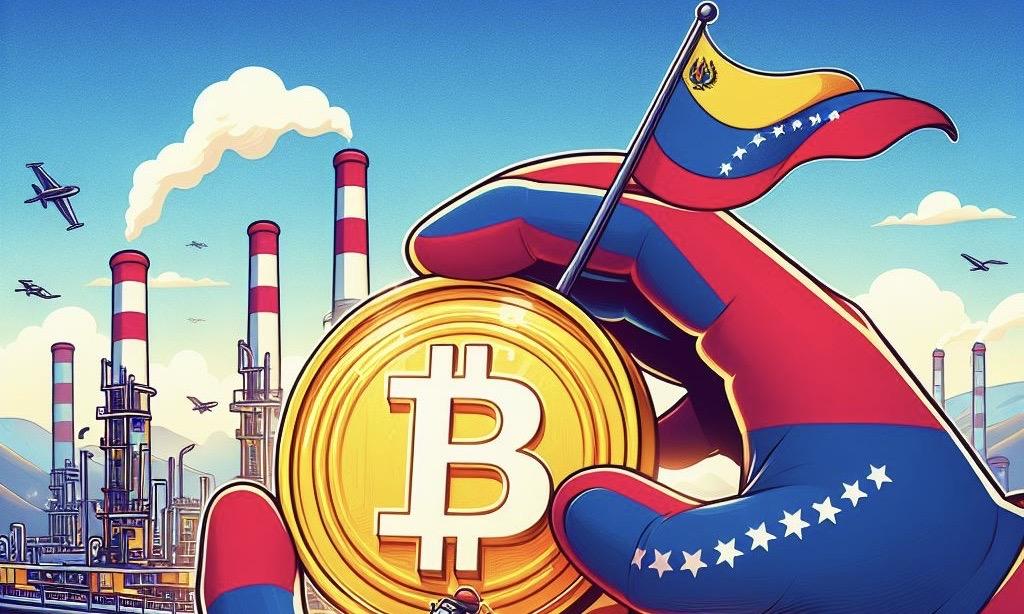
Venezuela's state oil company, PDVSA, is facing renewed US sanctions. To secure its oil trade revenues, it is increasingly turning to cryptocurrency, specifically USDT. This shift is aimed at sidestepping restrictions that threaten to freeze its financial assets abroad.
Venezuela Accelerates Shift to Cryptocurrency in Oil Sales Amid Tightening US Sanctions
Following the non-renewal of a general license, more trade with Venezuela and the United States was allowed. The Treasury has given businesses until May 31 to realign their transactions with PDVSA. According to CoinGape, these changes came when the United States pressed for electoral reforms in Venezuela that had yet to be enacted.
As a result, PDVSA has hastened its shift to digital currency transactions, specifically USDT (Tether). USDT is a stablecoin backed by the US dollar that offers a lower-risk alternative for international transactions.
This strategy shift began in 2023 but has quickly acquired traction since the reinstatement of sanctions. PDVSA hopes that transitioning to a digital model will avoid the complications of traditional banking systems where assets could be taken or restrained, resulting in a more consistent flow of revenue from oil sales.
PDVSA Adopts Cryptocurrency Payments, Encounters Challenges in Global Oil Trade
PDVSA has had to adapt its operational procedures to the cryptocurrency transition. PDVSA now requires a 50% prepayment in USDT for new contracts and spot oil deals, excluding swaps. This change also affects new clients, who must have the cryptocurrency in a digital wallet to conduct transactions with the Venezuelan oil corporation.
However, such activities face hurdles. USDT and other digital currencies in oil trading are uncommon in a global market where the dollar remains dominant. Most traders and compliance teams are cautious about Bitcoin transactions due to their non-traditional character and potential regulatory issues.
Thus, PDVSA frequently relies on middlemen to ensure these transactions occur, particularly when dealing with huge markets such as China.
The global oil market is monitoring PDVSA's operational reforms closely. Although the use of cryptocurrencies in oil transactions is not widespread, Venezuela's choice may establish a precedent for other countries facing similar economic constraints.
Nonetheless, the project will only be successful if digital currency is embraced in international trade, particularly in major oil-consuming countries.
Venezuelan oil minister Pedro Tellechea is hopeful about the country's trading potential and capacity to deal with new sanctions. He stated that Venezuela would continue to sign contracts and expand petroleum and gas projects during the wind-down period set by the US and that it would seek individual oil transaction permits after that.
Photo: Microsoft Bing







