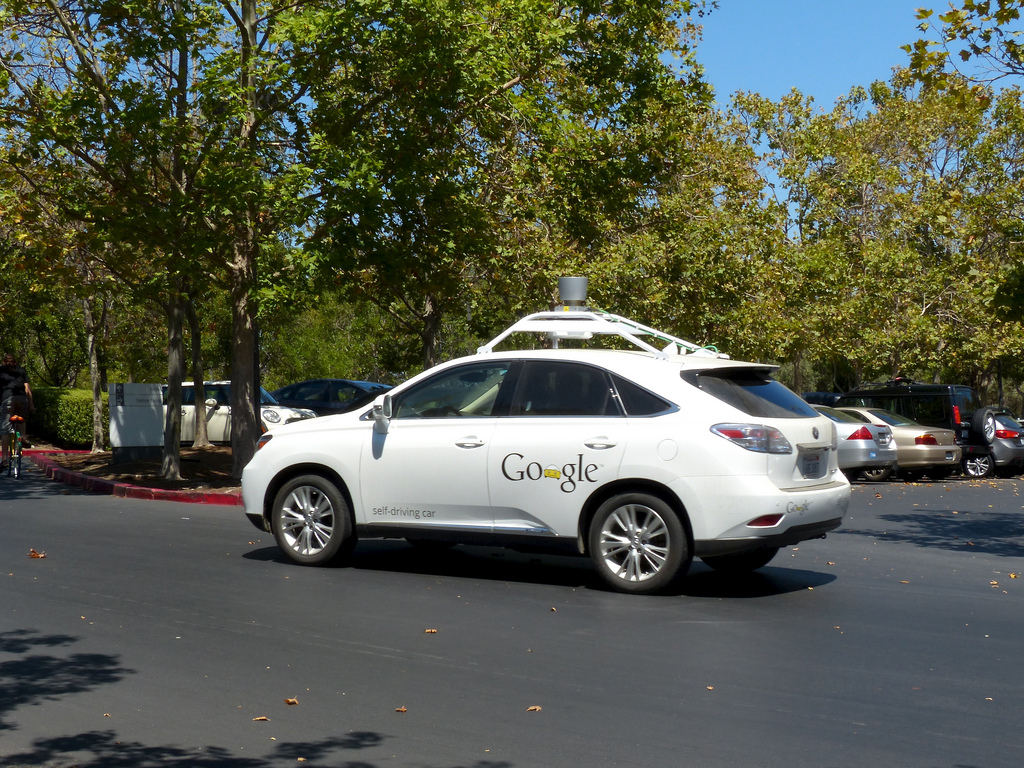
Waymo, formerly known as Google Car, has only been an independent company for a little over a month. However, its prospects in becoming the premier provider of autonomous driving technology are considerable. During the Automobili-D, the company announced that it has created an automated driving stack, which includes a suite of advanced vehicular sensors and processing system. Waymo also shared data on its road tests, highlighting the significant progress made over the years.
Waymo CEO John Krafcik made the announcement during the event, saying that all of the items included in the automated driving stack were all designed and produced by the company in-house, Forbes reports. This effectively made Waymo a manufacturer of automated driving technology, all in the hopes of creating what it considers to be a better driver.
The company already provided the world with a glimpse of vehicles driving with the driverless package installed with the Chrysler Pacific hybrid fleet that was revealed last month. The sensors and software that the vehicles are equipped with have been optimized for completely autonomous driving by Waymo as well.
"We have to build our own self-driving hardware and software," Krafcik said.
Just to drive the point that the company is advancing its self-driving technology at a steady pace, Waymo also released data on its road-tests. According to the results, the company saw significantly fewer disengagements compared to 2015, Bloomberg reports.
Disengagements are basically when the human drivers standing by are forced to take back control from the car, which actually didn’t happen a lot. In 2015, disengagements accounted for only 341 disengagements during a total number of 424,331 miles traveled with the self-driving feature activated. This boiled down to disengagements sitting at 0.8 times for every one thousand miles. In 2016, that number went down to 0.2.
"As our software and hardware becomes more robust through our testing, we’re driving this number down further," Krafcik said.