


 Add as a preferred source on Google
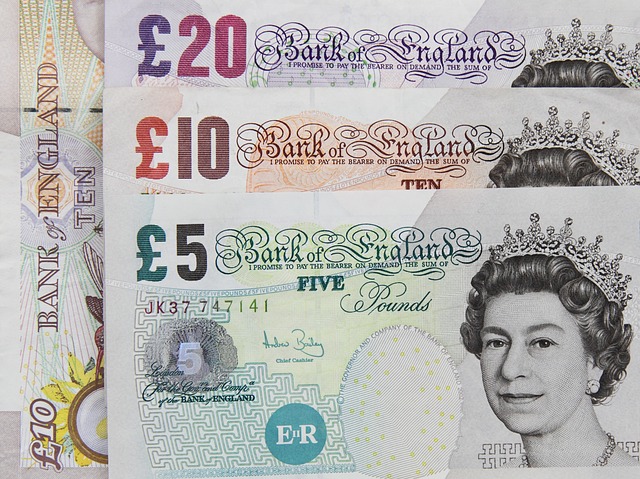
Pound has dropped to lowest level not seen since the crisis of 2008/09, however unlike Japan, weak Sterling may not act as boost to FTSE 100. UK's share in global manufacturing isn't that high when compared to Germany, Japan and China. UK's services are more critical, compared to its manufacturing sector, however that sector is less correlated to exchange rate and more towards global growth.
So FTSE 100 is more exposed to the peril of commodity selloffs than benefits of weaker exchange rates.
Capital Economics explains -
From Capital Economics....
"It might seem surprising that the UK stock market has outperformed its peers recently, given the ongoing pressure on commodity prices. After all, the share of firms listed in the oil & gas and basic materials sectors is relatively large in the UK (13%, compared to 10% in the euro-zone, 9% in the US and 6% in Japan). This can largely be explained by the weakness of sterling - in US dollar terms, the UK stock market has underperformed other major developed stock markets since the pound's recent peak in mid-November.
"This year, we forecast sterling to depreciate further against the US dollar, although not against the euro and the yen. Meanwhile, we expect commodity prices to recover. Against this backdrop, we think equities in the UK will outperform those in the US, but not those in the euro-zone and Japan.
On a trade-weighted basis, sterling has fallen around 5% since mid-November, making it the worst performing major currency bar the Canadian dollar over this period. Sterling's weakness seems largely due to a reassessment of the prospects for monetary policy in the UK relative to its trading partners, prompted by the realisation that a referendum on the UK's membership of the EU could happen as early as June, as well as softer UK economic data. The minutes from Thursday's MPC meeting also gave little indication that the MPC is in any hurry to tighten policy. (See UK section below.)
Nonetheless, we do not think that sterling weakness will persist, at least on a trade-weighted basis. Admittedly, we expect sterling to depreciate further against the US dollar, as monetary policy in the US is tightened more than expected this year. But we think sterling will appreciate against the euro in 2016, as the ECB expands its monthly asset purchases. (For the UK, the euro-zone is a more important trading partner than the US.)
We think a more likely source of support for UK equities is a recovery in commodity prices. Granted, with sentiment so poor, oil prices could yet fall further. But we think that supply cuts will see the price of Brent recover to around $45 per barrel by the end-2016. (See our Energy Update, "A decade of two halves for oil prices", 7th January.) We also think that the prices of industrial metals will climb in 2016.
The upshot is that we forecast the FTSE 100 to rise nearly 20% to 7,000 by end-2016."
FTSE is again down today, by almost 3% as big shot miners are down.
Glencore is down 7%, Anglo American has fallen 6.2%, BHP Billiton down 5.6%, Fresnillo is off 4%, Royal Dutch Shell is down 3.6% and Rio Tinto has fallen 3.4%.







