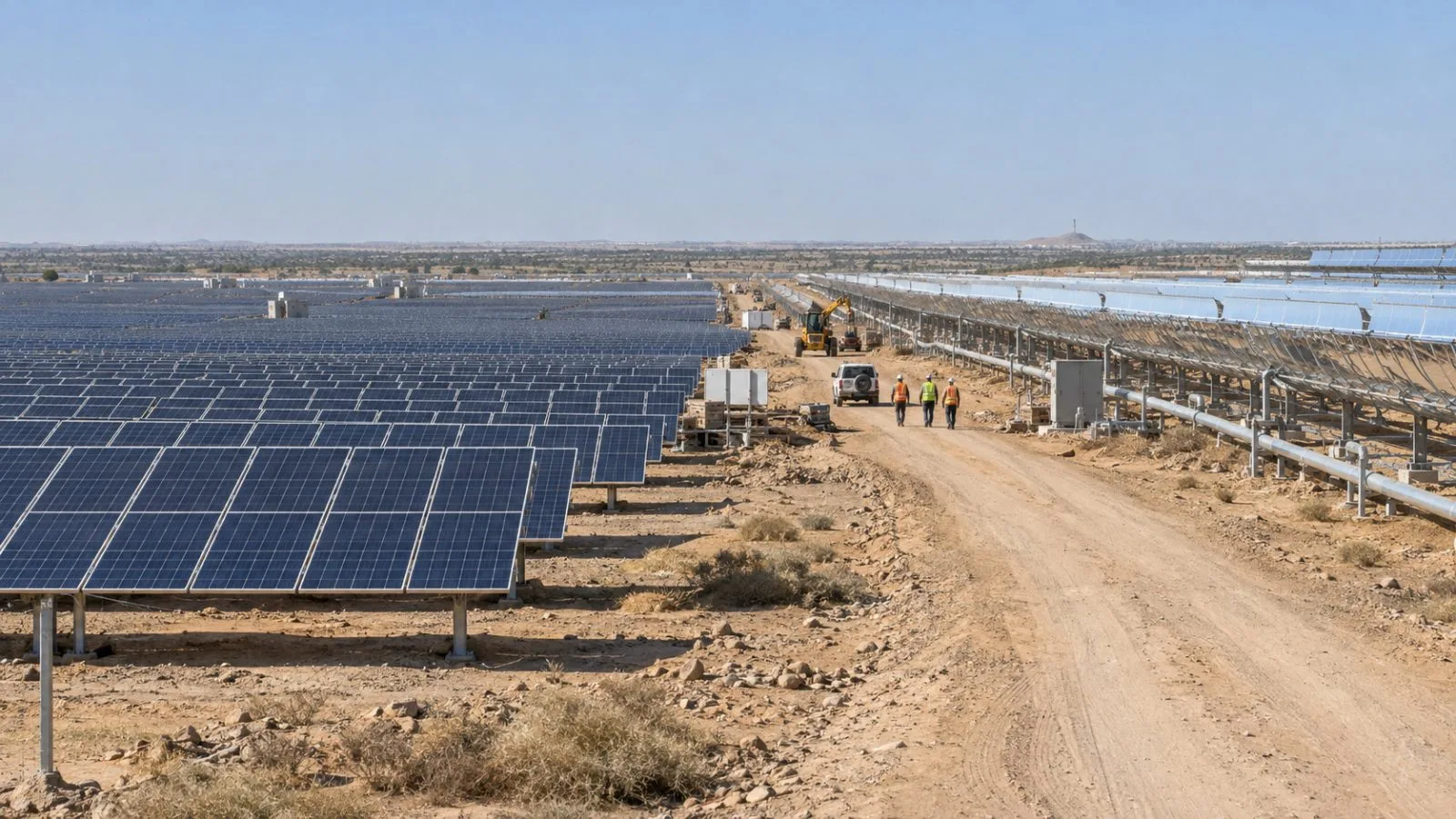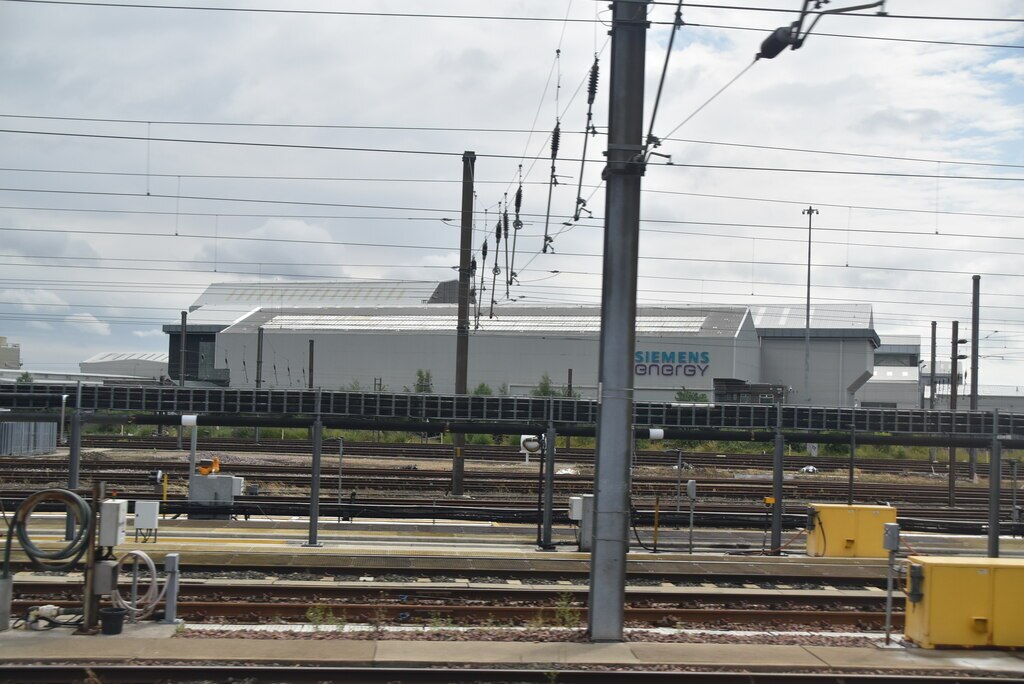
U.S.-based GE Vernova and Germany’s Siemens Energy are in advanced discussions to supply gas turbines for a massive $7 billion project aimed at restoring Syria’s war-ravaged power sector, according to sources familiar with the talks. The initiative, one of the largest reconstruction efforts since the end of Syria’s 14-year civil conflict, follows a landmark agreement signed in May between Syria and a subsidiary of Qatar’s Power International Holding to construct four combined-cycle gas turbine plants with a total capacity of 4,000 megawatts, plus a 1,000-MW solar component.
Both GE Vernova and Siemens Energy are being considered for key contracts, though negotiations remain in early stages and the timeline for final agreements is still uncertain. While details on turbine budgets have not been disclosed, sources noted that the discussions could expand beyond turbines to include critical power-grid infrastructure vital for stabilizing Syria’s electricity supply.
A breakthrough deal would position Siemens Energy and GE Vernova among the first Western companies to benefit from Syria’s energy-sector recovery after the U.S., under President Donald Trump, removed most sanctions on Damascus earlier this year. Siemens Energy confirmed that a local delegation recently met Syrian officials to assess short-term opportunities to strengthen the country’s electricity network, adding that the company stands ready to provide technical expertise despite no contracts being finalized.
The reconstruction push gains momentum as Syria, under its new president Ahmed al-Sharaa following the ouster of Bashar al-Assad, realigns its energy partnerships away from Iran. U.S. firms including Baker Hughes, Hunt Energy, and Argent LNG have already signaled plans to support post-war energy exploration and power production.
Years of conflict devastated Syria’s energy infrastructure, slashing domestic natural gas output from 8.7 billion cubic meters in 2011 to just 3 bcm in 2023. Power supply has recently improved due to imported gas from Qatar and Azerbaijan, but the country still faces severe shortages. Meanwhile, UAE-based Dana Gas signed a preliminary agreement with Syria’s state oil company to evaluate the redevelopment of damaged natural gas fields, signaling growing regional interest in the country’s energy revival.