


 Fed Unveils Stablecoin Rules Under GENIUS Act
  Australia Consumer Confidence Plunges as RBA Rate Hike Hits Households


 Add as a preferred source on Google
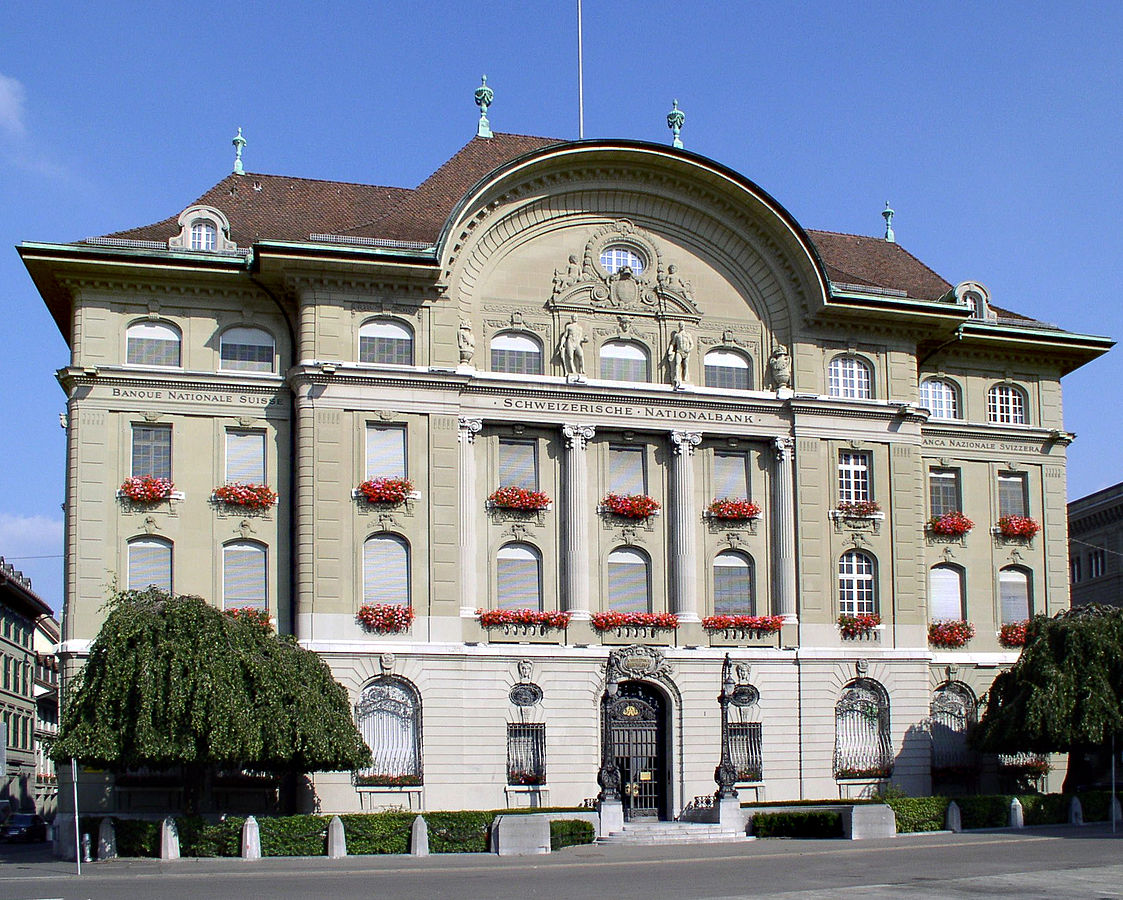
The latest macro-economic data are a little bit better than expected in Switzerland. After the contraction in the first quarter, the second quarter in Switzerland turned out to be much better than expected (0.2% QoQ versus -0.1% median expectation among market participants). This means that Switzerland avoided a technical recession.
Although several volatility indices have increased on the back of the ongoing turmoil in China, the Swiss franc has weakened vis-à-vis its major counterparties. This means that the Swiss currency has lost some of its status as a safe haven. Market participants have probably started to realize that negative yields on their investments are not sustainable in the longer run. The correlation between EUR/CHF and volatility has even become positive.
"Tomorrow the SNB will convene. Rates will very likely remain on hold, but some revisions in the economic outlook could be made. As the first quarter has been better than expected, we do not exclude the possibility that the economic growth forecast (1% in June) for 2015 will be revised slightly upwards", notes Rabobank.
On the other hand, since June the international environment has worsened, mainly stemming from tensions after the weakening of the yuan. Inflation expectations will be revised downwards, mainly due to the fall in oil prices (and other commodities)
In a recent interview on 1 September, SNB president Thomas Jordan said that minus 75 basis points is not the absolute bottom. On 20 August he said that there is no need for policy change, but stands ready to intervene. In the Jackson Hole paper, Thomas Jordan said that Swiss deflationary pressures have different origins than those in countries such as Japan. Indeed, Switzerland is still feeling the pain from the sharp CHF appreciation in recent years. These remarks imply that for the time being the rate on sight deposits will probably not be adjusted and will remain at -0.75%. This is also reflected on money market rates, where the 3x6 Libor rate is currently just below the 3 month Libor rate.
"In summary, we expect a dovish tone from the SNB, with Thomas Jordan repeating that the central bank is ready to do more, if necessary. There is a good possibility that the ECB will expand its future asset purchase programme, which could trigger more action from the SNB by the end of this year. First, via additional asset purchases and at a later stage by employing the interest rate tool (lowering the rate on sight deposits to -1% or even -1.25%)", says Rabobank.







