You buy a new phone case from an online retailer. The phone case arrives safely at your house, the online retailer makes a small profit and everyone is happy.
But the phone case didn’t come from the retailer’s premises. It was sent directly from the manufacturer. The only thing the online retailer did was take your order and organise for the factory to deliver the case to your home.
This is “dropshipping”: where an online seller organises to have purchased products sent to buyers directly from the wholesaler or manufacturer, rather than sending it themselves. Many see dropshipping as, if not their main business, then as a valuable side hustle to help bolster income when the cost-of-living crunch is making it hard to make ends meet.
In other words, the seller doesn’t own a warehouse of products ready for shipping. They’re a middleman. They organise delivery of products to customers without taking physical possession.
Dropshipping may sound like an appealing side hustle to help offset the cost-of-living crunch but there are downsides, too.
So, what do you need to know before you become a dropshipper?
There are pros and cons
Dropshipping has doubled since 2020, and is expected to double again by 2027.
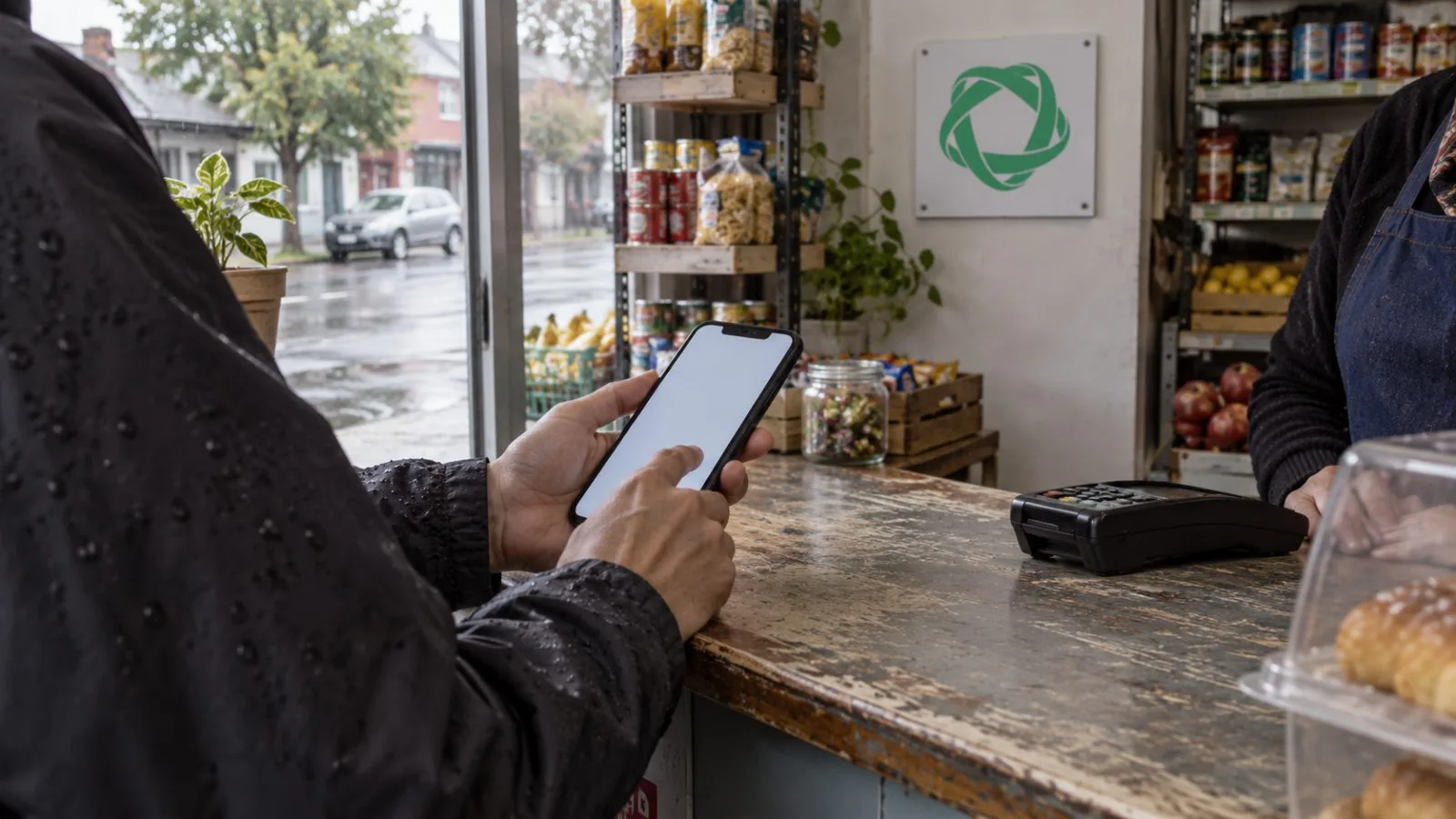
Websites with e-commerce features are also increasingly affordable, and since the barrier to entry for starting a dropshipping business is low, it has become a popular method for making extra money.
Dropshipping eliminates “inventory costs”, which includes things like:
-
buying the products upfront
-
paying warehouse rent, and
-
paying staff to package and ship.
Since dropshippers don’t need to hold any inventory, they’re able to offer a wider selection of products to sell. Low startup costs also make dropshipping more accessible to a wider range of people than traditional businesses.
So dropshipping has clear advantages over traditional methods of selling online – but it’s not all rosy.
The main problem with dropshipping is loss of control over the delivery and fulfilment process.
If a problem with delivery arises, it can be more difficult to resolve. Is the problem with the manufacturer? The warehouse? The delivery service? Sometimes it can be unclear and take longer to address than the customer would like.
This can threaten the seller’s ability to offer superior customer service.
Here are six things worth knowing before you launch into dropshipping as your side hustle.

Websites with e-commerce features are increasingly affordable. Shutterstock
1. Supplier reputation matters
Dropshipping isn’t new – brands in the late 1990s were doing it. But with this maturity has arisen opportunities for fraud.
Counterfeits, knock-offs, and general quality issues are worryingly commonplace in the dropshipping world.
Choose a reputable supplier with clear systems and processes to control product quality and eliminate copyright infringement.
2. Choose a local supplier
To remain competitive, delivery speed is key. If your target audience is in Australia, shipping from foreign soils won’t cut it – the delivery times are too long.
Consumers are willing to wait to receive their products on some occasions, but most of the time consumers want it now.
Choose a local, reputable supplier to minimise delivery times.
3. Don’t assume quality
One of the biggest mistakes dropshippers make is not physically inspecting products before listing them for sale.
Dropshipping enables sellers to offer a wider range, since shelf-space isn’t an issue. But that may tempt you to keep adding new products to the catalogue.
The quality of products from dropshipping suppliers varies considerably, and what looks great on screen might look very different in hand.
Selling poor quality products means more customer service requests, and ultimately consumers start to associate your brand with poor quality.
Always get a new product sent for physical inspection before listing them in your sales catalogue.

Selling poor quality products means more customer service requests. Shutterstock
4. Develop a relationship with your supplier
The best way to resolve potential delivery issues associated with dropshipping is to build a strong relationship with the supplier.
Many suppliers do not offer support services when things go wrong. These suppliers should be treated with caution.
Developing a strong, collaborative relationship with a willing supplier makes service failures easier to deal with.
5. Stand out from the crowd
Doing business online is not easy – all your competitors are just a click or a tap away. Dropshipping is common, and many other websites are selling the same things as you, potentially from the same supplier.
Standing out from the crowd is key. Differentiate yourself from other dropshippers by servicing niche markets and offering superior after-sales support.
6. The customer sets demand
Don’t add more and more products to your catalogue until you’re offering everything under the sun; this sets you up for failure because you end up offering everything to no-one.
Specialisation is key. Find an easily reachable and sizeable audience and stick to what they want, not what you think they want.
Careful attention to sales data will help clarify what it is your customers are telling you they want.