The White House has described recent talks between senior U.S. officials and representatives from Denmark and Greenland as productive, while making it clear that increased European military presence in Greenland will not affect President Donald Trump’s long-standing position on the strategically important Arctic territory. The meeting underscores ongoing diplomatic engagement between the United States, Denmark, and Greenland amid renewed international attention on Arctic security and geopolitics.
White House spokeswoman Karoline Leavitt addressed the issue during a press briefing on Thursday, confirming that the administration plans to continue discussions with both Denmark and Greenland following the latest round of talks. According to Leavitt, the dialogue remains constructive and focused on broader strategic interests, even as the president’s views on Greenland remain unchanged.
Leavitt emphasized that European troop deployments or military activities in Greenland do not factor into President Trump’s decision-making process. She stated that such developments do not alter his objective regarding Greenland, signaling that U.S. interest in the territory is rooted in long-term strategic considerations rather than short-term military dynamics. Her comments suggest that Washington views Greenland through the lens of national security, economic potential, and Arctic influence.
President Trump has repeatedly expressed his belief that Greenland should fall under U.S. control, citing its critical location and resources. In past statements, he has argued that acquiring Greenland would strengthen American security interests in the Arctic region. Notably, Trump has not ruled out the possibility of using force, a stance that has drawn international attention and concern, particularly among European allies.
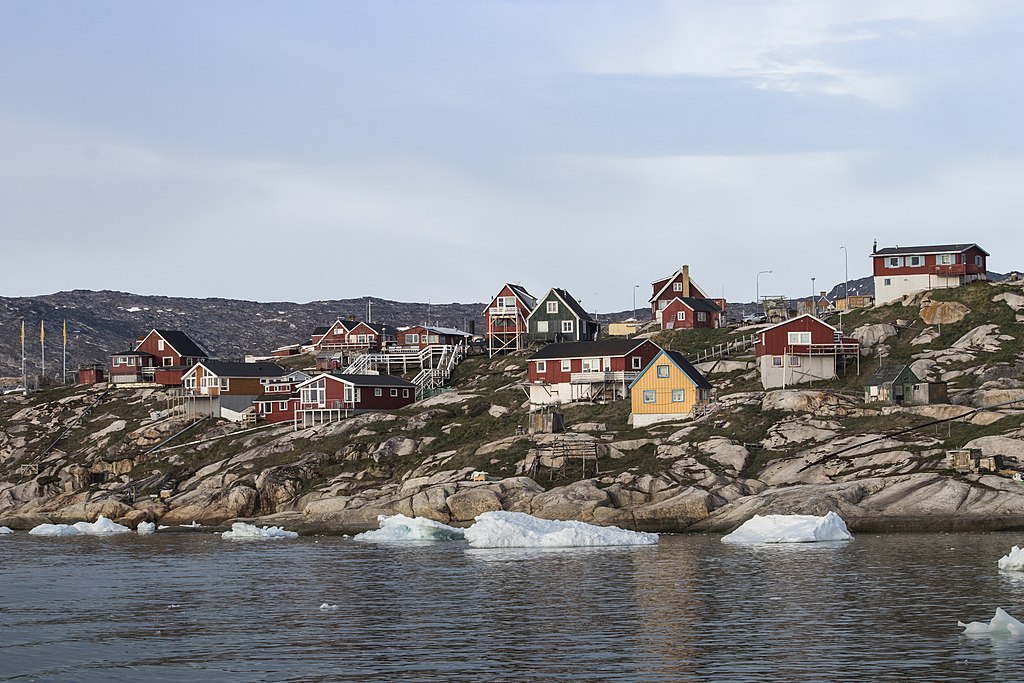
Greenland, an autonomous territory within the Kingdom of Denmark, has increasingly become a focal point in global geopolitics due to climate change, melting ice caps, and emerging shipping routes. As competition among global powers intensifies in the Arctic, the United States continues to signal its determination to play a leading role in the region.
The White House’s characterization of the meeting as productive highlights a desire to maintain diplomatic channels, even as President Trump’s position on Greenland remains firm. Ongoing conversations with Denmark and Greenland are expected as the administration navigates the complex intersection of diplomacy, security, and Arctic strategy.