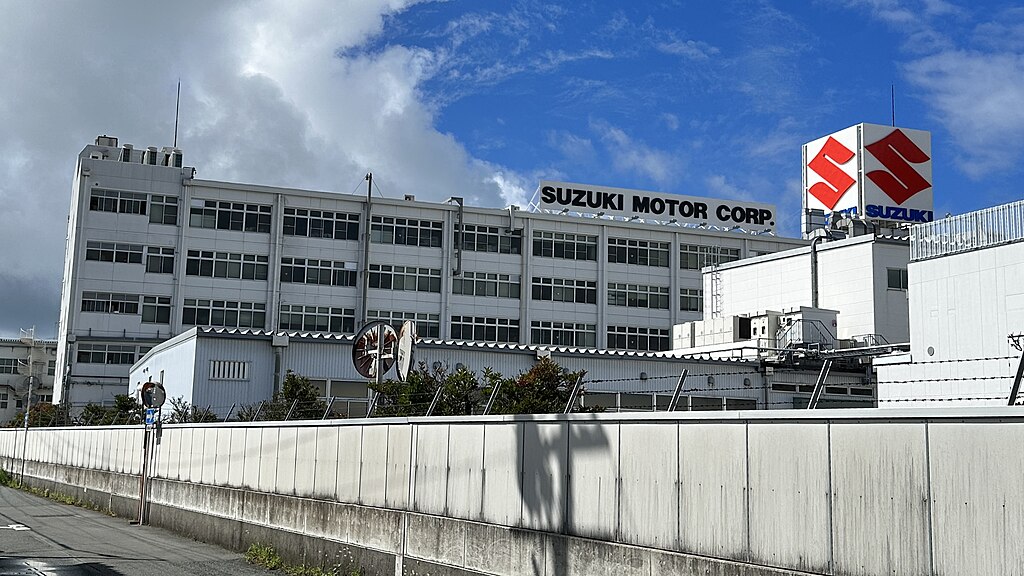
Maruti Suzuki, long the dominant force in India’s automobile market, is facing growing pressure as consumer preferences shift toward SUVs and feature-rich vehicles. The company, which built its reputation on affordable, fuel-efficient hatchbacks, now holds about 39% of India’s passenger vehicle market, down from the commanding levels it maintained for decades.
According to Reuters, Suzuki’s emphasis on affordability slowed its response to changing customer expectations. Indian executives reportedly proposed adding premium features such as sunroofs nearly a decade ago, but Japanese management resisted due to concerns over higher production costs, India’s hot climate, and the company’s long-standing value-focused strategy. Maruti did not introduce sunroofs until 2022, by which time rivals Tata Motors and Mahindra & Mahindra had already made them common across many of their models.
Maruti Suzuki’s corporate affairs head Rahul Bharti said the company was never unwilling to adapt, explaining that decisions balanced customer demand with safety, emissions, climate, and cost considerations. He also attributed the company’s declining market share to shrinking demand for small cars, a delayed SUV rollout, and its decision to discontinue diesel vehicles in 2020.
Despite the market share decline, Maruti Suzuki remains highly profitable. Revenue has more than doubled to about $19 billion over the past five years, while profit has tripled to roughly $1.5 billion. India also accounts for around 60% of Suzuki’s global vehicle sales and nearly half of its overall profits.
To regain momentum, Maruti Suzuki is accelerating product development, expanding research and development operations in India, and giving local teams greater decision-making authority. The automaker aims to reduce development timelines from 48 months to 36 months and plans to launch seven new SUVs by 2030, featuring technologies such as advanced driver assistance systems, larger infotainment displays, and panoramic sunroofs.
However, the company still faces a branding challenge. Many younger Indian buyers increasingly associate Maruti with budget-friendly vehicles, while premium customers are gravitating toward Mahindra and Toyota models that offer modern styling, advanced technology, and a more upscale driving experience.