


 Solidigm Taps Goldman, Morgan Stanley for $10 Billion US IPO
  OpenAI Annualized Revenue Hits $50 Billion, Below Earlier Estimates
  Apple Names Steve Smith M&A Chief in Leadership Shakeup
  Amazon in Talks to Acquire AI Startup Decart for $7 Billion
  Epic Games Delays Disney Shooter, Shifts to AI-First Development
  Elon Musk Eyes Semiconductor Manufacturing Expansion With $15 Billion Terrafab Project
  Meta Launches Muse Wonder AI Models, Shares Rise 3.7%
  Broadcom, Oracle and SpaceX Seek Billions in Private Debt for AI Expansion
  Samsung Q3 Profit Hits Record High on AI Memory Demand
  Apple Supplier Luxshare Faces US Patent Probe, Sees Limited Impact
  OpenAI Revenue Hits $50 Billion, Below Earlier $70 Billion Estimate
  Robinhood Chain Eyes Priority Gas Auctions for Faster Trades
  Jameson Lopp Downplays AI Threat to Bitcoin Cryptography
  Zcash Plans Quantum-Resistant Security Upgrade for January
  Amazon Cuts More Jobs as AI Investment Expands
  TSMC Q3 Revenue Beats Estimates as AI Chip Demand Surges
  Arthur Hayes Announces FLOP Testnet Launch Within Weeks


 Add as a preferred source on Google
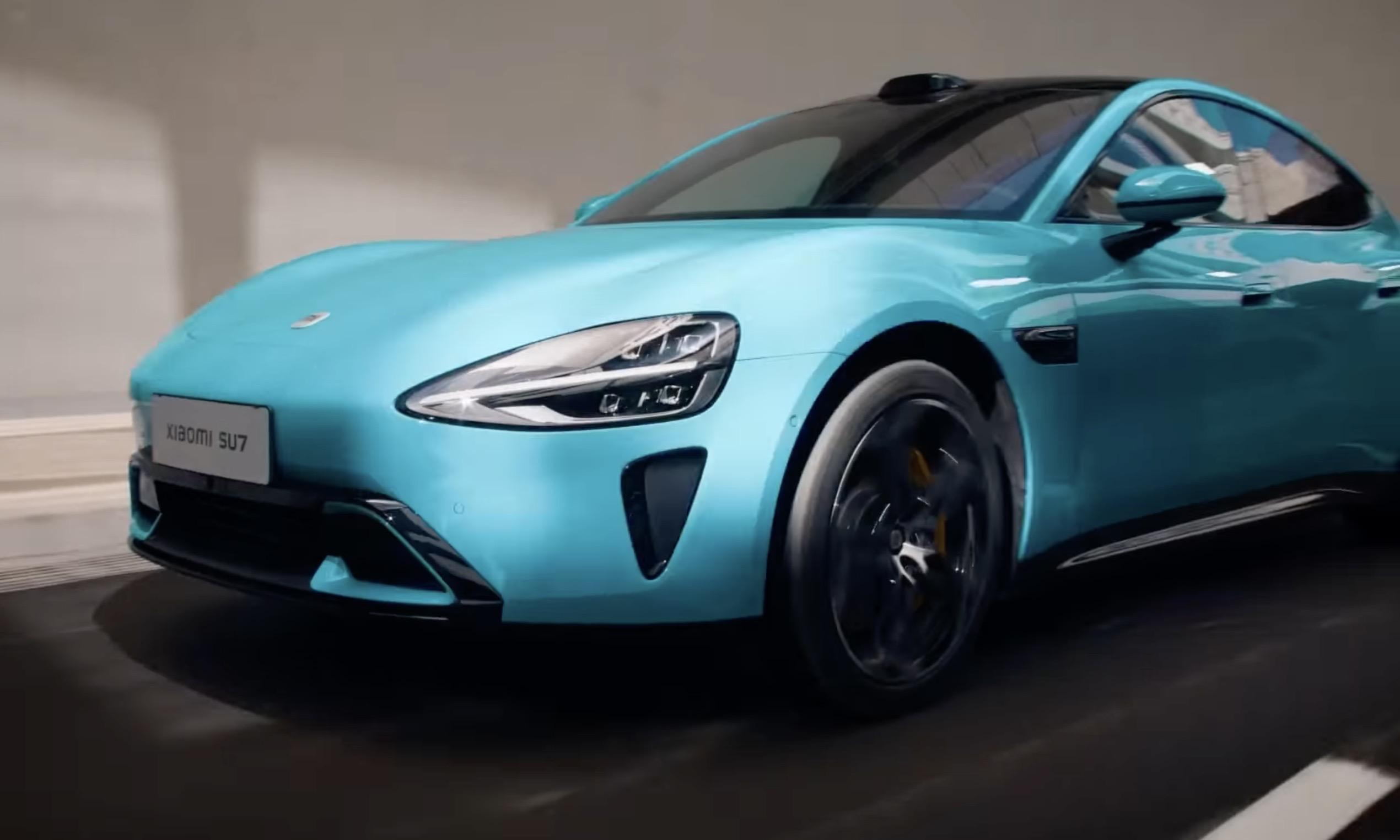
A Xiaomi SU7 was involved in its first significant accident, clashing with a Mercedes-Benz and causing extensive damage, amid discussions on its new power-saving features that cap speeds and reduce AC usage.
Significant Damage Reported in Xiaomi SU7's First Accident; No Serious Injuries Sustained
In a recent report by Gizmochina, the images show significant damage to both vehicles. The Mercedes-Benz, which appears to be white, suffered a completely shattered right headlight, a bulging hood, and deformation of the front bumper and air intake grille.
The Xiaomi SU7, which took the brunt of the impact on its right side, sustained two damaged doors and deployed airbags.
"Big Lizi Qiqili," a well-known social media influencer in China, clarified that he owned the Xiaomi SU7 and that a colleague was filming when the accident occurred. He stated that both vehicles had green lights and that the traffic police assigned full responsibility to his driver.
After the accident, the blogger updated the car's condition. They said an emergency call was immediately placed from within the car to confirm the situation. The airbags had inflated, but no interior accessories appeared to have fallen off.
Furthermore, the rear flat panel remained intact, the door handles worked properly, and the doors opened without incident.
A later update confirmed that the SU7 had been taken to an after-sales service center for repair. Fortunately, neither the driver nor the other person involved in the accident sustained serious injuries. The blogger concluded by reminding everyone to prioritize safety when driving.
Xiaomi SU7 Enhances Long Journeys with New Super Power-Saving Mode and Driver Alertness System
Xiaomi Auto held another "Q&A program" session to address user questions about the Xiaomi SU7 electric vehicle. According to the company, the SU7 prioritizes long journeys with its Super Power-Saving Mode. When the estimated range falls below 50 kilometers, the car prompts you to activate this mode, which maximizes battery life. Manual activation and deactivation options are also available.
According to a source, Super Power-Saving Mode cuts power consumption by limiting functionality. This includes a maximum speed of 90 kilometers per hour, smoother acceleration, and reduced air conditioning performance. Comfort features such as heated seats, steering wheels, ambient lighting, and heated mirrors are also turned off.
To save even more energy, the mode disables intelligent driving assistance, parking functions, entertainment systems, and the car refrigerator. Super Power-Saving Mode deactivates automatically when the estimated range exceeds 300km. Drivers can also temporarily exceed the speed limit for short periods if necessary.
The SU7 also includes a camera between the steering wheel and the instrument screen to monitor driver alertness. This camera can detect signs of fatigue or distraction, such as closed eyes, head turns, or phone use.
If fatigue or distraction is detected, the system provides voice warnings and on-screen reminders to refocus on driving. Xiaomi assures users that the system only analyzes driver behavior within the vehicle and does not record or transmit image data externally. Users who do not require the driver fatigue/distraction reminder can disable the function or the camera itself via the car's central control screen.
Photo: Xiaomi/YouTube Screenshot







