


 Yandex Data Center Hit by Drone Strike as Russia-Ukraine Cyber Infrastructure Attacks Escalate
  Samsung, SK Hynix Shares Fall as China's CXMT Advances DRAM Technology
  Visa Wins China Approval to Prepare Domestic Payments Expansion
  Hong Kong’s Second Solana ETF Launches With Lower Fees
  Robinhood Chain Eyes Priority Gas Auctions for Faster Trades
  Binance to Shut Down Crypto Mining Pool Services on November 10
  Coinbase CEO Backs SEC Accredited Investor Reform
  Ethereum Foundation-Linked Wallets Move $11.13M in ETH to Kraken
  Apple Names Steve Smith M&A Chief in Leadership Shakeup
  Arthur Hayes Announces FLOP Testnet Launch Within Weeks
  Syndax Stock Drops 15% After Axatilimab Trial Failure
  Moonshot AI Executives Seek Settlement Ahead of Hong Kong IPO
  Elon Musk Eyes Semiconductor Manufacturing Expansion With $15 Billion Terrafab Project
  Tencent Shares Fall as $5 Billion AI Bond Sale Weighed
  Amazon Cuts More Jobs as AI Investment Expands
  Nvidia’s China AI Chip Market Share Falls to 34% as Huawei Gains Ground
  Orsted to Take Full Ownership of UK Offshore Wind Farm for £15 Million


 Add as a preferred source on Google
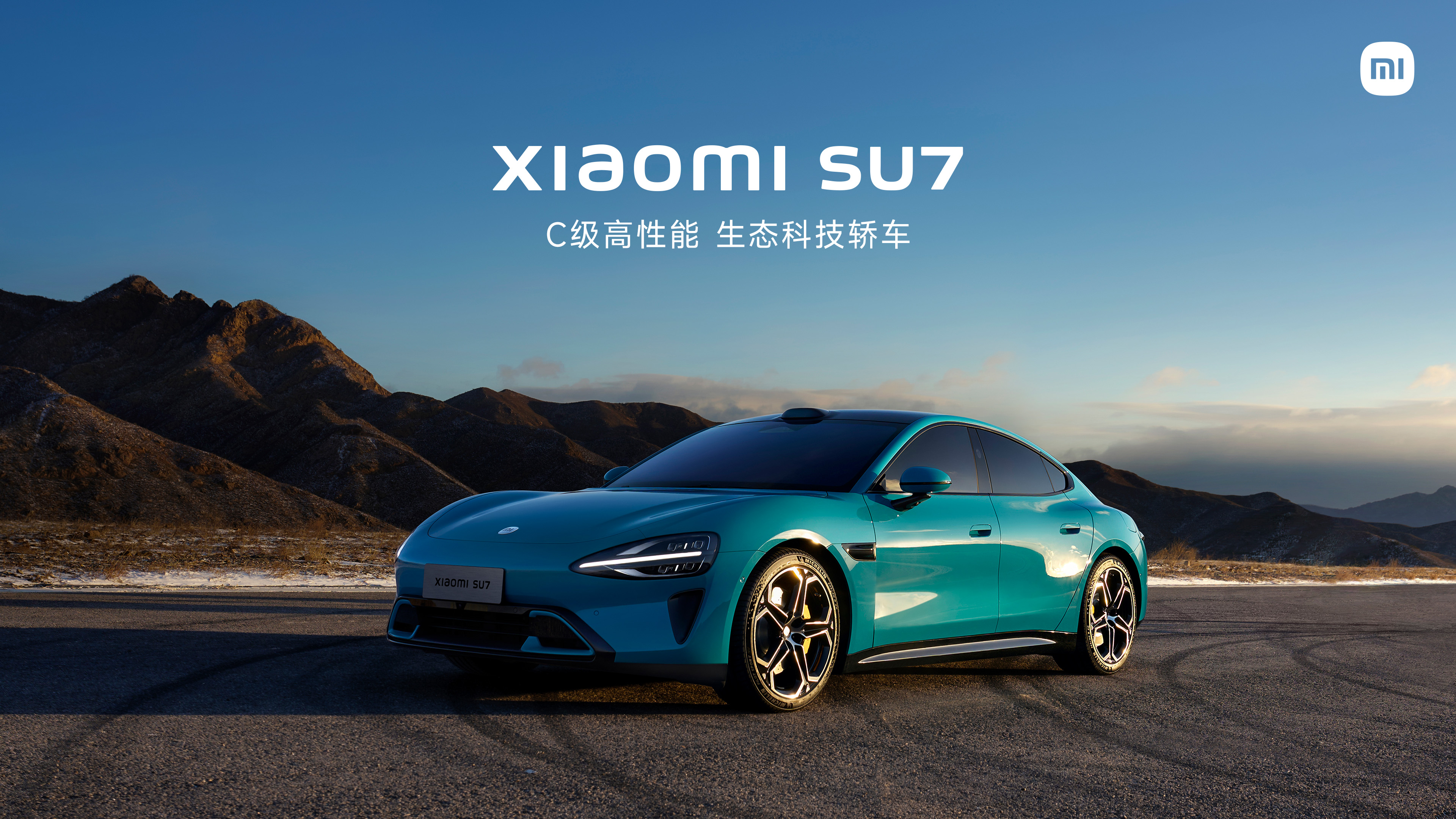
In a striking entry into the electric vehicle market, Xiaomi's debut electric car, the SU7 sedan, has rapidly caught the attention of consumers in China, with nearly 89,000 orders flooding in just a day after its unveiling.
This surge of interest pits the newcomer directly against Tesla's Model 3, highlighting Xiaomi's ambitious move from smartphones to the roads.
Xiaomi's Market Disruption with SU7
Launching its first electric sedan, the SU7, Xiaomi has swiftly made headlines, mirroring the excitement typically reserved for its tech gadgets.
Xiaomi's Weibo shared (via Teslarati) that it received 88,898 orders within 24 hours, underscoring its appeal as a Tesla Model 3 rival. Eager consumers are now flocking to Xiaomi stores across China for a firsthand look, encouraged by the opportunity to test drive the new electric marvel.
Xiaomi's strategy for the SU7 involves a RMB 5,000 ($700) deposit, making the initial commitment accessible to potential buyers. This approach is complemented by a flexible refund policy, allowing cancellations within seven days and enhancing customer trust.
Consumer Frenzy and Xiaomi's Strategic Moves
The enthusiasm around the SU7 is palpable. Social media buzzes with images of packed Xiaomi stores and long queues eager to glimpse the electric sedan.
This overwhelming consumer interest has led to an impressive milestone for Xiaomi: selling out its SU7 production capacity for 2024, with 120,000 orders already placed, according to EV industry analyst @jas0nyu.
Xiaomi's electric vehicle debut is a testament to its brand strength and a significant indicator of shifting consumer preferences toward electric mobility. With this early success, Xiaomi is challenging Tesla's dominance and marking its territory in the global transition to sustainable transportation.
As Xiaomi transitions from smartphones to sedans, its journey into electric vehicles is promising. It will stir the market and signal a future where technology and transportation converge more seamlessly than ever.
Photo: Xiaomi Global







