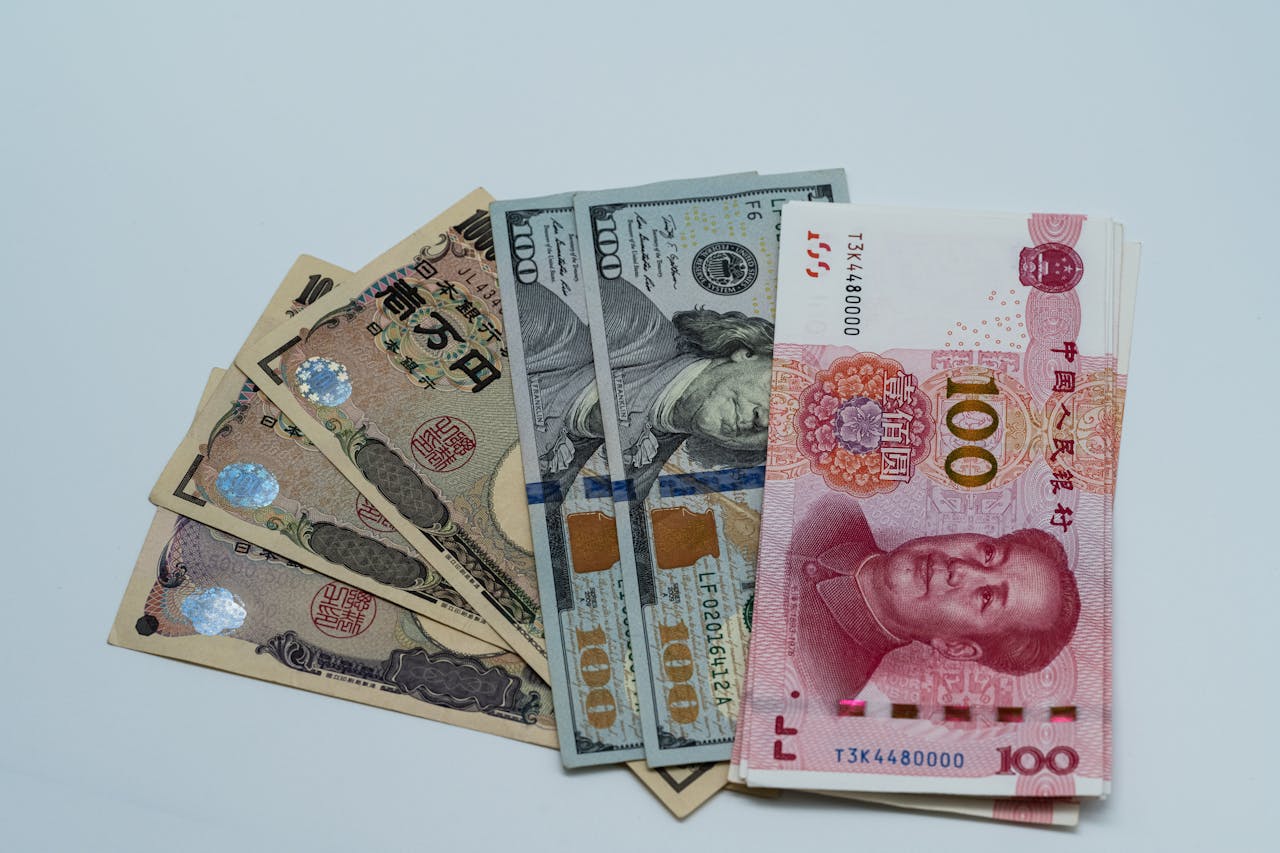
The Japanese yen began the week slightly weaker against the U.S. dollar after posting its strongest weekly gain in more than a year. The currency eased 0.2% to 153.07 per dollar in early Monday trading, following a nearly 3% surge last week driven by easing fiscal concerns and political stability in Japan. Prime Minister Sanae Takaichi’s decisive election victory initially sparked fears of pressure on Japanese government bonds and the yen, but both instead rallied as investor uncertainty declined.
Market analysts say renewed confidence in Japan’s political landscape has encouraged long-term investors to re-enter the market. Higher Japanese bond yields, alongside growing interest in the Nikkei index, have fueled what traders are calling the “Buy Japan” trade. However, Japan’s economic growth remains fragile. Official data showed the economy expanded at an annualized pace of just 0.2% in the October–December quarter, highlighting ongoing challenges for policymakers.
The weak growth outlook may complicate the Bank of Japan’s monetary tightening plans. The BOJ is scheduled to meet in March, with markets assigning only a 20% probability of a rate hike. Analysts expect the yen to face renewed downward pressure unless the central bank adopts a more aggressive stance. Forecasts from OCBC project the yen could reach 149 per dollar by the end of 2026, assuming two rate hikes this year.
Meanwhile, U.S. inflation data released Friday showed consumer prices rose less than expected in January, reinforcing expectations of Federal Reserve rate cuts later this year. Futures markets are pricing in roughly 62 basis points of additional easing, with a June cut seen as most likely. The dollar index held steady after last week’s decline, while U.S. Treasury yields fell, reflecting shifting interest rate expectations.