


 US Dollar Index Falls as Fed Signals Caution, Indian Rupee Surges
  Gold Prices Rebound as Dollar Weakens Ahead of US Inflation Data
  US Inflation Surges in September, Raising Fed Rate Hike Bets
  Italy’s Meloni Warns US-Russia Diesel Deal Could Weaken Ukraine Sanctions
  Samsung, SK Hynix Shares Plunge as China Chip Competition Grows
  US Dollar Slips From 18-Month High Ahead of Key Inflation Data
  Trump Warns Houthis Over Attacks, Considers Erdogan Intervention
  Zelenskiy Seeks New US Talks to Revive Ukraine-Russia Peace Negotiations
  Zelenskiy Says Ukraine Received No Warning Before Russian Missile Attack
  Container Ship Sinks in Strait of Hormuz as Iran Attacks Escalate
  Gaza Olive Harvest Collapses as War Destroys Farmland
  Trump Denies China, Russia Are Helping Iran in War
  UN Urges Talks on Lebanon Peacekeeping Mission Extension
  Wall Street Falls as Hot US Inflation Fuels Fed Rate Hike Bets
  Trump Defends Russian Diesel Deal Amid US Sanctions Backlash
  China Warns Taiwan Over South China Sea Coast Guard Incident
  Trump Announces Massive Oil and Mineral Exploration Plans in Greenland


 Add as a preferred source on Google
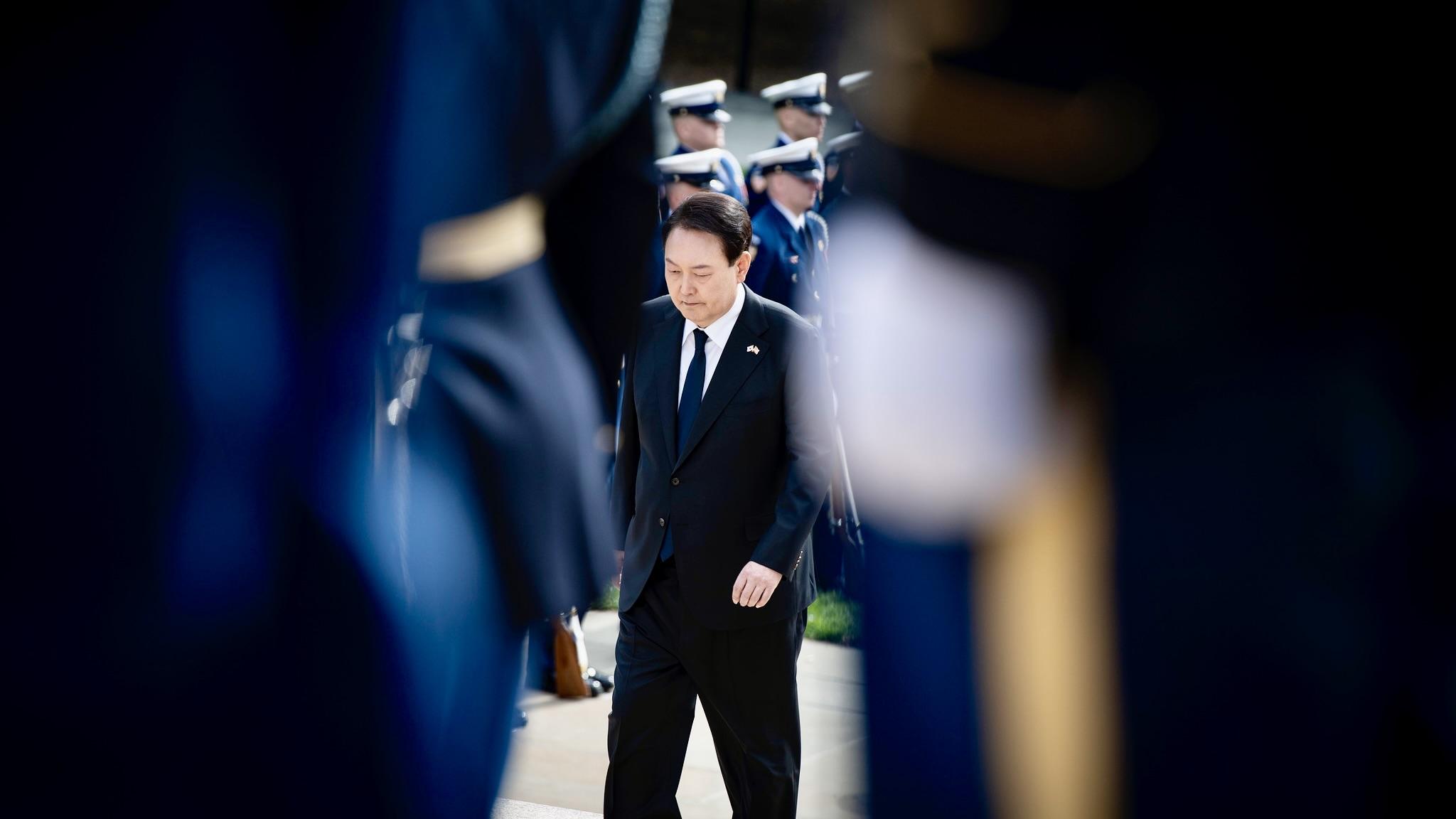
South Korean President Yoon Suk Yeol reversed his martial law order early Wednesday after facing fierce opposition from the National Assembly. The surprise move was declared and rescinded within hours, and it has left the nation questioning the government’s approach to political discord.
National Assembly Ends Martial Law Amid Political Turmoil
According to Yonhap News Agency, the National Assembly decided to end emergency martial law early Wednesday, and South Korean President Yoon Suk Yeol announced the lifting of the ban shortly after. The United States expressed "grave concern" over the political theater that had been going on for hours.
Approximately six hours after he unexpectedly declared a national emergency, accusing the opposition of "paralyzing" the government with "anti-state" actions, his Cabinet voted to cease martial rule enforcement at 4:30 a.m., a decision that sent shockwaves throughout the nation and the world.
A return to normalcy has been announced by the Joint Chiefs of Staff, as the troops that were mobilized to implement martial law have now returned to base.
Yoon Defends Emergency Measures as Necessary for National Stability
"At 11 p.m. last night, I declared emergency martial law with my resolute intent to save the nation in the face of anti-state forces that attempt to paralyze the nation's essential function and the constitutional order of free democracy," stated the president.
"But there was a demand from the National Assembly for the lifting of martial law, (I) have withdrawn troops mobilized to execute martial law affairs," he explained.
Yoon has asserted time and time again that the National Assembly is engaging in "outrageous" actions, such as attempts to impeach government leaders, that he claims impede national functions.
Declaration Sparks Domestic and International Concern
The proclamation of martial law was a shocking development that had far-reaching consequences. Officials from the United States have conveyed their "grave concern" and emphasized the hope that any "political" conflicts in South Korea can be resolved "peacefully."







