


 Gold Prices Mixed Ahead of US Inflation Data and Fed Rate Outlook
  Trump Defends Russian Diesel Deal Amid US Sanctions Backlash
  China Resumes US Soybean Purchases After Trump-Xi Summit
  Italy’s Meloni Warns US-Russia Diesel Deal Could Weaken Ukraine Sanctions
  Gaza Olive Harvest Collapses as War Destroys Farmland
  Asian Stocks Fall as Oil Prices Rise Ahead of US CPI Data
  Wall Street Closes Lower as Bank Earnings and AI Concerns Weigh
  US Inflation Surges in September, Raising Fed Rate Hike Bets
  Samsung, SK Hynix Shares Plunge as China Chip Competition Grows
  S&P 500 Futures Rise Ahead of US Inflation Data and Bank Earnings
  US Dollar Hits 18-Month High as Inflation Fuels Fed Rate Hike Bets
  IMF Maintains 2027 Global Growth Forecast at 3.4% Amid Rising Risks
  Oil Prices Surge Above $106 After Deadly Saudi Airport Attack
  RBA Signals More Rate Hikes as Inflation Risks Rise
  Container Ship Sinks in Strait of Hormuz as Iran Attacks Escalate
  China Bank Lending Rebounds in September, Beats Forecasts
  IMF Warns US Debt Crisis Needs Fiscal Action, Urges China to Boost Consumption


 Add as a preferred source on Google
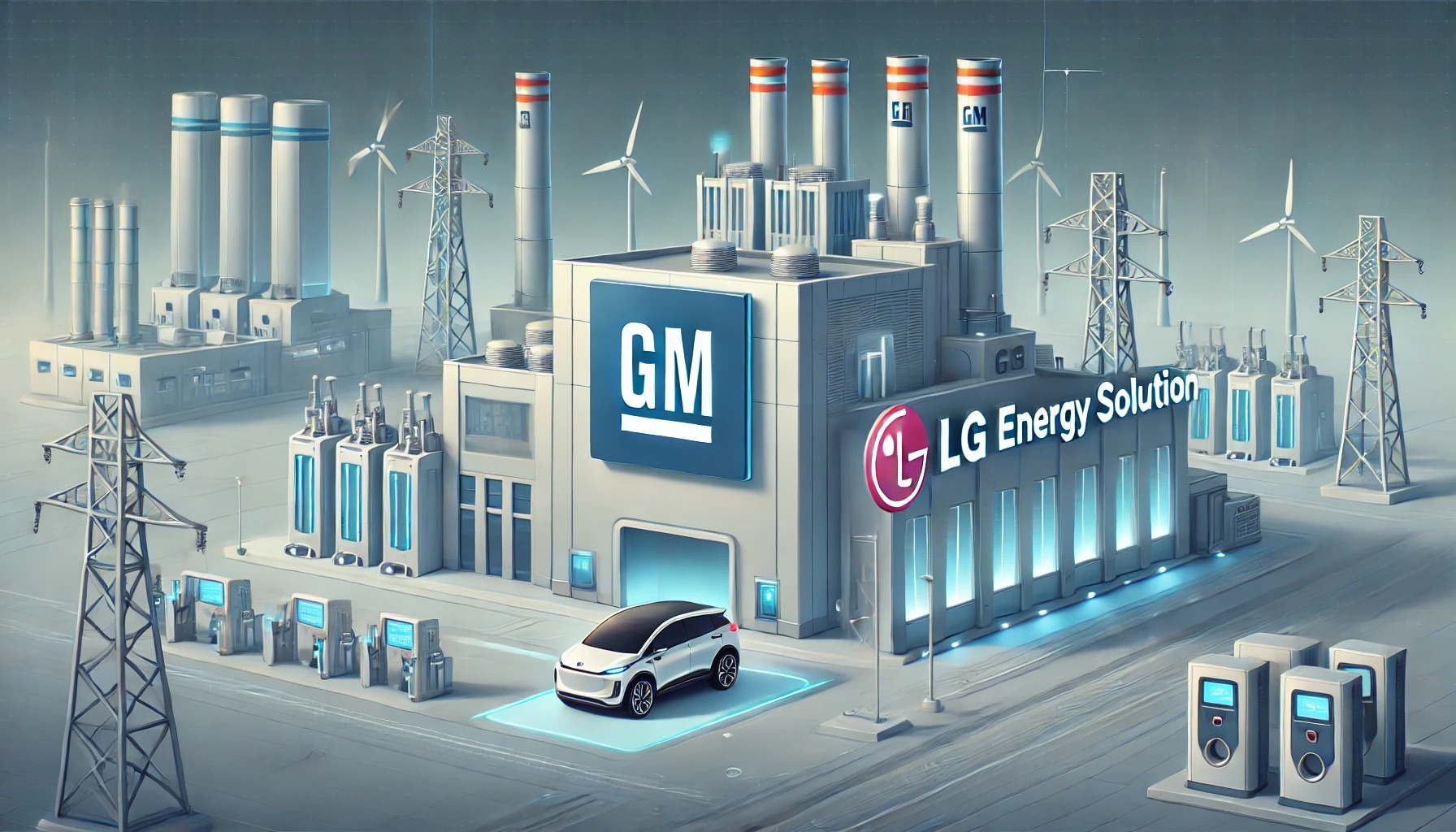
General Motors will sell its Michigan battery plant stake to LG Energy Solution as part of a significant pivot in its electric vehicle plans. The deal highlights GM’s evolving approach to the EV market, emphasizing efficiency and adaptability in uncertain times.
GM Sells Stake in Lansing Battery Plant to LG Energy Solution
As the Detroit carmaker pares down its electric vehicle aspirations, General Motors announced on Monday that it will sell its stake in its joint venture battery plant in Lansing, Michigan, to partner LG Energy Solution, according to Reuters
An individual with knowledge of the situation estimated that GM will get back around $1 billion from its investment in the plant.
There will be no change to its ownership part in the Ultium Cells joint venture, which runs battery operations in Tennessee and Ohio; the deal is slated to finalize early next year.
The largest American carmaker recently announced that an unnamed new customer will be served by the nearly finished plant. General Motors has announced that their Lansing facility is on pace to fulfill its employment obligations, with nearly 100 individuals on staff at present.
GM Shifts Focus in Evolving EV Market
"We believe we have the right cell and manufacturing capabilities in place to grow with the EV market in a capital efficient manner," stated Paul Jacobson, GM's chief financial officer.
In an announcement, LG Energy Solution stated that it is now evaluating the possibility of purchasing the Ultium Cells facility in Lansing "to improve investment and operational efficiency and maximize operating rates of plants in North America."
There is a lot of doubt over the future of customer tax credits and EV battery manufacture, which is why GM made this disclosure. According to a report by Reuters this month, the transition team of President-elect Donald Trump is determined to eliminate the $7,500 consumer tax credit for electric vehicle purchases.
Reduced EV Goals Reflect Market Challenges
General Motors has reduced its electric vehicle ambitions within the past year.
General Motors lowered its electric vehicle production projection for 2024 in June, and CEO Mary Barra stated in July that the company would not manufacture 1 million EVs in North America by the end of 2025 "just because the market's not developing but it will get there."
General Motors said in 2023 that a Michigan plant would postpone electric pickup vehicle production for one more year.
Battery Innovation Remains a Priority
In a separate announcement, General Motors and LG Energy Solution began developing prismatic cells as part of their expanded 14-year collaboration in battery technology, Investing.com shares.
Prisma cells, which potentially reduce the weight and cost of electric vehicles, will be manufactured in Indiana by South Korean company Samsung SDI, with which General Motors concluded a separate agreement in August.







