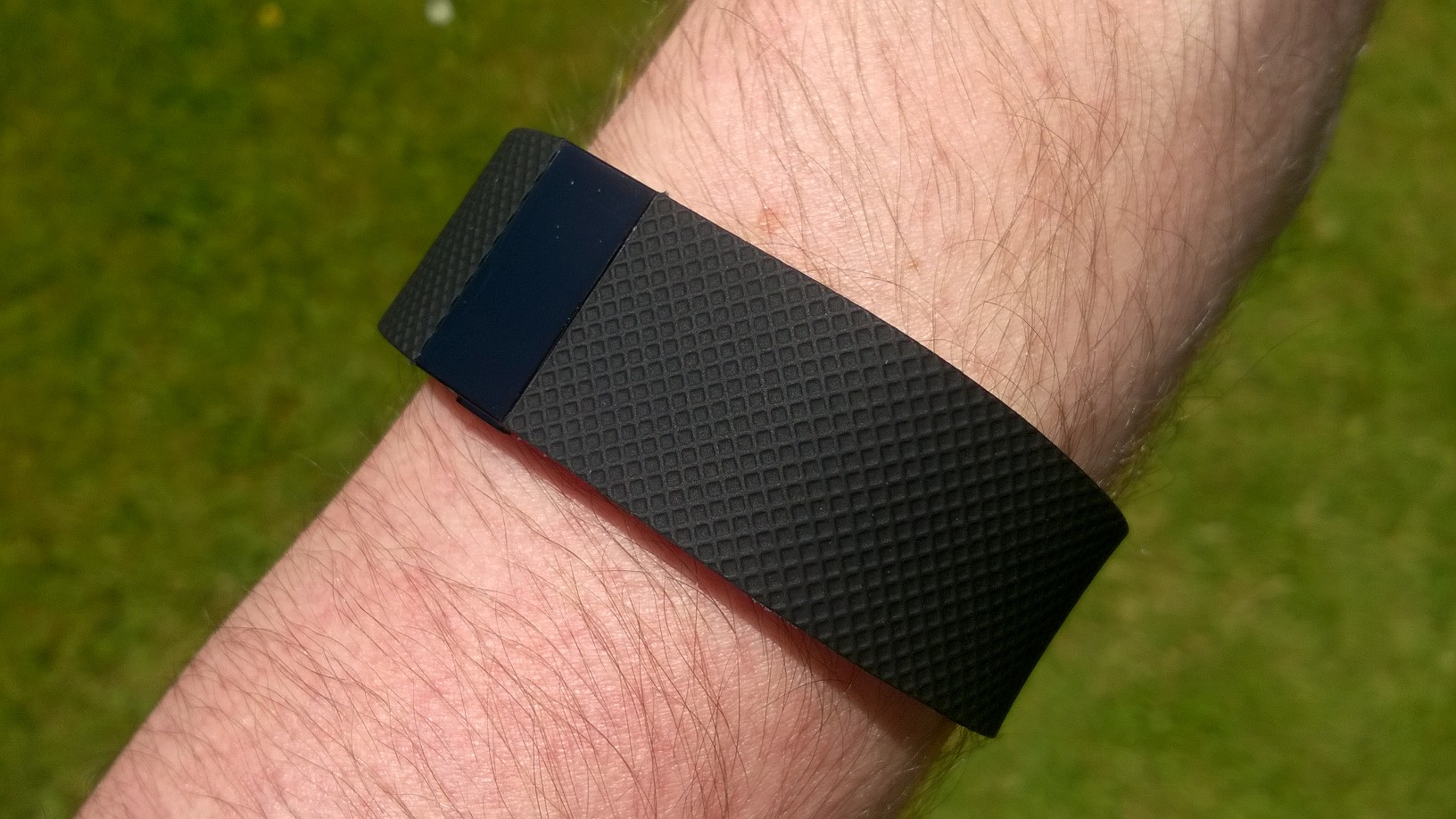
Secondary school pupils are not keen on digital fitness trackers being used in physical education, according to our latest research. Wearing a Fitbit for eight weeks reduced pupils’ motivation to be physically active and made some pupils feel fat.
It is important to find new ways to motivate young people to be physically active, given that regular exercise is important for physical and mental well-being. Health apps and wearable trackers may provide new opportunities for physical activity, especially if they are seen as a status symbol, as some reports suggest. However, little is known about how young people use these devices, their perspectives on them, or how it motivates them to be active.
For our study, we recruited 100 pupils, aged 13 to 14 from two UK schools. Participants were given a fitness tracker to wear on their wrist for eight weeks. To see if the participants’ physical-activity motivation changed as a result of wearing the device, they were asked to complete a questionnaire before and after the eight-week period.
The participants also took part in a focus group interview at the end of the study, where they were given the opportunity to talk about how they found wearing the fitness tracker. They discussed a number of things in the interviews such as what they liked or disliked about wearing the device, how the device made them feel and what features of the device they used the most. They were also asked whether they felt the device made them more or less physically active.
Demotivating
The results showed that after eight weeks, the pupils’ motivation for physical activity decreased. The pupils said that initially the fitness tracker encouraged them to be more active, but after four to five weeks their motivation declined.
Their reasons for taking part in physical activity also changed. For example, after the eight weeks, more pupils reported taking part in physical activity because they felt pressurised. When wearing the device, they took part in physical activity through feelings of guilt or through pressure to beat their friends’ step count, or achieve 10,000 steps.
Wearing the device made some pupils lose confidence in their physical ability. Others said the device made them feel fat and uncomfortable.
Pupils were aware that the fitness tracker only made a few people feel good about themselves, for example, those people that were already active and could easily achieve their activity goals, such as completing 10,000 steps in a day.
The pupils said that fitness trackers should not be used in PE lessons. They felt it might make some of the less able students feel bad about themselves if they didn’t achieve certain criteria, such as step count. They were also worried that they would be punished if they didn’t meet 10,000 steps and therefore felt that it would be unfair if it was introduced as a teaching aid.
Our research shows that just because young people are the biggest users of digital technologies, doesn’t mean that health apps and devices will be effective health promotion tools. Fitness trackers are marketed as devices that help increase motivation to be more active, but our study suggests that we need to be mindful of the type of motivation these devices create. If they only achieve short-term motivation, brought about by feelings of guilt, perhaps they are best avoided.
 Charlotte Kerner receives funding from Richard Benjamin Trust.
Victoria Goodyear receives funding from Richard Benjamin Trust.
Mikael Quennerstedt does not work for, consult, own shares in or receive funding from any company or organization that would benefit from this article, and has disclosed no relevant affiliations beyond the academic appointment above.