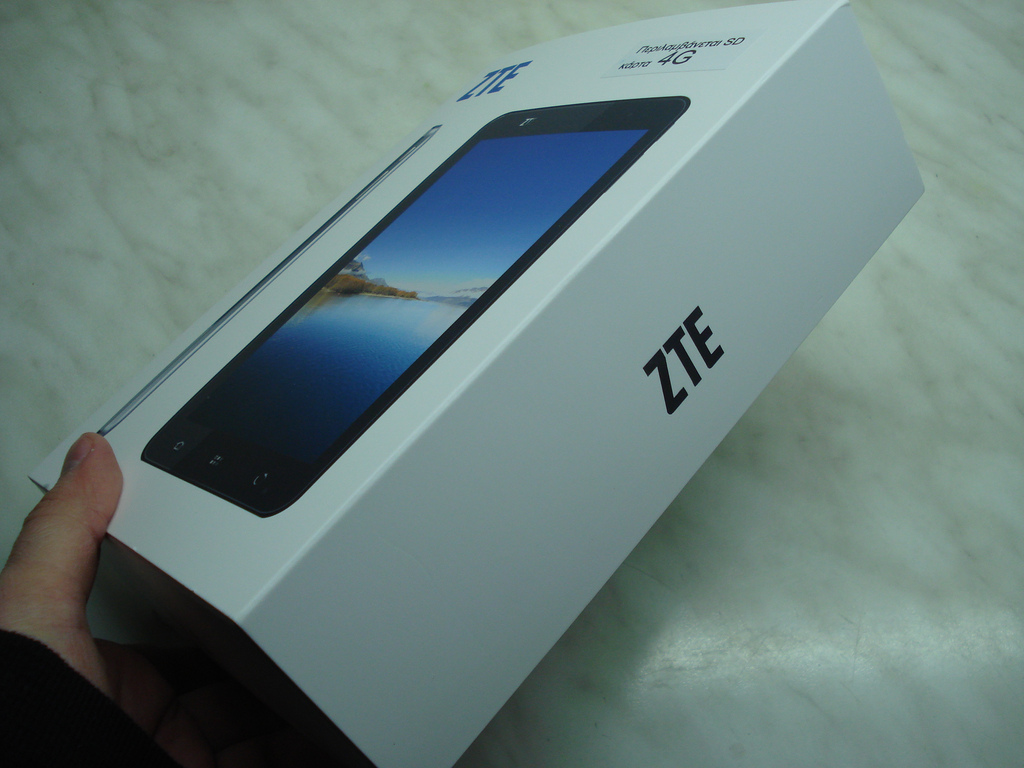
After getting caught selling American goods to Iran and pledging to those crimes, Chinese manufacturing and tech giant ZTE was slapped with a $900 million fine back in 2017. However, it seems US intelligence agencies are convinced that the company hasn’t learned its lesson yet and is still continuing to do dirty business behind America’s back. As such, ZTE is now banned from buying goods from American companies.
According to the Financial Times, the ban is set to last seven years. During that time, ZTE will be unable to get its supplies from companies like Intel or Qualcomm in an official capacity. The ban doesn’t necessarily prevent the Chinese giant from selling its products to US consumers, but it does pose a problem with regards to the manufacturing supply chain.
If it is unable to get the goods that it needs from the tech companies based in the US, it will need to get its parts from somewhere else and that is not going to be easy if it wants to maintain the quality of its offers. As a result, the government is indirectly stifling ZTE’s business without outright banning the company from operating within its borders.
For some context on what prompted this response from the federal government in the first place, leaders from the NSA, CIA, and FBI have apparently expressed their concerns with regards to the activities of ZTE, Gizmodo reports.
The Chinese giant has always been able to act with impunity with the backing of its government, which is likely why it has not been keeping its word on some of the things that it committed to when it was caught selling American goods to Iran. Among these commitments was to discipline senior employees involved in the transactions. According to the heads of the alphabet agencies, it simply hasn’t done this.