


 US House Approves $70 Billion Immigration Enforcement Funding Bill, Ending Congressional Deadlock
  Trump Forced Labour Tariff Plan Faces Criticism as Experts Question Effectiveness
  US Judge Seeks Explanation for DOJ’s Decision to Drop Gautam Adani Bribery Case
  Iran Attack in Strait of Hormuz Pushes Oil Prices Higher
  US Stock Futures Rise as US-Iran Ceasefire Hopes Boost Market Sentiment
  US Urges Europe to Impose Ebola Travel Restrictions Ahead of FIFA World Cup 2026
  Russia Intensifies Assault on Kostiantynivka as Ukraine’s Donetsk Defense Faces Mounting Pressure
  OpenAI IPO Delay Weighs on SoftBank Shares as AI Valuation Concerns Grow
  Trump Threatens 100% Tariffs on Countries Imposing Digital Services Taxes on U.S. Tech Firms
  Economic pessimism has set in – but there are reasons for Australians to be hopeful
  South Korea’s KOSPI Plunges as Apple Price Hikes and OpenAI IPO Delay Shake AI Chip Stocks
  U.S. Eases Iran Team Travel Restrictions Ahead of Seattle World Cup Match
  US Seizes Nearly 400 Illegal World Cup Streaming Domains in Global Anti-Piracy Crackdown
  Gold Prices Rise Above $4,000 as Inflation Data and Weaker Dollar Boost Demand
  Baidu Shares Rally as Kunlunxin Eyes $50 Billion Hong Kong IPO
  US Waives Iran Sanctions for 60 Days as Peace Talks Advance and Lebanon Sees Calm
  Kioxia Targets U.S. Listing as AI Chip Boom Accelerates


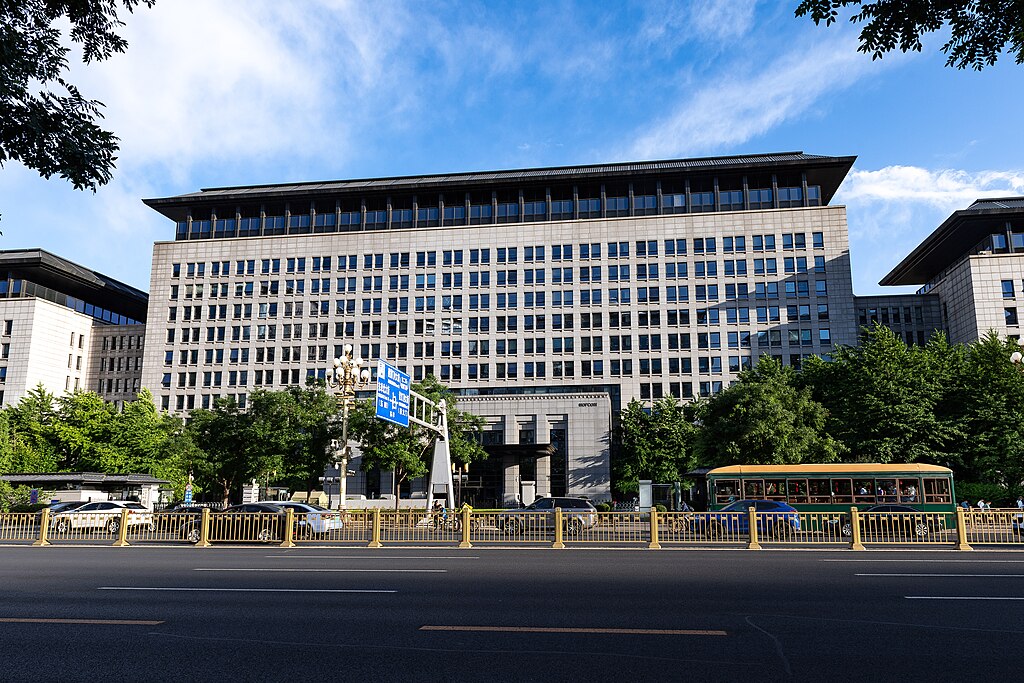
China has expanded its export control measures by adding 20 Japanese organizations and companies to its restricted export list, marking another escalation in the ongoing diplomatic and trade tensions between Beijing and Tokyo.
According to China's Ministry of Commerce, the newly added entities will now face stricter export approval requirements for purchases involving dual-use goods and technologies that could have both civilian and military applications. Chinese exporters seeking to supply these organizations must first obtain government approval and provide assurances that the exported products will not be used for any activity that could strengthen Japan's military capabilities.
The latest list includes subsidiaries of major Japanese corporations such as Mitsubishi, Fujitsu, Komatsu, and Mitsui E&S Co. Ltd. China also added the Institute for Defence Studies, along with technology firms Terra Drone Corp, ACSL Ltd, and OKI Electric Industry.
Beijing said the move is aimed at preventing sensitive products and technologies from being used for military purposes, reinforcing its broader export control framework for strategic goods.
The restrictions come as relations between China and Japan remain strained following a diplomatic dispute that intensified in late 2025. The disagreement was triggered by comments from Japanese Prime Minister Sanae Takaichi regarding potential military intervention in Taiwan, remarks that Beijing strongly condemned.
Since then, China has introduced a series of retaliatory measures targeting Japan. These include travel advisories for Chinese citizens, a suspension of Japanese seafood imports, tighter restrictions on cultural exchanges, and earlier export control measures affecting key industries.
The addition of 20 more Japanese entities highlights Beijing's continued use of trade and export regulations as part of its broader response to geopolitical tensions. The latest restrictions could create additional compliance requirements for exporters while adding uncertainty for Japanese companies that rely on Chinese suppliers for critical components and industrial materials.
As diplomatic friction between the two Asian economies persists, businesses operating across both markets are expected to closely monitor further policy changes that could affect cross-border trade, technology cooperation, and supply chain operations.







