


 South Korea’s KOSPI Triggers Trading Curb as AI Chip Stock Selloff Deepens
  Australian Business Conditions Hold Steady as Easing Cost Pressures Face New Oil Price Risks
  Asian Stocks Rise as Softer U.S. Inflation Boosts Sentiment Despite Middle East Tensions
  Singapore GDP Grows 5.7% in Q2 2026 as AI-Driven Manufacturing Boosts Economy
  US Inflation Expected to Ease in June, but Fed Rate Hike Risks Persist Amid Middle East Tensions
  Japanese Yen Holds Steady as Intervention Hopes Grow Ahead of U.S. CPI Data
  Asian Currencies Weaken as Stronger Dollar Weighs, Yen Supported by GPIF Repatriation Hopes
  Asia Stocks Slip as Iran-Hormuz Tensions Lift Oil Prices, Dollar and Bond Yields
  South Korea’s KOSPI Enters Bear Market Despite Remaining 2026’s Best-Performing Major Stock Index
  South Korea Central Bank Set to Raise Interest Rates as Inflation Stays Elevated
  China Q2 2026 GDP Misses Forecast as Weak Domestic Demand Offsets Export Strength
  Asian Currencies Stay Rangebound as Middle East Tensions, Weak China GDP Weigh on Sentiment
  European Stocks Slip as Middle East Tensions and Hormuz Threat Rattle Markets
  ECB's Kocher Says No Inflation Spillover Yet From Iran Conflict, Warns Risks Remain
  Gold Prices Fall as US-Iran Conflict, Rising Oil Prices Fuel Fed Rate Concerns
  Dollar Eases as Middle East Conflict, Fed Outlook and Japan Pension Policy Drive FX Markets
  Iraq PM Visits Washington as U.S. Oil, Gas Deals Take Center Stage


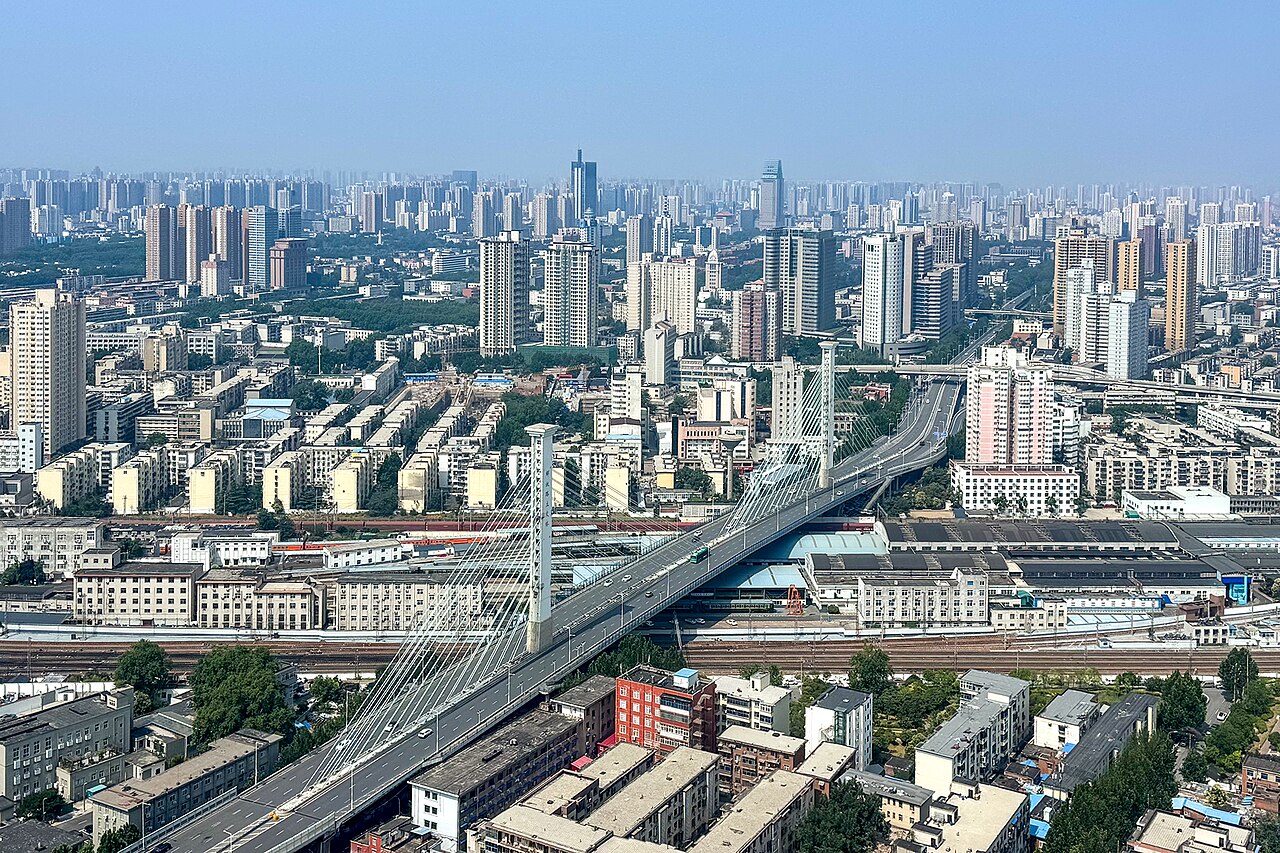
China’s new home prices continued to decline in June, highlighting the ongoing challenges facing the country’s property market despite signs that the pace of deterioration is easing. Official data released by the National Bureau of Statistics (NBS) on Wednesday showed that weak nationwide housing demand continued to outweigh modest improvements in several major cities.
According to Reuters calculations based on the NBS data, new home prices slipped 0.1% in June from the previous month, improving slightly from the 0.2% monthly decline recorded in May. The figures suggest that while government support measures may be helping stabilize parts of the market, the broader real estate sector remains under pressure.
On a yearly basis, new home prices fell 3.3% in June, a smaller decline than the 3.5% drop reported in May. The slower annual contraction indicates that the housing market may be approaching a more stable phase, though demand remains too weak to support a sustained recovery.
China’s property sector has struggled with falling sales, declining investment, and cautious consumer sentiment for several years. Authorities have introduced multiple stimulus measures, including lower mortgage rates, reduced down payment requirements, and financing support for developers, in an effort to revive housing activity. However, the impact has been uneven, with stronger demand concentrated in top-tier cities while many smaller markets continue to face excess housing supply.
Analysts say a meaningful recovery will likely require stronger consumer confidence, improved employment conditions, and broader economic growth. Until then, the real estate market is expected to remain under pressure despite incremental improvements in pricing trends.
The latest data reinforces expectations that policymakers may introduce additional measures to support the housing sector if demand continues to lag. As one of the largest contributors to China’s economy, the performance of the property market remains a key indicator for investors monitoring the country’s economic outlook and future growth prospects.







