


 UN Condemns Myanmar Airstrike That Kills 50 in Rakhine
  Trump Praises Boeing 737 Max After Flydubai Crash Attempt
  US Conducts Non-Nuclear Explosion Test to Boost Nuclear Detection
  Wicker Urges US to Uphold Taiwan Security Commitments
  Israel Tightens Pilot Security After Flydubai Incident
  Pentagon Launches Autonomous Warfare Command
  Tim Scott Blames Democrats as CLARITY Act Stalls in Senate
  TSA Removes Chairs for Airport ID Check Officers
  Trump Eyes $54 Billion South Korean Investment in Alaska LNG
  US Alcohol Ban Exposes Canada’s Internal Trade Barriers
  UN Extends Haiti Security Force Mandate Ahead of Elections
  Trump Says He Raised Political Prisoners With Xi
  Malaysia Begins Deportation of 1,500 Myanmar Nationals
  Netanyahu Says Israel May Join Flydubai Crash Attempt Probe
  Russia Warns NATO of Nuclear Response Over Kaliningrad
  Trump Denies Offering Iran Sanctions Relief for Nuclear Concessions
  US Troops Set to Complete Iraq Withdrawal as Iran Influence Grows


 Add as a preferred source on Google
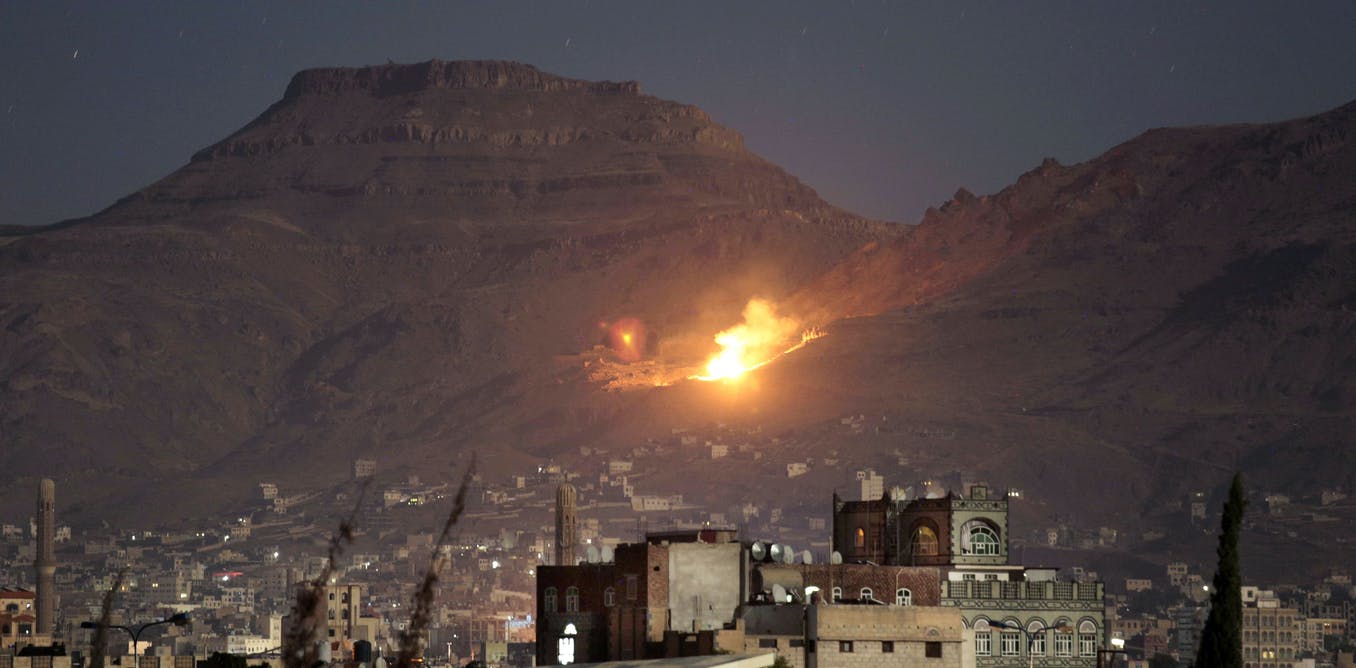
Yemen’s Houthi movement has strengthened its position as a major regional military force after a rapid offensive gave it control of the strategically important Bab el-Mandeb Strait, a critical passage connecting the Red Sea with the Gulf of Aden.
The Houthis emerged in northern Yemen in the late 1990s as a Zaydi Shi’ite revival movement led by the Houthi family. After fighting six wars against Yemen’s government, the group expanded during the political turmoil that followed the 2011 Arab Spring. It seized the capital Sanaa in 2014, triggering a Saudi-led military intervention and years of civil war before a 2022 ceasefire.
Fighting has intensified again across Yemen in recent weeks. Houthi forces advanced through the southern Tihama region, capturing Mocha and the remaining Red Sea coastline and islands. The gains place Houthi forces along the 12-mile-wide Bab el-Mandeb Strait, giving them greater ability to threaten commercial shipping and potentially launch further operations toward Aden.
The group’s military capabilities have expanded significantly with missiles and drones capable of striking targets far beyond Yemen. Houthi ballistic missiles have reached Israel, more than 1,800 kilometers away, while Saudi cities, energy infrastructure and vessels in the Red Sea have also been targeted.
Recent Houthi videos show drones dropping explosives, precision strikes against vehicles and buildings, missile launches and fighters equipped with machine guns, scoped rifles and other weapons. The group has also displayed armored vehicles, artillery and electronic warfare equipment captured from Saudi-backed forces.
A 2025 United Nations expert report found that the Houthis had developed missile and drone technology through domestic manufacturing and outside technical assistance. Weapons and components have also entered Yemen through maritime routes and across the Omani border despite a U.N. arms embargo.
Iran officially denies illegally supplying the Houthis, although Iranian sources have acknowledged providing weapons and expertise. Analysts say Iranian and Hezbollah training has helped transform the Houthis from a local militia into a more organized military force. U.N. experts estimated the group had about 350,000 fighters, highlighting its growing ability to influence Yemen’s war and threaten one of the world’s most important shipping routes.







