


 Xiaomi Shares Drop After Weak Q1 Earnings Amid Rising Smartphone Costs
  US Quantum Stocks Surge After $2 Billion Government Investment
  SK Hynix Joins $1 Trillion Club as AI Chip Demand Fuels Stock Surge
  Elon Musk Explores Possible Tesla-SpaceX Merger Amid Growing AI Investments
  MongoDB Q1 FY2027 Earnings Beat Expectations, Raises Full-Year Outlook
  Samsung Workers Approve Wage Deal, Avoiding Major Strike and Boosting Chip Supply Confidence
  Salesforce Q1 FY2027 Earnings Beat Expectations Despite Soft Q2 Revenue Outlook
  Autodesk Beats Q1 Estimates, Acquires MaintainX for $3.6 Billion
  Universal Music Group Rejects Pershing Square Takeover Proposal
  Canada and Germany Advance Major LNG Supply Partnership
  Dell Raises 2027 Revenue Forecast as AI Server Demand Drives Record Quarterly Results
  Mega IPOs Like SpaceX and OpenAI Could Reshape S&P 500 and Nasdaq 100 Portfolios in 2026
  Samsung Union Dispute Escalates Over Semiconductor Bonus Vote
  SpaceX Delays Starship V3 Launch Ahead of Potential Record IPO
  European EV Sales Surge in April 2026 as Tesla and Chinese Automakers Gain Ground
  UK Grocery Inflation Slows to 3.1% as Supermarket Price Pressures Ease in May 2026
  Synopsys Q2 FY2026 Earnings Beat Driven by AI and Semiconductor Demand


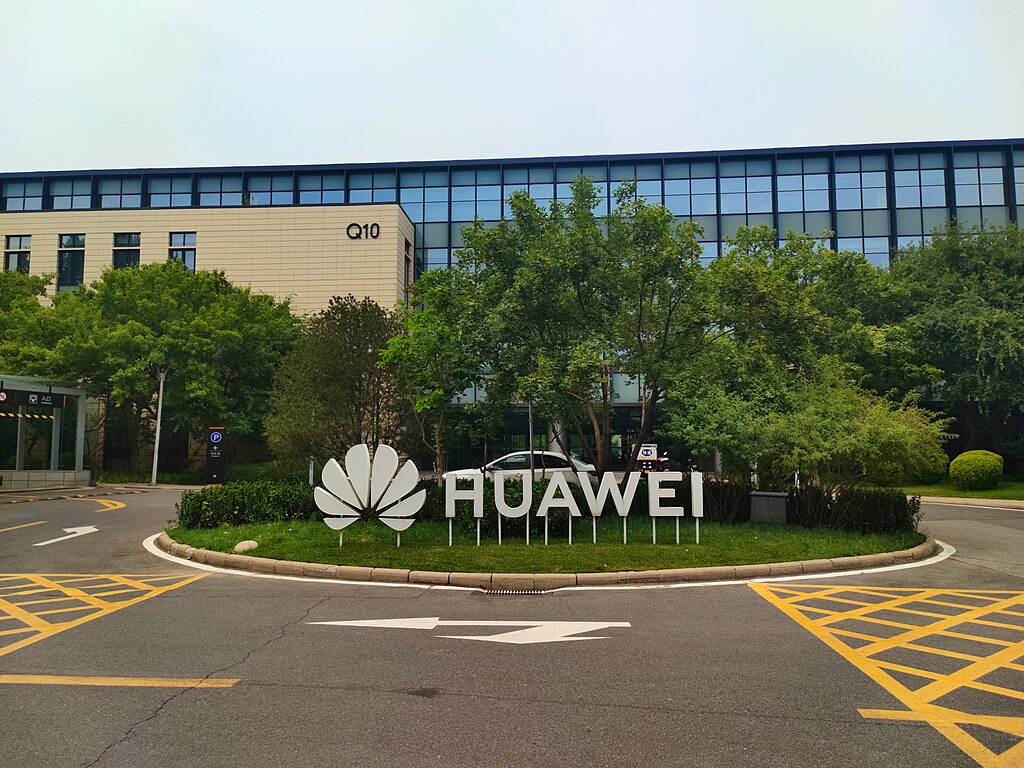
Chinese semiconductor stocks surged Monday after Huawei announced a major breakthrough in advanced chip technology, fueling optimism about China’s push for semiconductor self-sufficiency amid ongoing U.S. export restrictions.
Huawei revealed that its next-generation high-end chips could achieve transistor density comparable to 1.4-nanometer processes within the next five years. The company introduced a new “Tau Scaling Law,” a strategy focused on improving chip performance through overall system efficiency instead of relying only on shrinking transistor sizes.
The tech giant also unveiled its new “LogicFolding” chip architecture, which is expected to appear in future Kirin processors later this year. According to Huawei, the design dramatically reduces internal chip wiring distances, improving performance, power efficiency, and processing speed.
The announcement triggered a strong rally across China’s semiconductor sector. Shares of Semiconductor Manufacturing International Corp. (SMIC) jumped more than 17% in Shanghai trading. Cambricon Technologies climbed nearly 10%, while Piotech Inc gained over 18%.
Other notable gainers included Hwatsing Technology, which rose 8%, Shenzhen Fastprint Circuit Tech, up 6%, and Qingdao Yunlu Advanced Materials Technology, which advanced 9%.
Investor confidence in China’s chip industry has strengthened significantly in recent months as domestic companies accelerate efforts to reduce dependence on U.S. technology firms, especially NVIDIA. Tightened U.S. sanctions and export controls on advanced AI chips have encouraged Chinese developers to seek local alternatives.
Huawei’s Ascend AI processors are increasingly becoming a preferred option for Chinese artificial intelligence companies, including AI startup DeepSeek. Analysts believe Huawei’s latest chip innovations could further strengthen China’s semiconductor ecosystem and reduce reliance on foreign technology suppliers.
The latest developments also highlight China’s growing focus on advanced semiconductor manufacturing, AI chip development, and domestic innovation as the global tech rivalry between China and the United States intensifies in 2026.







