


 New York Times, AFP Join Coalition to Protect Content From AI
  Apple Supplier Luxshare Sees Limited Impact From US Patent Probe
  Apple Supplier Luxshare Faces US Patent Probe, Sees Limited Impact
  Trezor Cuts Reseller Network After Ledger Security Breach
  NEAR Protocol Leads AI Crypto Rally Amid Fed Rate Hike Fears
  Arm Shares Fall Over 3% After Qualcomm Wins License Dispute
  Yandex Data Center Hit by Drone Strike as Russia-Ukraine Cyber Infrastructure Attacks Escalate
  OpenAI Uses AI to Uncover Hidden Recording Device, FBI Makes Arrest
  MNX Crypto Exchange Launches Futures for OpenAI, Anthropic Valuations
  Trump Buys Up to $25M in Meta Stock, Invests in SpaceX Debt
  Citi Upgrades Galaxy Digital Stock, Raises Price Target to $28
  Robinhood Chain Eyes Priority Gas Auctions for Faster Trades
  Epic Games Delays Disney Shooter, Shifts to AI-First Development


 Add as a preferred source on Google
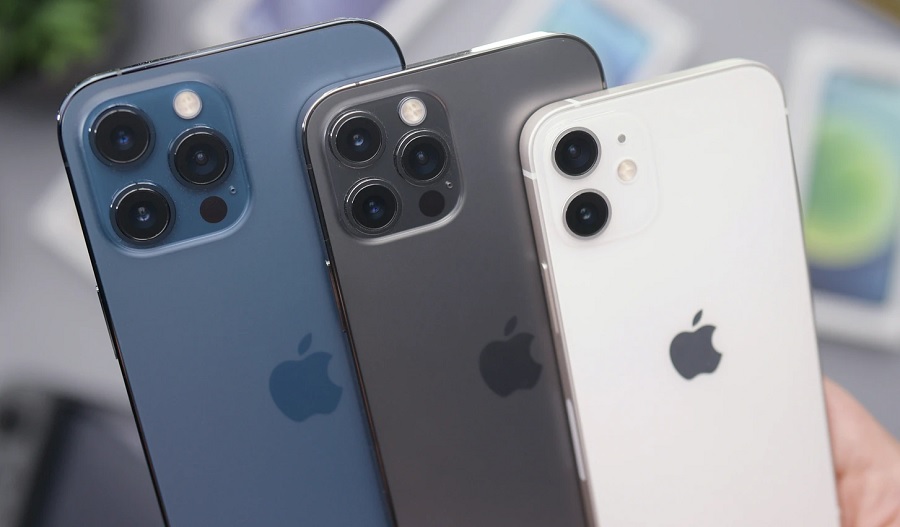
With the fall season starting soon, tech fans may not have to wait long to witness Apple conduct one of its most anticipated events every year. The official announcement of the iPhone 13 series could take place in a few weeks. It is then a good time to recall some of the upgrades reported by well-known sources over the past months.
Same design, different measurements
Since Apple does not release many phones in a year, the annual design tweaks in new iPhones remain one of the most interesting parts of its fall announcements. Last year, the tech giant unveiled a new form factor for the iPhone 12 lineup that uses some of the design elements used in iPhone 4 and iPhone 5 lineups. The iPhone 13 is expected to look the same.
However, leaked dummy models and renders have claimed that there are still a few tweaks to be expected. Some iPhone 13 models are rumored to have thicker dimensions than their predecessors. Reports have also suggested that the iPhone 13 mini and standard iPhone 13 may launch with diagonal dual-camera. Apple is unlikely to get rid of the notch yet, but the company is expected to make it smaller this year.
120Hz ProMotion display for Pro models
Apple is known for adding new features a little later than its Android counterparts. So while several Android phones have already made 120Hz adaptive refresh rate a normal selling point, Apple has yet to do it for its flagship phones.
However, that is widely expected to change this year. Apple is rumored to bring its ProMotion technology, likely to the iPhone 13 Pro models only, allowing its display to perform with an adaptive refresh rate of up to 120Hz like its latest iPad Pro tablets.
Meanwhile, a more recent rumor suggested that the iPhone 13 phones could also feature an Always-On mode. Its implementation is expected to work similarly to Apple Watch.
Bigger batteries and camera improvements
A post from Weibo was shared in a now-deleted tweet by noted leaker L0vetodream suggesting that all upcoming models will receive bigger batteries. The iPhone 13 mini could launch with 2406mAh (up by 8 percent), the iPhone 13 and iPhone 13 Pro batteries might have 3095mAh capacity (up by 9..9 percent), and the iPhone 13 Pro Max’s battery could be the most improved with 4325mAh capacity (up by 18 percent).
While the LiDAR sensor is expected to remain an exclusive feature on the Pro models, Apple is expected to add sensor-shift stabilization across the lineup, per research firm TrendForce. Last year, this feature was only present on the iPhone 12 Pro Max.
Despite the earned credibility of these sources, Apple fans should still take the reported upgrades with a grain of salt. That is until the company makes the official iPhone 13 announcement, possibly sometime in September.
Photo by Daniel Romero on Unsplash







