


 Colombia Opens New Investigation Into Former President Álvaro Uribe Over Paramilitary Allegations
  Flavio Bolsonaro Unveils Tough Crime Plan Ahead of Brazil Election
  Trump Invokes Defense Production Act to Boost U.S. Weapons Manufacturing
  US Military Strike in Eastern Pacific Kills Three Amid Legal and Human Rights Concerns
  Canada, British Columbia Launch $5 Billion Infrastructure Partnership to Boost Housing, Transit, and Healthcare
  Trump and Iran Sign Framework Peace Deal in France Amid Ongoing Middle East Tensions
  Lincoln Memorial Reflecting Pool Renovation Faces Scrutiny After Paint Peels
  Trump Praises Versailles During Macron-Hosted Dinner Aimed at Strengthening U.S.-France Ties
  US Raises Concerns Over Possible ASML EUV Machine Transfer to China
  Russia Accuses Ukraine of Drone Strike on Bus Carrying Belarusian Children
  South Korea’s Lee Jae Myung Strengthens Ties With Trump at G7 Summit, Discusses North Korea and Future Golf Meeting
  US-Iran Ceasefire Deal Extends Peace Talks and Eases Oil Trade Restrictions
  G7 Explores AI Access Deal With U.S. Amid Anthropic Restrictions
  Trump Open to Congressional Review of Iran Deal as Lawmakers Seek Details
  Australia Eases Capital Gains Tax Reforms to Support Small Businesses and Startups
  Trump-Iran Interim Agreement Extends Ceasefire as G7 Leaders Welcome Path to Peace
  Pakistan, Qatar Mediation Secures Preliminary U.S.-Iran Deal Amid High-Stakes Negotiations


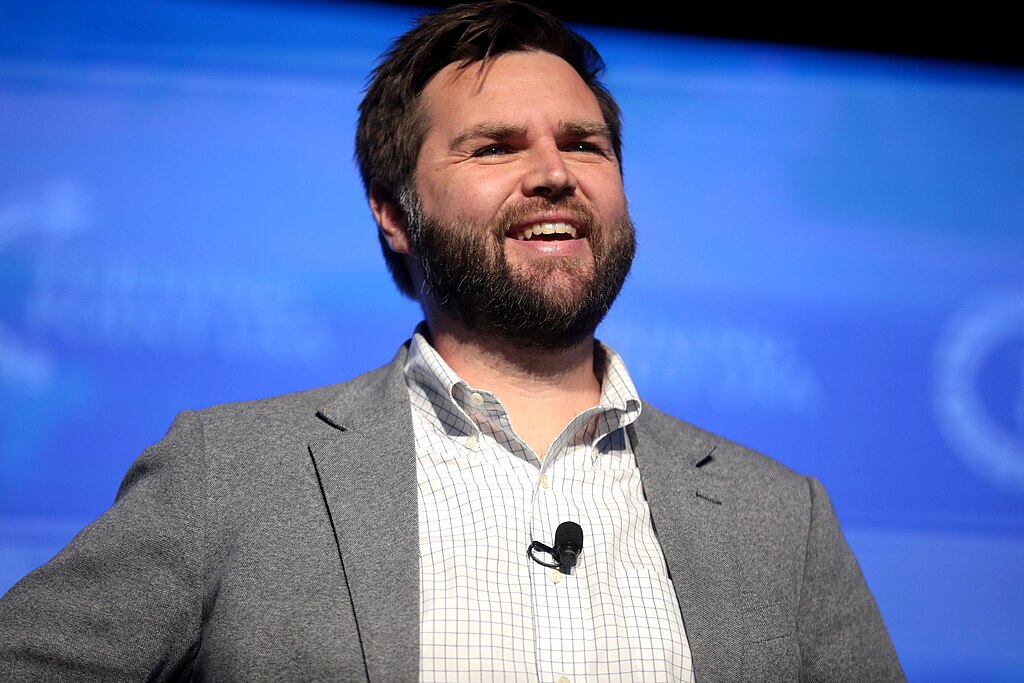
U.S. Vice President JD Vance has postponed a planned trip to Switzerland for negotiations with Iranian officials, adding fresh uncertainty to efforts to implement the recently signed U.S.-Iran peace agreement. The talks were expected to begin in Geneva as part of the next phase of a 14-point deal designed to end months of conflict between Washington and Tehran.
A White House spokesperson confirmed that Vance and the U.S. delegation were prepared to travel once arrangements for the negotiations were finalized. However, officials acknowledged that organizing the talks has proven difficult and unpredictable.
The delay follows mixed signals from Iran regarding the next stage of negotiations. While Iranian leaders previously indicated readiness to begin technical discussions, reports from Iran’s semi-official Tasnim news agency suggested Tehran wants to see evidence that Washington is honoring the interim agreement before moving forward. Iranian authorities have also questioned the need for a formal signing ceremony in Geneva after both countries’ presidents signed the accord earlier this week.
The U.S.-Iran agreement extended a fragile ceasefire for at least 60 days and aims to establish a framework for future negotiations on Iran’s nuclear program. The deal includes sanctions relief, the release of frozen Iranian assets, and permission for Iran to resume oil exports under specific waivers. It also creates a proposed $300 billion reconstruction fund and provides a timeline for nuclear discussions.
Despite the agreement, significant challenges remain. Iran’s Supreme Leader Ayatollah Mojtaba Khamenei warned that Tehran would reject excessive demands during upcoming nuclear negotiations. Meanwhile, critics in Washington argue that President Donald Trump conceded too much without achieving several key objectives, including stricter limitations on Iran’s military capabilities and regional influence.
Regional tensions also continue to threaten the agreement’s stability. Israel, which was not involved in the peace talks, has continued military operations against Hezbollah in Lebanon. Ongoing clashes and expanding military activity have raised concerns about whether a lasting ceasefire can be maintained.
As diplomats work to advance negotiations, investors and global markets remain focused on whether the U.S.-Iran accord can evolve into a long-term peace agreement that stabilizes the Middle East and addresses concerns surrounding Iran’s nuclear ambitions.







