


 Putin Holds ‘Highly Useful’ Ukraine Peace Talks With Trump Envoys
  Trump Peace Envoys Meet Zelenskiy in Kyiv After Putin Talks
  Iran Vows Tougher Response as U.S. Sanctions Squeeze Economy
  US Sailor’s Father Detained by Immigration Authorities
  SEC Seeks ISS Client Voting Records in Proxy Adviser Probe
  Pacific Leaders Raise Alarm Over China Missile Test as Nauru Dissents
  Ecuador Backs U.S. Sinking of Vessels in Pacific Anti-Drug Operation
  USS Abraham Lincoln Leaves Thailand After Five-Day Port Visit
  ECB Set for September Rate Hike as Energy Prices Fuel Inflation
  Iran Allows Iraqi Oil Tankers Through Strait of Hormuz
  Singapore Straits Times Index Hits Record High as Banks, Property Stocks Rally
  FAA to Pause Reagan National Airport Flights for Freedom 250 IndyCar Race
  Iran’s Hormuz Oil Pressure Fades as Gulf Crude Flows Continue
  Trump Imposes New US Tariffs on Drone Imports Over National Security Concerns
  Lavrov Accuses Germany of ‘Declaring War’ on Russia
  Russia Eyes Putin-Trump-Xi Trilateral Meeting at China APEC Summit


 Add as a preferred source on Google
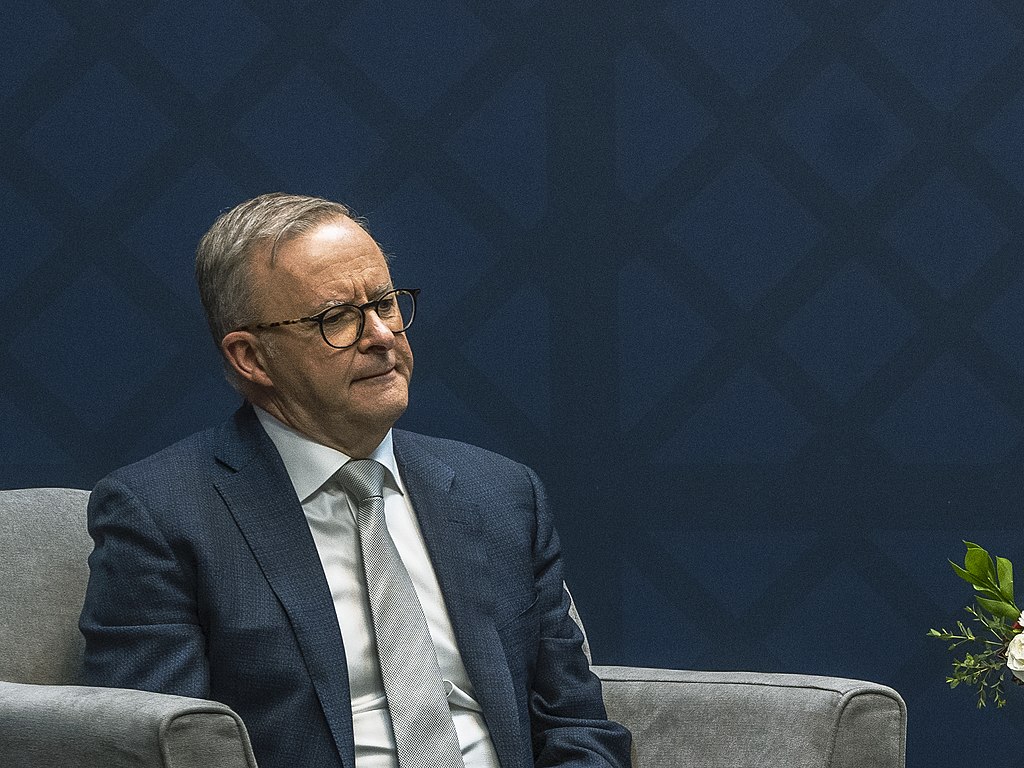
The Australian government has announced significant changes to its planned capital gains tax (CGT) reforms following widespread concerns from industry groups and business leaders that the original proposal could hinder investment and growth among small businesses.
Under the tax reforms outlined in the federal budget last month, Australia plans to introduce a 30% minimum tax on net capital gains starting in July 2027. The proposal sparked criticism from business organizations, which argued that the measure could discourage entrepreneurs and investors from expanding their operations and taking financial risks.
In response to the feedback, Prime Minister Anthony Albanese revealed that the government will increase the eligibility threshold for small business capital gains tax concessions. The annual turnover limit will rise from A$2 million to A$10 million, allowing a significantly larger number of businesses to qualify for the existing CGT discount.
The concession enables eligible businesses to receive a 50% discount on capital gains tax for assets held for more than 12 months. By expanding access to the tax relief, the government aims to preserve incentives for long-term investment and business development across Australia.
“We back Australian small businesses and the important role that they play in Australia,” Albanese said while announcing the policy adjustment.
According to the prime minister, approximately 2.7 million active small businesses nationwide will now be eligible for the capital gains tax discount under the revised rules. The government believes the change will provide greater certainty for business owners while encouraging economic growth and job creation.
In addition to the updated CGT measures, the government plans to introduce a new innovative business tax concession designed specifically for startups. The initiative is expected to support entrepreneurship, attract investment, and strengthen Australia’s innovation ecosystem.
The revised capital gains tax policy reflects the government’s effort to balance tax reform objectives with the needs of small businesses, investors, and emerging companies, ensuring that Australia remains an attractive environment for business growth and innovation.







