


 SpaceX Prioritizes Moon Mission Before Mars as Starship Development Accelerates
  U.S.-India Trade Framework Signals Major Shift in Tariffs, Energy, and Supply Chains
  India–U.S. Interim Trade Pact Cuts Auto Tariffs but Leaves Tesla Out
  Nvidia, ByteDance, and the U.S.-China AI Chip Standoff Over H200 Exports
  TrumpRx Website Launches to Offer Discounted Prescription Drugs for Cash-Paying Americans
  Once Upon a Farm Raises Nearly $198 Million in IPO, Valued at Over $724 Million
  Baidu Approves $5 Billion Share Buyback and Plans First-Ever Dividend in 2026
  South Korea’s Weak Won Struggles as Retail Investors Pour Money Into U.S. Stocks
  Dow Hits 50,000 as U.S. Stocks Stage Strong Rebound Amid AI Volatility
  Asian Stocks Slip as Tech Rout Deepens, Japan Steadies Ahead of Election
  American Airlines CEO to Meet Pilots Union Amid Storm Response and Financial Concerns
  Japanese Pharmaceutical Stocks Slide as TrumpRx.gov Launch Sparks Market Concerns
  Global Markets Slide as AI, Crypto, and Precious Metals Face Heightened Volatility
  CK Hutchison Launches Arbitration After Panama Court Revokes Canal Port Licences
  RBI Holds Repo Rate at 5.25% as India’s Growth Outlook Strengthens After U.S. Trade Deal
  South Korea Assures U.S. on Trade Deal Commitments Amid Tariff Concerns
  Bank of Japan Signals Readiness for Near-Term Rate Hike as Inflation Nears Target


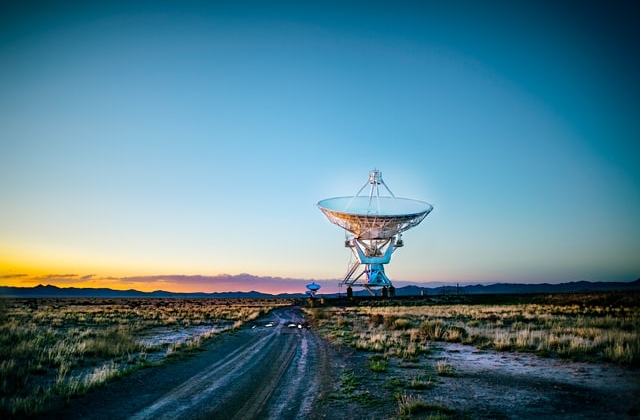
Amazon is working on its Project Kuiper program that aims to provide internet service to the public. The tech company is planning to launch its internet service not just in the United States but around the world, so it is requesting approval to deploy additional 4,500 satellites to space.
Amazon is waiting for the U.S. communication regulator's go signal for the launch of more satellites so it can expand its internet project. The effort is part of the goal to deliver broadband internet even to remote regions and areas that have slow or weak service.
According to Reuters, Amazon is investing at least $10 billion to create 3,236 internet satellites for its Project Kuiper program. Last week, it was reported that Jeff Bezos' company submitted its request to the Federal Communications Commission (FCC) for additional deployment of satellites. Once approved, the company will bring the number of its satellites to 7,774.
Amazon also asked the FCC for permission to launch and operate two prototype satellites in the last quarter of 2022. The company stated in its regulatory filing that the satellites would be used to service homes, businesses, medical facilities, government agencies, and other institutions worldwide.
"Although connectivity has improved on a global basis, only 51% of the global population, and 44% of the population of developing countries, are online," Amazon explained.
With the firm's Project Kuiper, a competition between Amazon and Elon musk's Starlink is expected. The latter is already providing satellite-based internet service to some countries. Bezos and the Tesla chief are also rivals in space exploration, and both have already launched space crafts with civilian passengers not long ago.
At any rate, CNBC previously reported that Amazon's first two prototype satellites that will be launched next year are called KuiperSat-1 and KuiperSat-2. These will be carried outside of Earth through ABL Space on its RS1 rocket.
"We'll soon be ready to see how [the satellites] perform in space," the publication quoted Rajeev Badyal, Amazon's vice president of technology, as saying in a statement. "There is no substitute for on-orbit testing, and we expect to learn a lot given the complexity and risk of operating in such a challenging environment."













