


 OpenAI GPT-5.6 Set for Wider Release After U.S. Commerce Approval, Report Says
  Elon Musk Says Anthropic Leads AI Race as Claude Models Challenge OpenAI
  TSMC Q2 Revenue Surges 36% as AI Chip Demand Powers Growth Ahead of Earnings
  SoftBank Corp Partners With Sierra to Expand AI Customer Support Across Japan
  ASML Raises 2026 Outlook as AI Chip Demand Lifts Q2 Earnings
  Apple Tests China's CXMT Memory Chips as DRAM Maker Gains Global Market Share
  Nvidia Invests $500M in Firmus Technologies Ahead of Planned ASX IPO
  Australia Flags Child Safety Gaps at Apple, Meta, Google Over Online Sexual Extortion
  Morgan Stanley Says China’s Reusable Rocket Progress Poses Long-Term Challenge to SpaceX
  SK Hynix Prices Record U.S. ADR Offering at $149 After $200 Billion Investor Demand
  EU to Propose New Rules Limiting Children's Access to Social Media
  Nvidia Tightens AI Chip Sales in Asia With Stricter Customer Approval Process
  SK Hynix Shares Drop After Strong Nasdaq Debut Despite $26 Billion ADR Listing
  Yaskawa Electric Shares Slide as Weak Profit Overshadows Strong AI Demand
  Trump Administration Launches AI Cybersecurity Partnership to Protect Critical Infrastructure
  Arm Stock Falls After HSBC Downgrade, Citing Limited Near-Term AI Upside


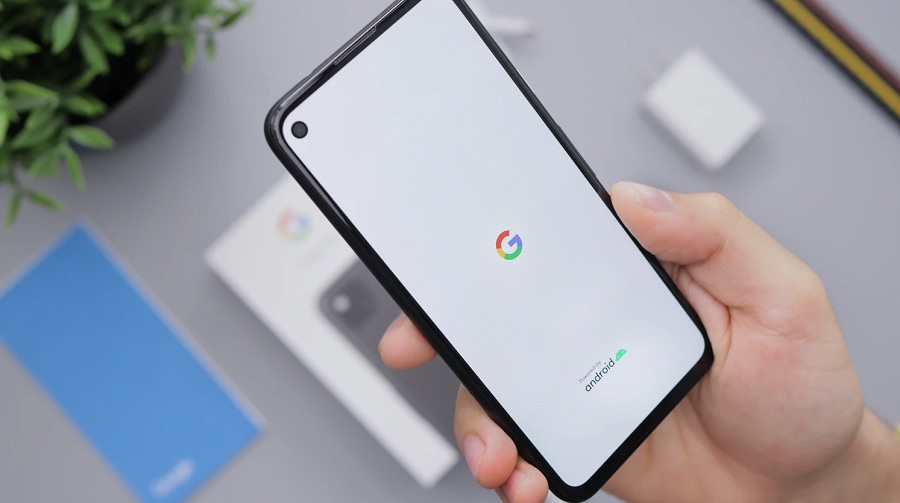
Online privacy has become one of the hot topics among tech consumers over the last few months, and Google is reportedly looking for ways to improve the Android operating system. However, Android users should not expect something as rigorous as Apple’s App Tracking Transparency (ATT) tool.
Google looks to update the Android OS with better privacy features
It is about time people started talking about online privacy, and more companies appear to begin listening as well. Bloomberg reported that Google is exploring ways to improve the Android OS privacy features. Some might say Apple’s widely discussed ATT rules prompted the move, but sources suggest the Android owner is not looking to implement something as strict as the new iOS 14 and iPadOS 14 feature.
Other businesses of Google also benefit greatly from targeted ads. It is then not surprising that the company opts for a more tame privacy feature than what Apple is implementing. The same report said Google is currently thinking of ways to “limit” how app developers can collect data and track users when using other apps and websites. But tipsters do not expect Google to offer the users an option that would ultimately stop data collection and tracking.
When would Google limit tracking activities on Android OS?
Google’s planned privacy policy changes for the Android OS is reportedly still in the early stages. It is unclear how it is going to be implemented, except for it being a less strict approach. The same report noted that Google has yet to finalize when to launch such a feature or if it would actually see the light of day. So it seems far-fetched to expect it on Android 12 later this year.
Android 11, which officially launched last fall, delivered some privacy changes. Again, they are not of the same level as Apple’s privacy-focused ATT, where users are given a choice to be tracked or not.
One of the notable changes in Android 11 is the automatic reset of app permissions when a user does not open an app after “a few months.” Google also introduced one-time app permissions last year, along with updates in allowing apps to access a user’s location information.
Featured photo by Daniel Romero on Unsplash







