


 Trump Administration Releases New UFO Files and Apollo Mission Records
  Neuralink Expands Brain Implant Trials with 12 Global Patients
  Senate Sets December 8 Vote on Trump’s NASA Nominee Jared Isaacman
  Eli Lilly’s Inluriyo Gains FDA Approval for Advanced Breast Cancer Treatment
  Trump Administration to Launch Autism Initiatives Targeting Acetaminophen Use and New Treatment Options
  FDA Pilot Program Eases Rules for Nicotine Pouch Makers
  NASA Artemis II: First Crewed Moon Mission Since Apollo Takes Four Astronauts on 10-Day Lunar Journey
  Blue Origin New Glenn Explosion Could Delay Launch Operations Until 2028
  SpaceX’s Starship Completes 11th Test Flight, Paving Way for Moon and Mars Missions
  Blue Origin’s New Glenn Achieves Breakthrough Success With First NASA Mission
  Is space worth the cost? Accounting experts say its value can’t be found in spreadsheets
  SpaceX Prioritizes Moon Mission Before Mars as Starship Development Accelerates


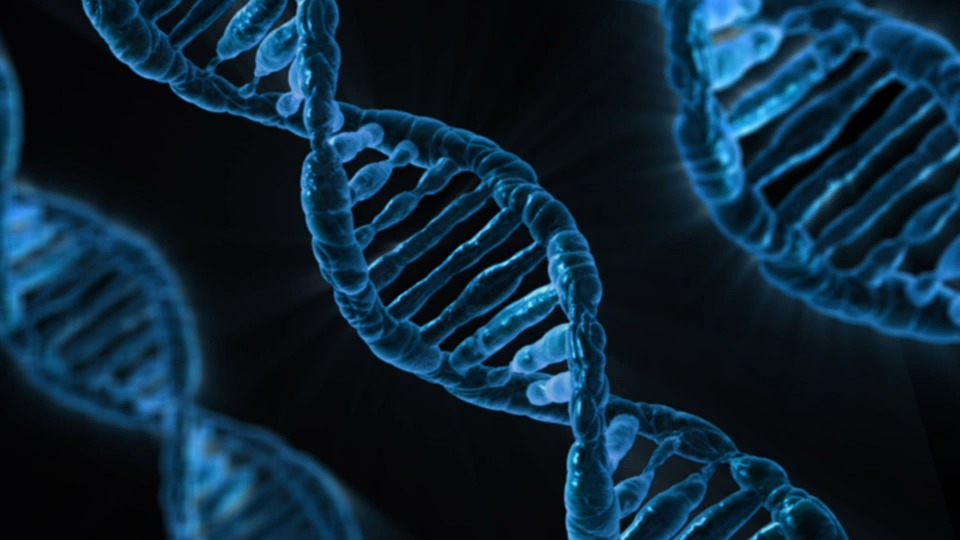
Several pharmaceutical companies have already been making progress towards a vaccine for COVID-19, but the world remains to wait until all have been proven effective in ending the pandemic. A recent study has now suggested another method in preventing future pandemics, and it lies in a person’s genes.
Prevention is better than a cure, and scientists are now looking into possible forms of prevention to avoid worldwide pandemics in the future. One such preventative measure is through the use of gene editing such as CRISPR or the CRISPR-Cas9. The methods involve scientists altering a person’s DNA, thereby tweaking a certain part of the genome. Altering the DNA of an embryo may be done in order to boost the T-cells or the cells that fight off disease and infection. Another form of gene editing may see scientists scramble the genetic code, which results in disabling coronaviruses.
While this may seem promising, scientists have raised concerns about the long-term effects of the method. This is because scientists have yet to find out what the effect could have on a person who has yet to be born.
“If you remove a gene that causes a certain disease in an embryo, not only will the baby be free of the disease when born -- so will its descendants,” said Yusef Rabiah, a doctorate student from the University College London Science, Technology, Engineering, and Public Policy. “The technique is, however, controversial -- we can’t be sure how a child with an altered genome will develop over a lifetime.”
Despite the concerns, Mr. Rabiah also noted that the COVID-19 pandemic is a factor for scientists to look into the technique as soon as possible.
COVID-19 has now infected millions of people all over the world since its outbreak in China in December 2019. Along with millions of infections, more than a million have since died from the disease. A virologist from Wuhan, where the first infections were reported, has now warned of more types of coronaviruses that may cross over from animals to humans.
Dr. Shu Zhengli warned that coronaviruses may be found in animals that could be inhabiting South Asian countries. Dr. Shu’s warnings also come as her team has not found evidence of the virus in local animals in Wuhan.







