


 Weight-Loss Drug Ads Take Over the Super Bowl as Pharma Embraces Direct-to-Consumer Marketing
  AstraZeneca’s LATIFY Phase III Trial of Ceralasertib Misses Primary Endpoint in Lung Cancer Study
  RFK Jr. Overhauls Federal Autism Panel, Sparking Medical Community Backlash
  Sanofi Gains China Approval for Myqorzo and Redemplo, Strengthening Rare Disease Portfolio
  Novo Nordisk and Eli Lilly Cut Obesity Drug Prices in China, Boosting Access to Wegovy and Mounjaro
  Federal Appeals Court Blocks Trump-Era Hospital Drug Rebate Plan
  Viking Therapeutics Sees Growing Strategic Interest in $150 Billion Weight-Loss Drug Market
  California Jury Awards $40 Million in Johnson & Johnson Talc Cancer Lawsuit
  Merck Raises Growth Outlook, Targets $70 Billion Revenue From New Drugs by Mid-2030s
  Hims & Hers Halts Compounded Semaglutide Pill After FDA Warning
  Eli Lilly and Novo Nordisk Battle for India’s Fast-Growing Obesity Drug Market


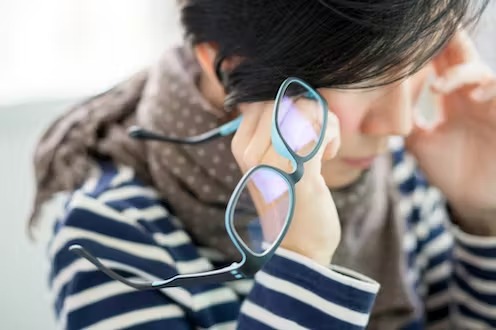

Blue-light glasses are said to reduce eye strain when using computers, improve your sleep and protect your eye health. You can buy them yourself or your optometrist can prescribe them.
But do they work? Or could they do you harm?
We reviewed the evidence. Here’s what we found.
What are they?
Blue-light glasses, blue light-filtering lenses or blue-blocking lenses are different terms used to describe lenses that reduce the amount of short-wavelength visible (blue) light reaching the eyes.
Most of these lenses prescribed by an optometrist decrease blue light transmission by 10-25%. Standard (clear) lenses do not filter blue light.
A wide variety of lens products are available. A filter can be added to prescription or non-prescription lenses. They are widely marketed and are becoming increasingly popular.
There’s often an added cost, which depends on the specific product. So, is the extra expense worth it?
Blue light is all around us
Outdoors, sunlight is the main source of blue light. Indoors, light sources – such as light-emitting diodes (LEDs) and the screens of digital devices – emit varying degrees of blue light.
The amount of blue light emitted from artificial light sources is much lower than from the Sun. Nevertheless, artificial light sources are all around us, at home and at work, and we can spend a lot of our time inside.
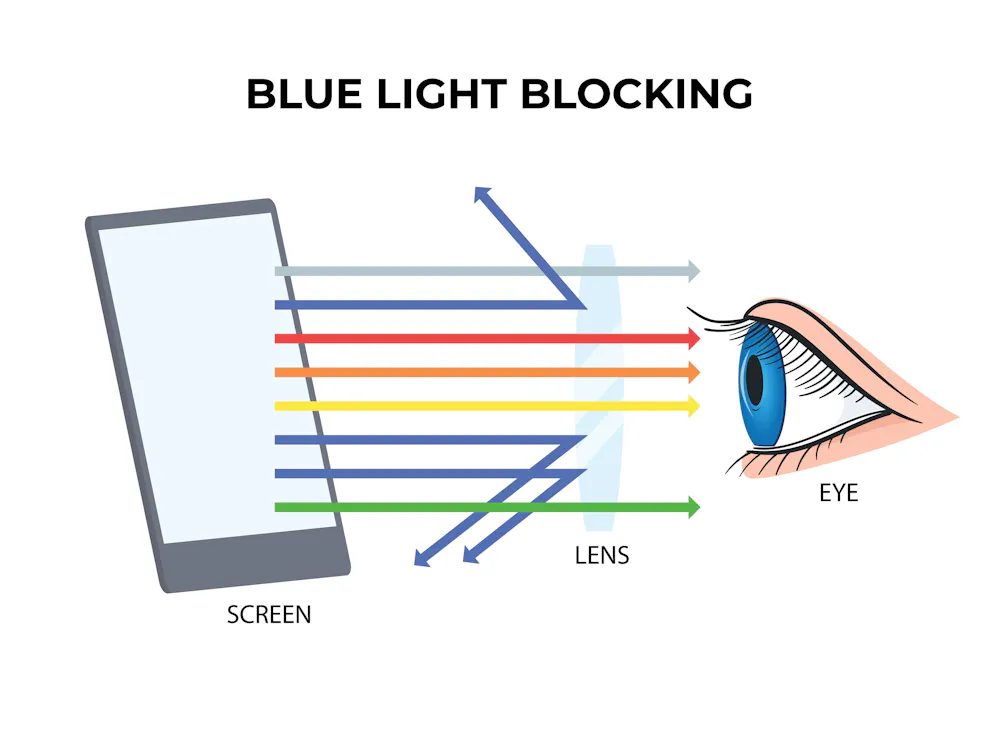
Screens emit blue light. The lenses are designed to reduce the amount of blue light that reaches the eye. Shutterstock
Our research team at the University of Melbourne, along with collaborators from Monash University and City, University London, sought to see if the best available evidence supports using blue light-filtering glasses, or if they could do you any harm. So we conducted a systematic review to bring together and evaluate all the relevant studies.
We included all randomised controlled trials (clinical studies designed to test the effects of interventions) that evaluated blue light-filtering lenses in adults. We identified 17 eligible trials from six countries, involving a total of 619 adults.
Do they reduce eye strain?
We found no benefit of using blue light-filtering lenses, over standard (clear) lenses, to reduce eye strain with computer use.
This conclusion was based on consistent findings from three studies that evaluated effects on eye strain over time periods ranging from two hours to five days.
Do they help you sleep?
Possible effects on sleep were uncertain. Six studies evaluated whether wearing blue-light filtering lenses before bedtime could improve sleep quality, and the findings were mixed.
These studies involved people with a diverse range of medical conditions, including insomnia and bipolar disorder. Healthy adults were not included in the studies. So we do not yet know whether these lenses affect sleep quality in the general population.
"Schedule some “worry time” earlier in the day, so these thoughts don’t happen at night."
— The Conversation - Australia + New Zealand (@ConversationEDU) July 10, 2023
Six ways to stop your racing mind and get the sleep you need 👇@Flinders
https://t.co/wcBlCHHOGN
Do they boost your eye health?
We did not find any clinical evidence to support using blue-light filtering lenses to protect the macula (the region of the retina that controls high-detailed, central vision).
None of the studies evaluated this.
Could they do harm? How about causing headaches?
We could not draw clear conclusions on whether there might be harms from wearing blue light-filtering lenses, compared with standard (non blue-light filtering) lenses.
Some studies described how study participants had headaches, lowered mood and discomfort from wearing the glasses. However, people using glasses with standard lenses reported similar effects.
What about other benefits or harms?
There are some important general considerations when interpreting our findings.
First, most of the studies were for a relatively short period of time, which limited our ability to consider longer-term effects on vision, sleep quality and eye health.
Second, the review evaluated effects in adults. We don’t yet know if the effects are different for children.
Finally, we could not draw conclusions about the possible effects of blue light-filtering lenses on many vision and eye health measures, including colour vision, as the studies did not evaluate these.
In a nutshell
Overall, based on relatively limited published clinical data, our review does not support using blue-light filtering lenses to reduce eye strain with digital device use. It is unclear whether these lenses affect vision quality or sleep, and no conclusions can be drawn about any potential effects on the health of the retina.
High-quality research is needed to answer these questions, as well as whether the effectiveness and safety of these lenses varies in people of different ages and health status.
If you have eye strain, or other eye or vision concerns, discuss this with your optometrist. They can perform a thorough examination of your eye health and vision, and discuss any relevant treatment options.













