


 US, EU Push for Action Against Asia’s Excess Factory Capacity
  Trump Plans Diesel Tax Relief as Fuel Prices Hit Record Highs
  Fairshake Backs 32 Pro-Crypto House Candidates
  Australia Probes Flydubai Co-Pilot’s Links After FZ1073 Hijack Attempt
  Saudi Airport Attacks Kill Three as Yemen Fighting Escalates
  CFTC Moves to Set New Crypto Rules After CLARITY Act Failure
  Berlin Coalition Talks Advance After Left Party Antisemitism Deal
  EU Rejects Italy, Greece Calls for Fiscal Rule Flexibility
  New York Declares Measles Disaster Emergency as Cases Surge
  Mexico Bars Dual Citizens From Presidential Races Starting in 2028
  Florida Seeks Tougher Meta Rules to Protect Young Users
  US Treasury Drops Crypto Wallet Tracking Plan
  Merz Warns of Extremism After AfD Gains Power in Saxony-Anhalt
  Iran Refuses to Halt Uranium Enrichment Amid US Nuclear Demands


 Add as a preferred source on Google
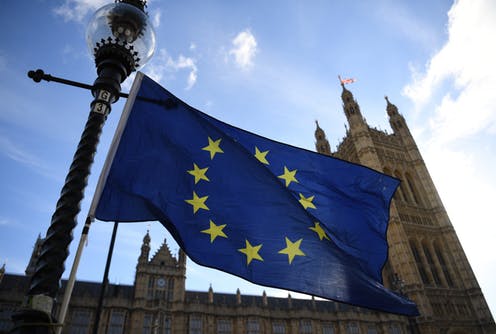
The European Commission has strongly criticized the United States over its decision to impose a visa ban on five European individuals, including former EU Commissioner Thierry Breton, calling the move unjustified and potentially harmful to transatlantic relations. A Commission spokesperson confirmed on Wednesday that the European Union has formally requested clarifications from U.S. authorities regarding the reasons and legal basis for the visa restrictions.
According to the Commission, the U.S. visa ban raises serious concerns about respect for European regulatory autonomy and the principles of cooperation between long-standing allies. The spokesperson emphasized that the EU views the measure as disproportionate and lacking transparency, especially given the high-profile status of the individuals affected and their previous roles in shaping European policy.
The European Commission underlined that it remains committed to constructive dialogue with Washington and hopes the issue can be resolved through diplomatic engagement. However, officials made it clear that the EU is prepared to act if discussions fail to produce a satisfactory explanation. “If needed, we will respond swiftly and decisively to defend our regulatory autonomy against unjustified measures,” the spokesperson stated, signaling that potential countermeasures are not off the table.
The inclusion of Thierry Breton, a former European commissioner known for his role in shaping EU digital and industrial policy, has drawn particular attention. Analysts suggest the visa ban could be linked to broader tensions between the EU and the U.S. over regulation of technology companies, digital markets, and strategic industries. While no official justification has been made public by U.S. authorities, the lack of clarity has fueled speculation and concern across European institutions.
This development comes at a sensitive time for EU-U.S. relations, as both sides continue to cooperate on issues such as trade, security, and global economic stability. European officials stress that unilateral actions like visa bans risk undermining trust and collaboration.
The European Commission reiterated its expectation that partners respect mutual legal frameworks and political independence. As the situation evolves, the EU’s response will likely play a key role in shaping the next phase of transatlantic relations, with close attention from policymakers, businesses, and international observers alike.







