


 France Keeps Top Health Alert as Officials Brace for Another Heatwave
  Deutsche Bank Fined A$2 Million by ASIC Over OTC Derivatives Reporting Errors
  TSMC Q2 Revenue Surges 36% as AI Chip Demand Powers Growth Ahead of Earnings
  Fast Retailing Raises Full-Year Forecast After Uniqlo Owner Beats Q3 Profit Estimates
  Nvidia Tightens AI Chip Sales in Asia With Stricter Customer Approval Process
  Samsung Chairman Lee Jae-yong Expected to Meet Nvidia CEO Jensen Huang on AI and Chip Partnership
  OpenAI Executive Fidji Simo to Step Down Amid Health Challenges Ahead of IPO
  Hantavirus Cruise Ship Outbreak Triggers Global Health Alert
  SK Hynix Shares Drop After Strong Nasdaq Debut Despite $26 Billion ADR Listing
  Alcohol is one of the most dangerous drugs, yet its presence is ubiquitous in social settings and celebrations
  Trump Reportedly Approves Plan to Remove FDA Commissioner Marty Makary Amid Growing Controversies
  SoftBank Corp Partners With Sierra to Expand AI Customer Support Across Japan
  Mastercard Explores Sale of Majority Stake in UK Payments Firm Vocalink: Report
  CDC Expands Ebola Screening Efforts at U.S. Entry Points Amid Congo and Uganda Outbreak
  Should I take zinc or eat oysters to ward off colds, boost my immune system or improve fertility?
  Kitron Q2 Revenue Beats Estimates as Defense Demand Lifts Growth


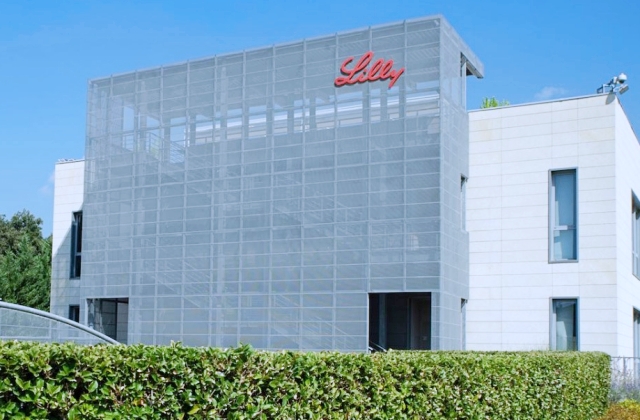
Eli Lilly has officially entered the elite $1 trillion market-value club, becoming the first pharmaceutical company to reach this milestone. The company’s extraordinary rise is fueled largely by explosive global demand for weight-loss and diabetes treatments, a sector that has rapidly transformed into one of healthcare’s most lucrative markets.
Lilly’s stock has surged more than 35% this year thanks to the success of its blockbuster drug tirzepatide, sold as Mounjaro for type 2 diabetes and Zepbound for obesity. In a remarkable shift, sales of these medicines have even surpassed Merck’s Keytruda, making tirzepatide the world’s best-selling drug. Mounjaro and Zepbound have also helped Lilly overtake longtime rival Novo Nordisk, which initially dominated the obesity-drug landscape. Novo’s Wegovy faced early supply shortages after its 2021 launch, giving Lilly crucial momentum. Stronger clinical results and faster manufacturing expansion further accelerated Lilly’s lead.
Shares briefly hit an all-time high near $1,051, and the stock now trades at a premium valuation—about 50 times expected earnings—reflecting investor confidence in long-term demand for GLP-1 treatments. Since Zepbound’s late-2023 debut, Lilly’s market performance has far outpaced the broader S&P 500, climbing more than 75%.
In the latest quarter, Lilly reported over $10 billion in combined obesity and diabetes drug revenue, representing more than half of its total $17.6 billion sales. Analysts say the company’s pipeline, pricing agreements with the U.S. government, and major domestic manufacturing investments position Lilly for continued dominance, even if near-term revenue faces pressure.
Wall Street projects the global weight-loss drug market could reach $150 billion by 2030, with Lilly poised to control a large share—especially as investors anticipate approval of its promising oral drug, orforglipron, next year.
Still, analysts caution that sustaining growth will require navigating price pressure, scaling production, and maintaining a strong pipeline. Even so, many now view Lilly as a potential alternative to tech-sector giants, especially as some AI stocks experience volatility.







