


 OpenAI Executive Shake-Up Ahead of Anticipated 2026 IPO
  Chinese Universities with PLA Ties Found Purchasing Restricted U.S. AI Chips Through Super Micro Servers
  SoftwareONE Posts 22.5% Revenue Surge in 2025 on Crayon Acquisition
  Meta Ties Executive Pay to Aggressive Stock Price Targets in Major Retention Push
  SpaceX IPO Filing Expected This Week as Valuation Could Surpass $75 Billion
  CTOC Adds 3,000 Doctors, 500 Hospitals Ahead of Liquidity Push
  TSMC Japan's Second Fab to Produce 3nm Chips by 2028
  Rubio Directs U.S. Diplomats to Use X and Military Psyops to Counter Foreign Propaganda
  Japan's Services Sector Growth Slows in March Amid Rising Middle East Tensions
  SMIC Allegedly Supplies Chipmaking Tools to Iran's Military, U.S. Officials Warn
  Ukrainian Drones and the #MadeByHousewives Movement: Kyiv Fires Back at Rheinmetall CEO
  Trump Claims Iran Sought Ceasefire as Middle East War Escalates
  Trump Threatens Escalation Against Iran, Warns of Infrastructure Strikes
  Trump's Iran War Speech Sparks Market Anxiety Over Extended Conflict
  U.S. Stock Futures Stabilize Ahead of Good Friday as Investors Eye Jobs Report
  Cybersecurity Stocks Tumble After Anthropic's Claude Mythos AI Leak Sparks Market Fears
  NASA's Artemis II Mission: First Crewed Lunar Journey Since Apollo


After exiting a $19.5 billion joint venture with Vedanta, Foxconn revealed intentions to utilize India's $10 billion Modified Programme for Semiconductors and Display Fab Ecosystem, aiming to establish a thriving semiconductor manufacturing scene, a major blow to Prime Minister Narendra Modi's ambitions.
The multinational electronics manufacturer, acknowledged as the world's largest in its field, disclosed on Tuesday its efforts to apply for benefits under India's Modified Programme for Semiconductors and Display Fab Ecosystem. This $10 billion initiative offers incentives of up to 50% of capital costs for semiconductor and display manufacturing projects.
Foxconn has been actively assessing potential partners and remains committed to India's vision of establishing a thriving semiconductor manufacturing ecosystem. Despite the setback caused by the Vedanta breakup, the company plans to forge new alliances on its journey forward. Prime Minister Modi, who has placed great importance on chipmaking as a catalyst for a "new era" in electronic manufacturing, previously applauded the joint venture as a significant development.
Confidential sources reveal that Foxconn is currently discussing with various local and international entities, exploring the possibility of manufacturing semiconductors in India. These discussions focus on mature chip manufacturing technology and encompass a range of products, including electric vehicles (EVs). It is worth noting that the identity of these partners remains undisclosed.
Despite the dissolution of the partnership, Vedanta remains fully committed to its semiconductor project and has secured alternative partners to develop India's first foundry. The company has expressed unwavering determination to realize Modi's vision.
Sources familiar with the matter cited concerns about the delay in the approval of incentives by the Indian government as one of the contributing factors behind Foxconn's withdrawal. The government in New Delhi raised questions regarding the cost estimates submitted to seek incentives. These factors collectively led to Foxconn's exit from the venture.
Chipmaking is paramount to India's economic strategy, and Modi has endeavored to attract foreign investors to establish local chip production facilities for the first time. While India is a late entrant to the global chip manufacturing landscape, this ambitious project aimed to transform the country's electronics manufacturing industry. According to industry projections, India's semiconductor market is expected to reach $63 billion by 2026.
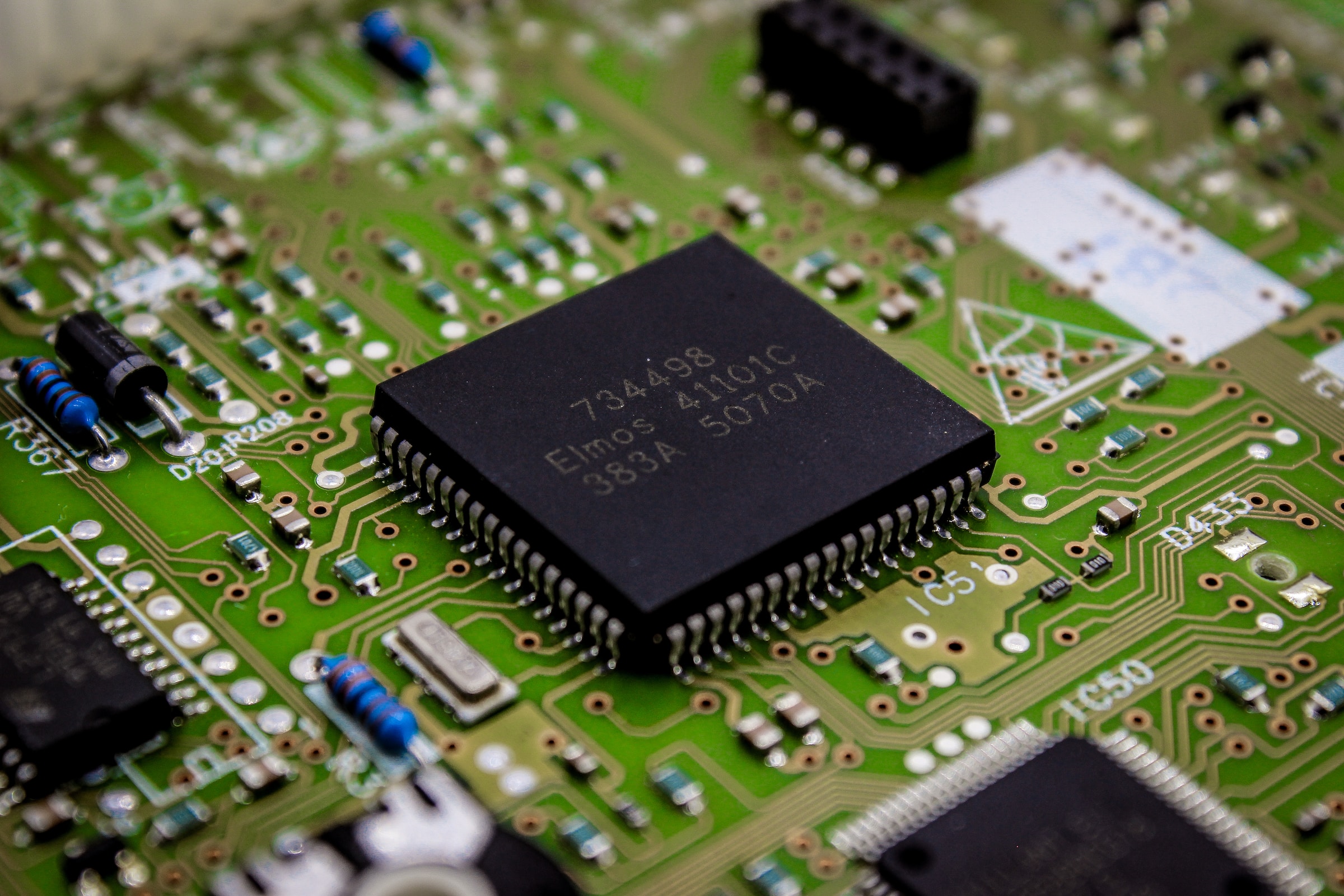
Photo: Bermix Studio/Unsplash







