


 GSK Reportedly Nears $9 Billion Acquisition of Cancer Drug Developer Nuvalent
  Supreme Court Blocks 5th Circuit Ruling on Abortion Pill Access
  Morgan Stanley Says China’s Reusable Rocket Progress Poses Long-Term Challenge to SpaceX
  OpenAI Executive Fidji Simo to Step Down Amid Health Challenges Ahead of IPO
  Mastercard Explores Sale of Majority Stake in UK Payments Firm Vocalink: Report
  Stellantis Q2 Vehicle Shipments Rise 10% as North America Drives Growth
  RFK Jr. Spokesman Resigns Over Trump Administration’s Flavored E-Cigarette Policy
  UNAIDS Urges U.S. to Reconsider South Africa HIV Funding Withdrawal
  CDC Monitors U.S. Travelers After Hantavirus Outbreak on Luxury Cruise Ship
  US Plans Kenya Ebola Quarantine Facility Amid Congo Outbreak
  SK Hynix Prices Record U.S. ADR Offering at $149 After $200 Billion Investor Demand
  Levi Strauss Raises 2026 Outlook After Q2 Earnings Beat, Shares Drop Despite Strong Results
  Novo Nordisk Raises 2026 Outlook on Strong Wegovy Demand
  UBS Starts CarTrade Tech With Buy Rating, Sees Strong Earnings Growth and ₹4,000 Target
  Deutsche Bank Fined A$2 Million by ASIC Over OTC Derivatives Reporting Errors
  RFK Jr. Orders Extended Hantavirus Quarantine for Cruise Passenger


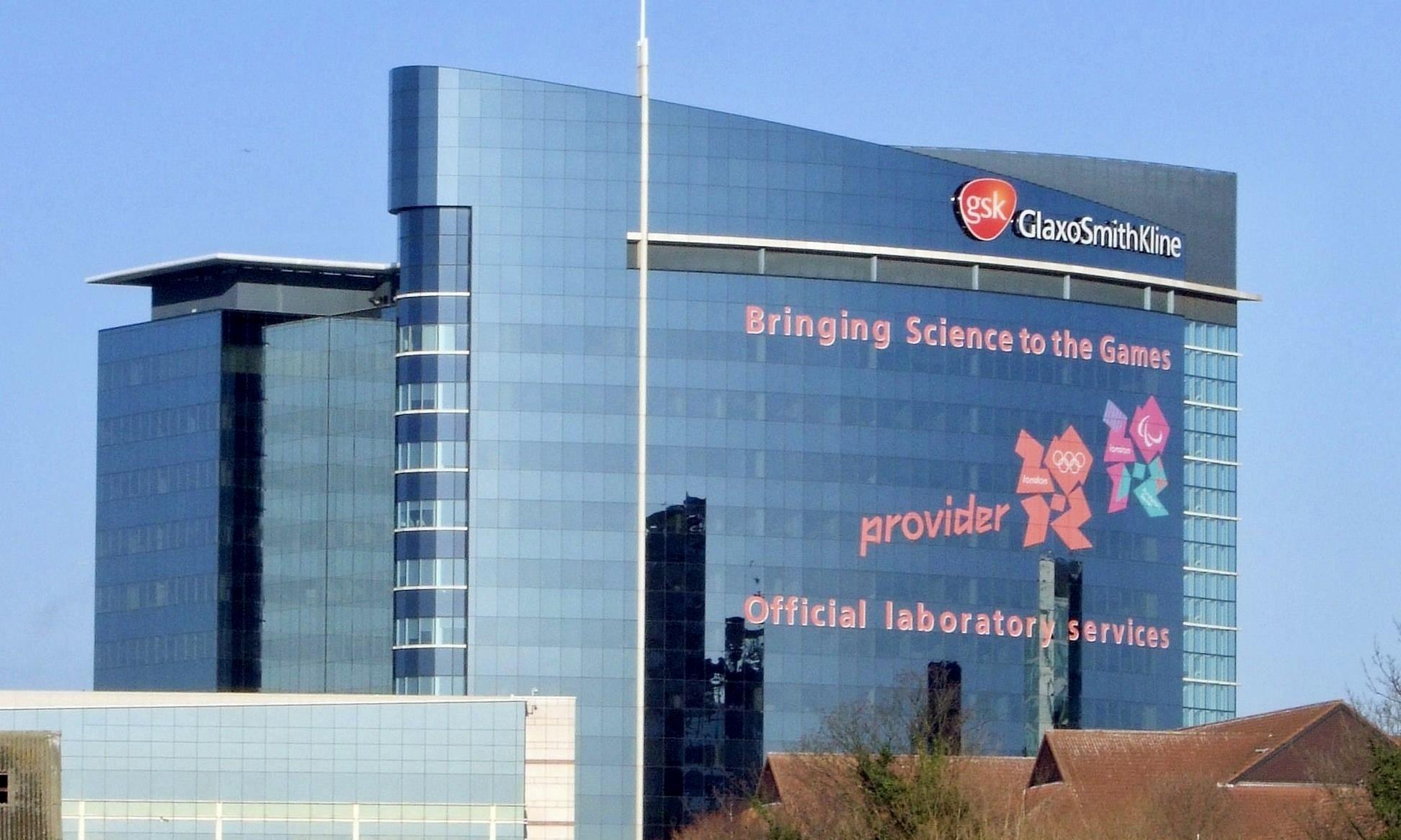
GlaxoSmithKline (GSK) and Eli Lilly are making major U.S. manufacturing commitments as global pharmaceutical companies expand domestic operations in response to possible tariffs on imported medicines. According to The Wall Street Journal, more than a dozen drugmakers have pledged over $350 billion in U.S. investments this decade to strengthen local supply chains and reduce tariff risks.
GSK (LON:GSK) revealed plans to spend $30 billion in the United States over the next five years, focusing on research, supply-chain infrastructure, and new production facilities. The investment includes $1.2 billion for a new factory near Philadelphia dedicated to developing treatments for respiratory illnesses and cancer. The move positions GSK to boost U.S. drug production while creating new jobs in the biopharma sector.
Meanwhile, Eli Lilly (NYSE:LLY) announced a $5 billion investment to build a state-of-the-art plant near Richmond, Virginia. The facility will specialize in manufacturing monoclonal antibodies and bioconjugates, critical therapies in oncology and immunology. Once operational, the plant is expected to employ approximately 650 workers, enhancing Lilly’s domestic manufacturing footprint and supporting innovation in biologic medicines.
The surge in U.S. pharmaceutical investments comes as the Trump administration considers imposing tariffs on imported drugs, with rates potentially climbing to 250% within 18 months. Such measures could significantly impact global supply chains, pushing companies to accelerate onshore production strategies.
By committing billions to U.S. manufacturing, GSK and Eli Lilly join a broader trend of pharmaceutical giants prioritizing local capacity. These investments are expected to safeguard supply resilience, stimulate job creation, and position drugmakers to better navigate policy changes affecting the global pharmaceutical market.







