


 Blue Origin New Glenn Rocket Explodes During Launch Pad Test, Delaying Space Ambitions
  Blue Origin’s New Glenn Achieves Breakthrough Success With First NASA Mission
  SpaceX’s Starship Completes 11th Test Flight, Paving Way for Moon and Mars Missions
  Neuralink Expands Brain Implant Trials with 12 Global Patients
  Trump and Merck KGaA Partner to Slash IVF Drug Costs and Expand Fertility Coverage
  Trump Signs Executive Order to Boost AI Research in Childhood Cancer
  NASA's Artemis II Crew Arrives in Florida for Historic Moon Mission
  Trump Administration Releases New UFO Files and Apollo Mission Records
  SpaceX Delays Starship V3 Launch Ahead of Potential Record IPO
  SpaceX Pivots Toward Moon City as Musk Reframes Long-Term Space Vision
  China vs. NASA: The New Moon Race and What's at Stake by 2030
  SpaceX Prioritizes Moon Mission Before Mars as Starship Development Accelerates


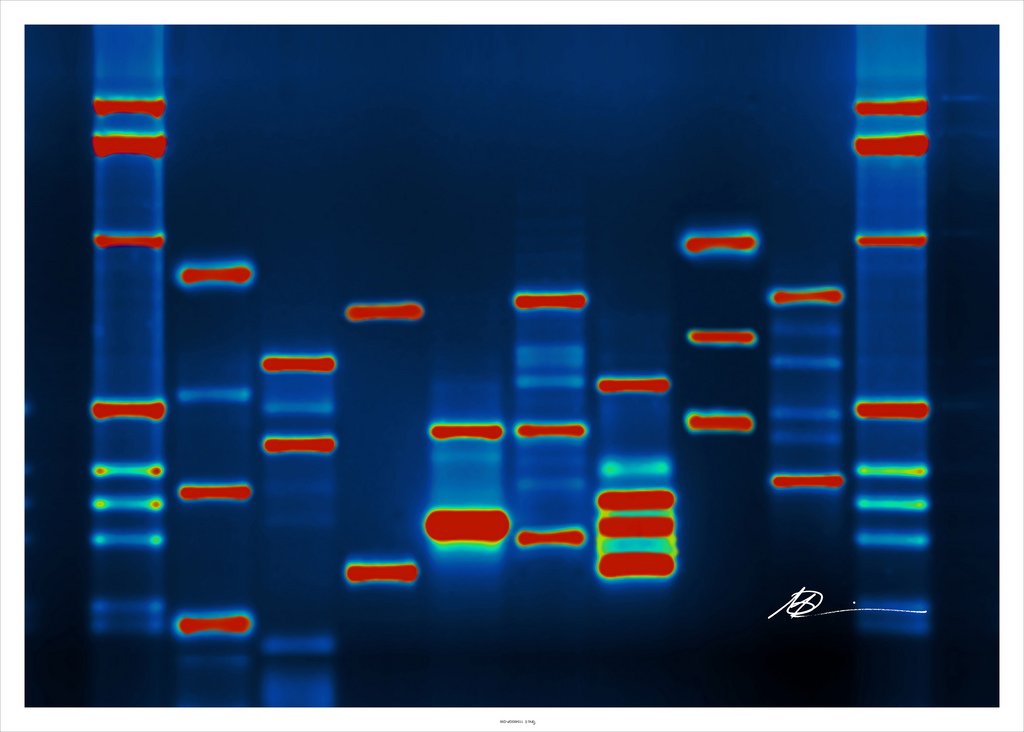
Scientists and engineers have been pushing the digital frontier for decades and they have just pushed the boundaries towards new territory. Encoding a malware in DNA, scientists were able to infect computers that tried to read the genome. This could prove incredibly helpful in advancing digital storage or it could cause havoc amongst police computer systems.
The idea that data can be stored in DNA has been in circulating the scientific community for months, but applying the idea in a frankly destructive way does put a spotlight on the concept. This is exactly what a team of researchers did when they infected a DNA strand with a malicious software, which then went on to infect a computer, TechCrunch reports.
It’s worth noting that the scientists did this intentionally and in a controlled environment. If it wasn’t so disturbing, it would actually be quite hilarious. Unfortunately, it is disturbing and the implications are both terrifying and fascinating at the same time.
The science team in question are made up of researchers from the University of Washington and the reason for why they decided to conduct such an outrageous experiment is to actually improve security. It’s just a fact now that several laboratories all over the world are looking into the prospect of turning DNA into a storage unit. The problem is that in many of these cases, the transcription and analysis security is just not up to snuff.
There’s also the danger of criminal organizations being able to figure out that they can encode malware in DNA, regardless of how minute the possibility is. An infected DNA material could do some serious damage to CSI or other investigative branches of governments once they start analyzing the strands, ZDNet reports.
After all, DNA sequencing and analysis is standard practice in trying to identify suspects or victims. If a group of individuals had enough incentives and the resources, destroying entire networks of police computers would certainly be possible now.







