


 Indian Refiners Scale Back Russian Oil Imports as U.S.-India Trade Deal Advances
  Trump Backs Nexstar–Tegna Merger Amid Shifting U.S. Media Landscape
  Australian Household Spending Dips in December as RBA Tightens Policy
  Lee Seung-heon Signals Caution on Rate Hikes, Supports Higher Property Taxes to Cool Korea’s Housing Market
  Trump Lifts 25% Tariff on Indian Goods in Strategic U.S.–India Trade and Energy Deal
  Russian Stocks End Mixed as MOEX Index Closes Flat Amid Commodity Strength
  Oil Prices Slip as U.S.-Iran Talks Ease Middle East Tensions
  Trump’s Inflation Claims Clash With Voters’ Cost-of-Living Reality
  RBI Holds Repo Rate at 5.25% as India’s Growth Outlook Strengthens After U.S. Trade Deal
  Trump Signs Executive Order Threatening 25% Tariffs on Countries Trading With Iran
  Nvidia, ByteDance, and the U.S.-China AI Chip Standoff Over H200 Exports
  Washington Post Publisher Will Lewis Steps Down After Layoffs
  Gold and Silver Prices Rebound After Volatile Week Triggered by Fed Nomination
  Dollar Near Two-Week High as Stock Rout, AI Concerns and Global Events Drive Market Volatility
  Global Markets Slide as AI, Crypto, and Precious Metals Face Heightened Volatility
  Japan Economy Poised for Q4 2025 Growth as Investment and Consumption Hold Firm
  Nikkei 225 Hits Record High Above 56,000 After Japan Election Boosts Market Confidence


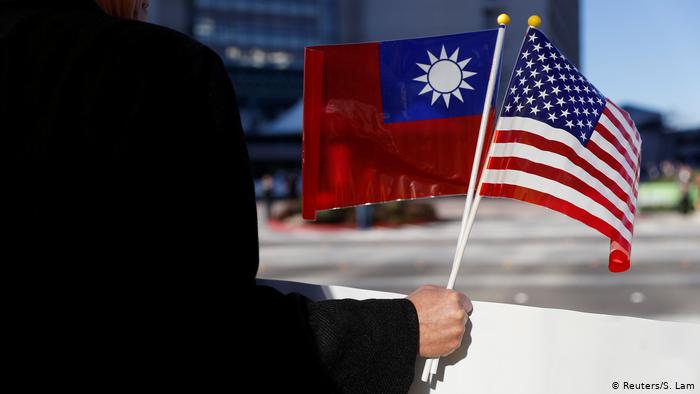
Taiwan's chip firms will adhere to new US rules blacklisting seven China supercomputing entities, according to Economy Minister Wang Mei-hua.
Whether producers or exporters, Wang said Taiwanese firms must accord with its national rules while paying attention and according to key criteria of the US rules.
The policy prompted a Taipei-based Alchip Technologies Ltd to halt orders from one of the entities on the list, Tianjin Phytium Information Technology.
Alchip got 39 percent of its revenue last year came from Phytium.
According to the US Commerce Department, the seven Chinese entities were involved with building supercomputers utilized by China’s military actors, its destabilizing military modernization efforts, and/or weapons of mass destruction programs.
Those on the US Entity List face tough scrutiny when they apply for licenses from the Commerce Department to receive items from US suppliers.
Taiwan’s firms are major suppliers of semiconductors globally.
There is rising tension between the US and China over Taiwan amid a global semiconductor shortage that has thrust Taiwan into the supply-chain centerstage.
Alchi is now collecting “detailed documents for their US counsel to ascertain if the products are subject to Export Administration Regulations.
A permit from the US Bureau of Industry and Security will be obtained for Phytium if necessary.
It was also reported by Hong Kong’s South China Morning Post that Taiwan Semiconductor Manufacturing Company Co Ltd (TSMC) has suspended new orders from Phytium.
.













