


 Weight-Loss Drug Ads Take Over the Super Bowl as Pharma Embraces Direct-to-Consumer Marketing
  Elon Musk’s Empire: SpaceX, Tesla, and xAI Merger Talks Spark Investor Debate
  SpaceX Updates Starlink Privacy Policy to Allow AI Training as xAI Merger Talks and IPO Loom
  Palantir Stock Jumps After Strong Q4 Earnings Beat and Upbeat 2026 Revenue Forecast
  Sam Altman Reaffirms OpenAI’s Long-Term Commitment to NVIDIA Amid Chip Report
  Rio Tinto Shares Hit Record High After Ending Glencore Merger Talks
  Nasdaq Proposes Fast-Track Rule to Accelerate Index Inclusion for Major New Listings
  Nintendo Shares Slide After Earnings Miss Raises Switch 2 Margin Concerns
  Global PC Makers Eye Chinese Memory Chip Suppliers Amid Ongoing Supply Crunch
  Hims & Hers Halts Compounded Semaglutide Pill After FDA Warning
  Nvidia Nears $20 Billion OpenAI Investment as AI Funding Race Intensifies
  SoftBank and Intel Partner to Develop Next-Generation Memory Chips for AI Data Centers
  Amazon Stock Rebounds After Earnings as $200B Capex Plan Sparks AI Spending Debate
  Baidu Approves $5 Billion Share Buyback and Plans First-Ever Dividend in 2026
  Washington Post Publisher Will Lewis Steps Down After Layoffs
  Elon Musk’s SpaceX Acquires xAI in Historic Deal Uniting Space and Artificial Intelligence
  Nvidia CEO Jensen Huang Says AI Investment Boom Is Just Beginning as NVDA Shares Surge


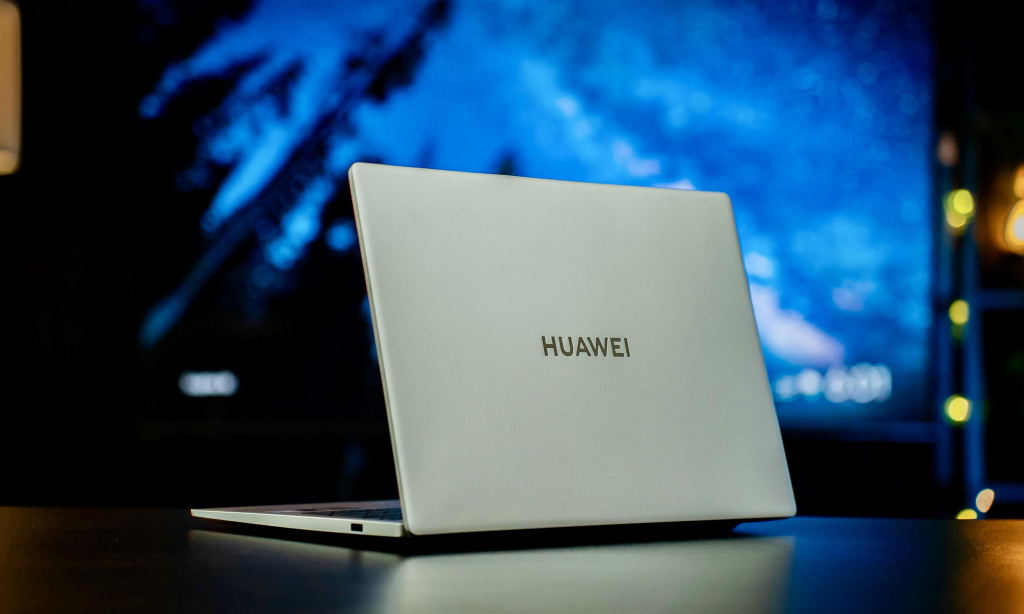
Huawei's bold move to adopt a unified architecture for its Kirin PC chips could challenge Apple's M-Series, integrating SoC and DRAM for unmatched performance.
Unified Memory Architecture Explained
With the integration of the system on chip (SoC) and dynamic random access memory (DRAM) into a single package, rumors suggest that Huawei will use this architecture in its Kirin PC chip. We have covered the benefits of this adjustment below, so keep reading to discover out.
Various components of a conventional CPU package are soldered to various parts of the motherboard. The system on a chip (SoC) and dynamic random access memory (DRAM) are integrated into one die in a unified memory architecture, which greatly improves the speed of communication between the two components.
Benefits of Closer Integration
Data transfer times and power consumption are both affected by the proximity of DRAM chips to the central processing unit and graphics processing unit.
The first Kirin PC chip from Huawei will introduce itself to remove this bottleneck, according to a rumor posted on X by @jasonwill101.
The proximity of the DRAM to the SoC in a unified memory architecture also provides high bandwidth to the chipset, which is an additional perk of this design.
This will enable the Central Processing Unit, Graphics Processing Unit, and Neural Processing Unit to swiftly access large data sets. Machines equipped with these chips may also never experience a memory leak while doing operations that necessitate coordinated processing by the CPU and GPU, thanks to this method.
There is no physical means to upgrade the DRAM chips since they are baked onto the packaging, which is the major downside.
Rivaling Apple’s M-Series Performance
Rumor has it that Huawei's first Kirin PC chip will have remarkable first performance claims, nearly matching Apple's M3 in multi-core capabilities. However, it doesn't say how many memory tiers the chip would have.













